The project by YPF, Eni, and XRG applied to join RIGI while preparing a final investment decision expected by the end of 2026.
Argentina LNG took a new step in its development after submitting the application to join the Large Investment Incentive Regime (RIGI). The project by YPF, Eni, and XRG contemplates a cumulative investment of US$51 billion and seeks to convert Vaca Muerta gas into a new source of LNG exports from South America.
The initiative progresses as its partners work towards a Final Investment Decision (FID) expected by the end of 2026. If materialized as projected, Argentina LNG will develop an integrated chain covering gas production, processing, transportation, and subsequent liquefaction to supply international markets.
Argentina LNG Seeks RIGI Support Before FID
Specifically, joining RIGI would allow the project to operate under a long-term framework of legal, fiscal, customs, and exchange rate stability. These conditions are relevant for energy infrastructure that requires large volumes of capital and financing over several years.
Likewise, the application makes Argentina LNG the largest investment project submitted to date under this regime.
YPF considers that the initiative could become the largest private investment in the country’s history. The company is working with Italy’s Eni and Abu Dhabi-based energy company XRG to develop the export platform.
The three partners signed a binding joint development agreement in February to advance the project’s engineering, financing, and commercialization work.
Subsequently, Eni and XRG agreed to acquire stakes in the upstream company that owns gas areas designated for Argentina LNG. Under the announced scheme and subject to relevant approvals, YPF would retain 36% while Eni and XRG would each hold 32%.
Two FLNG Units to Process Vaca Muerta Gas
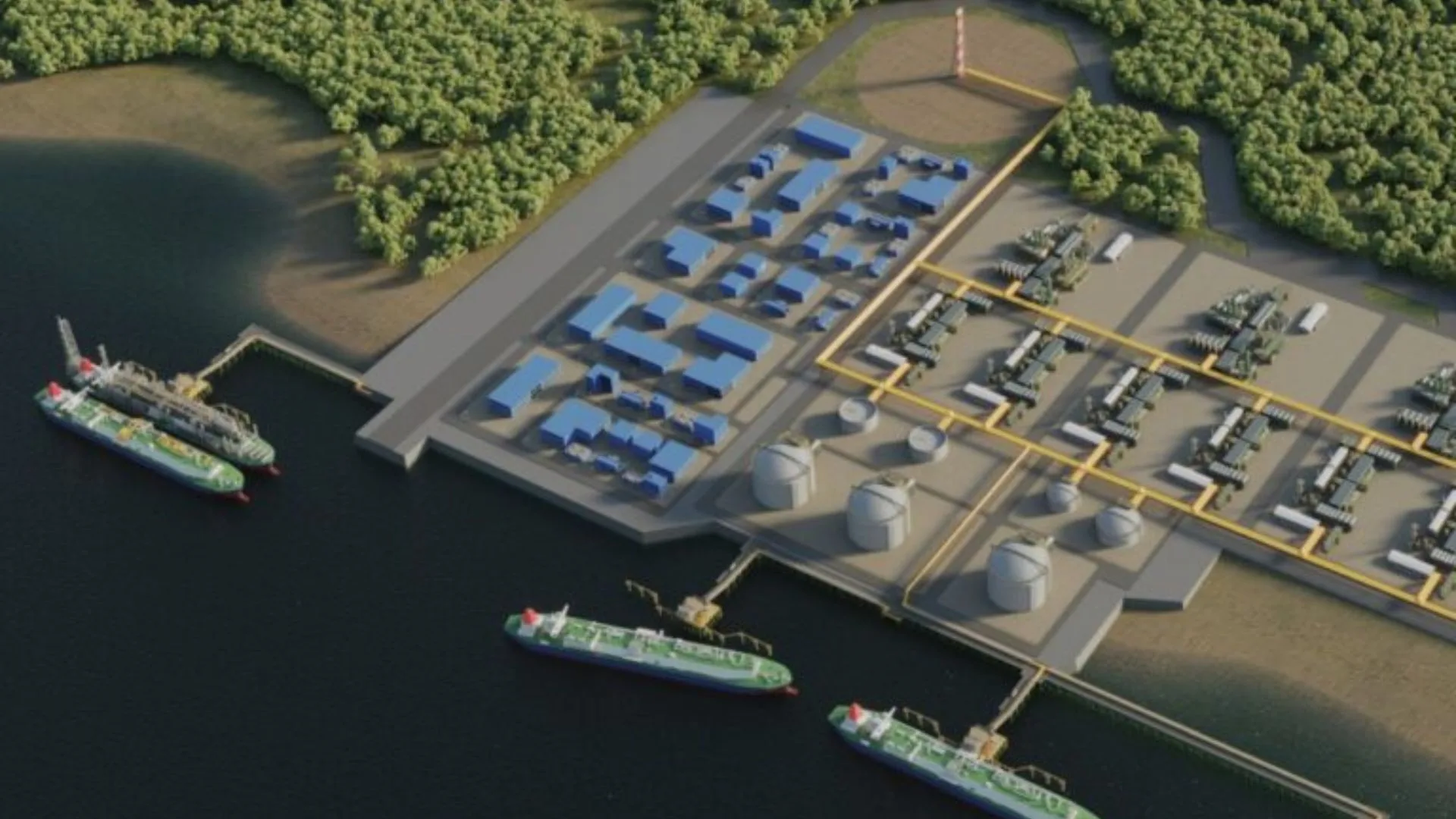
The design of Argentina LNG contemplates a value chain that begins with gas production in Neuquén. This will be complemented by dedicated transport infrastructure, processing plants, and systems for liquid fractionation.
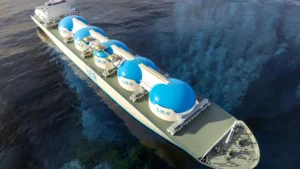
The gas will finally reach two floating liquefaction (FLNG) units planned off the coast of Río Negro province, in the San Matías Gulf.
Both facilities will have a combined capacity of 12 million tons of LNG per year. This infrastructure will enable the transformation of natural gas from Vaca Muerta into a product suitable for maritime transport to international buyers.
Furthermore, the project’s magnitude implies developing wells capable of maintaining the necessary supply for the two liquefaction units to operate at full capacity.
US$29 Billion Investment Until 2031
Argentina LNG expects to mobilize approximately US$29 billion until 2031, the year when operations of the two FLNG units are scheduled to begin.
Of this amount, approximately US$24 billion would be allocated to strategic infrastructure. The program includes industrial facilities, dedicated gas pipelines, port infrastructure, and the floating units themselves.
Another US$5 billion would be allocated to upstream development and the drilling of wells necessary to supply the liquefaction capacity.
Construction is planned between 2026 and 2030, so the investment decision expected by the end of this year will be crucial for establishing the definitive development timeline.
LNG Exports Could Generate US$10 Billion Annually
Moreover, YPF estimates that Argentina LNG could generate around US$10 billion annually in export revenues for two decades.
This flow would make the project a significant source of foreign currency for Argentina and expand Vaca Muerta’s role within the international natural gas market.
The impact would also extend to the national supply chain. Estimates released by YPF place purchases of goods and services linked to the development at around US$15 billion.
During construction, a strong demand for workers is anticipated, while approximately 8,000 annual jobs could be sustained during the commissioning and operational stages.
With the RIGI application already submitted, attention now shifts to Argentina LNG’s FID. Its approval would pave the way for the execution of a platform designed to bring Vaca Muerta gas to global markets via a new South American LNG export route.
Source: Offshore Energy
Photo: YPF