Natural gas in Venezuela, the development of the Loran field is gaining prominence, where BP will work alongside XRG of the United Arab Emirates and UCC of Qatar to advance an offshore project with regional reach. The initiative brings capital from the Persian Gulf into Venezuela’s energy sector and seeks to leverage resources located near the maritime border with Trinidad and Tobago, a strategic market due to its processing, petrochemical, and liquefaction infrastructure.
Natural gas in Venezuela attracts Gulf investment
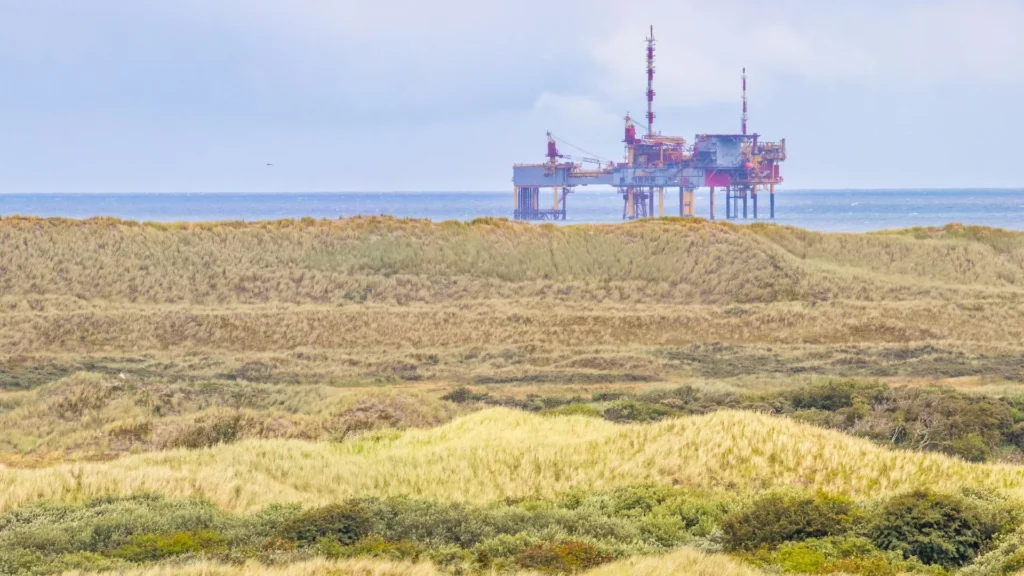
Natural gas it is the cornerstone of the new energy agreement that incorporates BP, XRG and UCC Oil and Gas Holding into offshore development, campo Loran, located near the maritime border between Venezuela and Trinidad and Tobago.
In this way, XRG, the international energy investment arm linked to ADNOC of the United Arab Emirates, enters the Venezuelan market together with the Qatari company UCC. Both will participate with BP in the development of the second phase of the project.
The agreement paves the way for the exploration, development, and exploitation of gas resources in a strategic area of the Venezuelan Delta. AP notes that the field comprises seven non-associated gas deposits and that PDVSA It estimates its reserves at about 7.5 trillion cubic feet.
XRG, for its part, reported a license related to resources exceeding 4 trillion cubic feet of gas, the company’s participation is subject to definitive development agreements, government and regulatory approvals, and compliance with applicable international sanctions.
BP will lead the Loran field gas project
Specifically, BP will play a central role in the development of the Loran field meanwhile, XRG and UCC will bring a new presence of capital from the Persian Gulf to the Venezuelan energy sector.
The project is being developed in an area with transboundary resources, a large part of the deposits are located near the line that separates the waters of Venezuela and Trinidad and Tobago, which adds a regional dimension to the exploitation of the gas.
Furthermore, the development of Loran could help supply industrial facilities in Trinidad and Tobago. These include Atlantic LNG and several petrochemical and fertilizer plants that have faced gas supply constraints for years.
This connection makes the project a relevant piece for the Caribbean gas infrastructure, the potential Venezuelan supply could offer a new source of raw material for existing processing and liquefaction facilities in Trinidad.
Venezuela seeks to increase its natural gas production
Furthermore, the agreement is part of a Venezuelan strategy to attract foreign investment to the industry of the hydrocarbons and increase the exploitation of its resources.
Interim President Delcy Rodríguez emphasized during the signing the goal of boosting the country’s gas production. The government also aims for the development of this resource to support the petrochemical industry and other industrial activities.
This progress comes after changes to the hydrocarbons framework that expanded opportunities for private and foreign participation. At the same time, the United States began to ease some restrictions on energy operations related.
BP had already signed a memorandum of understanding in April 2026 to explore opportunities in the Delta region. Subsequently, Shell received a license related to the first phase of exploration in the same field.
XRG expands its international presence in gas projects
For XRG, the entry into expands an international portfolio increasingly focused on the gas business and the LNG the company maintains interests in projects in the United States, Argentina, Egypt, Azerbaijan, Turkmenistan, and Mozambique.
Furthermore, the company has sought to expand its presence in Latin America; among its recent moves is its participation in initiatives related to Argentine LNG and resources Vaca Muerta.
With the campo Loran is now incorporating capital from the United Arab Emirates and Qatar into one of its main offshore gas developments. Progress on Phase II will still depend on obtaining the necessary permits and reaching the technical and regulatory agreements required to bring the resources into production.
Source: EnergyNow
Photo: Shutterstock