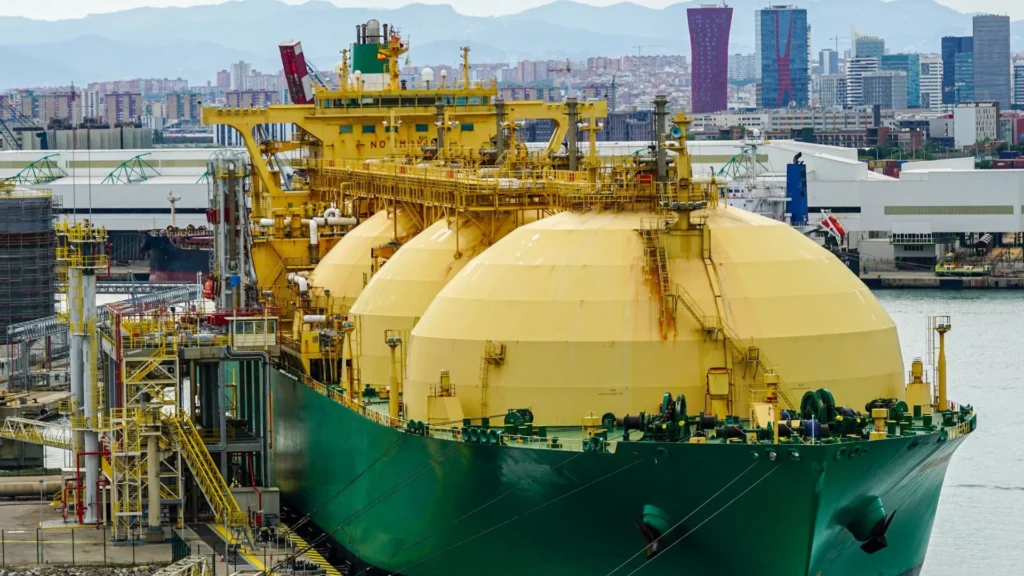
Pressure for LNG this is the scenario that is beginning to shape the European energy market, given exceptionally low gas reserves and growing competition with Asia for available shipments.
Europe enters autumn with less gas in storage
Europe is heading into winter with gas reserves among the lowest recorded for this time of year in almost two decades. This situation increases the pressure on European buyers just as the global market for liquefied natural gas it is going through a period of more limited supply.
Currently, the European Union’s storage facilities are operating at approximately 66 % of their capacity, this figure is significantly below the five-year average, which has been above 80 %.
Furthermore, Europe would have to purchase more than US$ 8.1 billion worth of gas at current prices to even reach a 75 % storage level. That percentage represents the minimum target considered in the calculations cited by Bloomberg.
Qatar’s LNG supply adds pressure to the market
On the other hand, the availability of LNG from the Middle East has been reduced due to disruptions related to Strait of Hormuz Qatar occupies a relevant position within the global trade of liquefied natural gas, so any prolonged limitation of its shipments directly affects the available supply.
The lower availability coincides with high European demand to rebuild inventories before December, this was compounded by increased electricity consumption during the summer heat waves, a factor that limited the market’s ability to replenish reserves more quickly.
As a result, European benchmark gas prices reached levels not seen in around three and a half years, the structure of futures contracts has also hampered storage, as spot contracts have traded above those with later expirations.
The pressure for LNG pits Europe against Asia
Meanwhile, competition between Europe and Asia is gaining momentum in the international LNG market. For several months, Asian buyers have offered better terms for spot shipments, making it more difficult for Europeans to access some of the available supply.
Now, profit margins favor shipping to a greater extent LNG spot to Europe however, that advantage could change rapidly as autumn progresses and heating demand increases in the northern hemisphere.
ING analysts Warren Patterson and Ewa Manthey believe that the rivalry between the two regions could intensify if Qatari LNG maintains a reduced presence in the market until the end of the year.
A cold winter would increase the risk to the supply
Weather conditions will also be crucial, a colder-than-usual winter could accelerate the depletion of European reserves and further increase demand for available cargoes. Go Katayama, senior LNG analyst at Kpler, warned of the possibility of increased global competition for fuel if temperatures drop significantly.
In this scenario, Europe needs to increase its inventories while maintaining sufficient flexibility to respond to periods of high demand, the ability to attract LNG shipments will depend on European prices relative to Asian markets and on the evolution of energy transit through the Middle East. For now, European gas storage remains a key variable to monitor for the energy market. With reservoirs at 66 % capacity and a tighter international supply, purchases in the coming weeks will be crucial in determining the safety margin available before winter.
Source: Oil Price
Photo: Shutterstock