Pakistan rejected the bids received in an urgent tender to purchase two cargoes of liquefied natural gas (LNG), a sign of the strong impact that high international prices are having on the country’s energy system.
The process, launched to secure deliveries by the end of the month, received seven bids from international companies such as BP, Vitol, TotalEnergies, SOCAR Trading, OQ Trading, and PetroChina. However, none reached a price level considered acceptable by the Pakistani authorities.
The lowest bid was submitted by TotalEnergies at $16.98 per million British thermal units (MMBTU), while the highest reached $18.58 per MMBTU.
Rejection of LNG offers worsens Pakistan’s energy crisis
For years, Pakistan relied on long-term LNG supply contracts from Qatar, a strategy that helped keep costs relatively stable amid its economic difficulties.
However, the disruption of exports from the Middle East altered that arrangement. Regional tensions and impacts on energy shipping routes forced the country to seek cargoes in the Asian spot market, where prices have risen considerably.
Likewise, the situation in the Strait of Hormuz further increased uncertainty over global liquefied natural gas supply. A large share of the LNG exported from Qatar and the United Arab Emirates remains contingent on security along that strategic route.
Blackouts increase and pressure on the power system grows
Lack of access to affordable cargoes is worsening Pakistan’s energy crisis. The country faces recurring power outages and difficulties in ensuring gas supply for industrial and residential sectors.
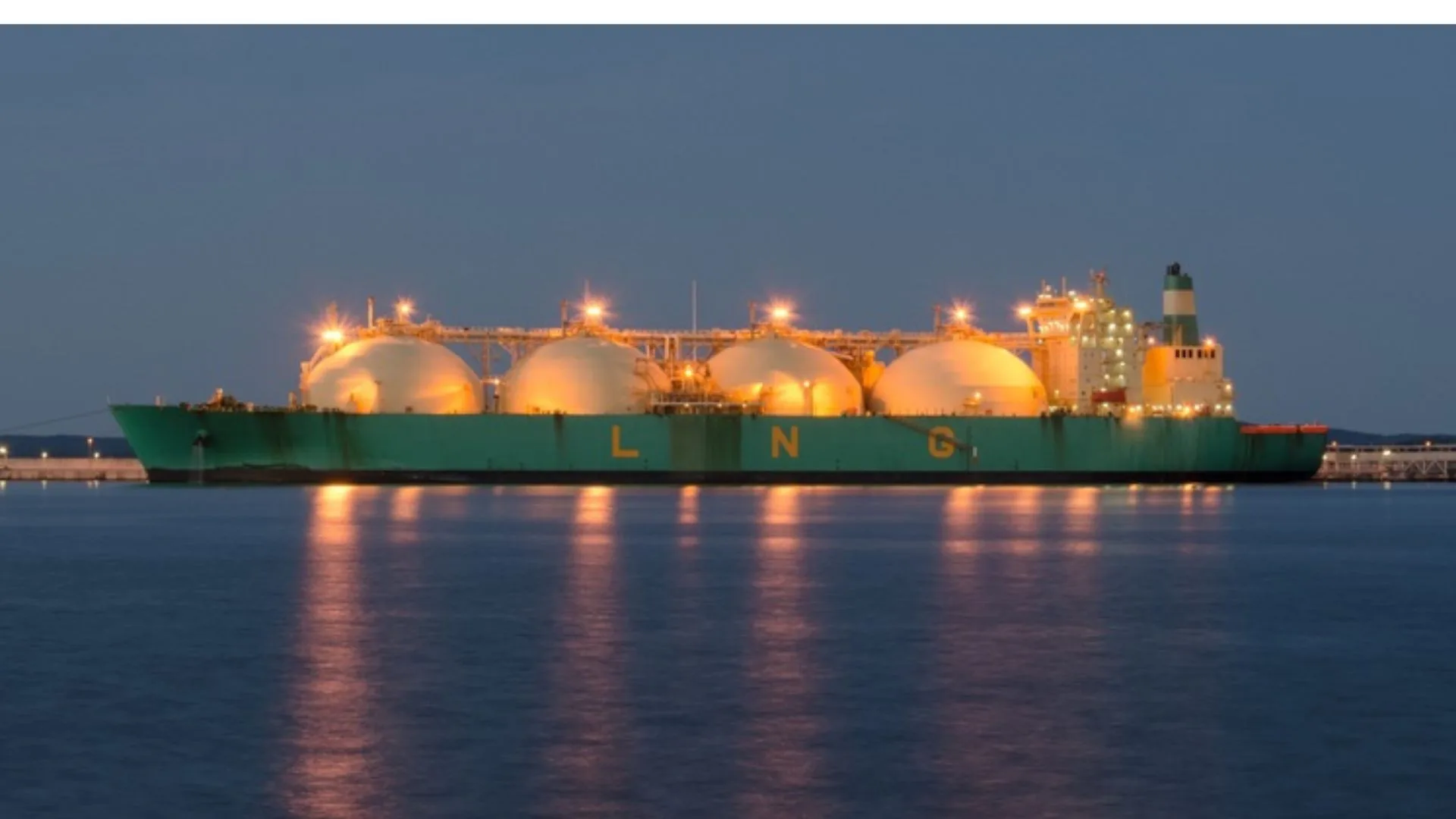
At the beginning of the month, Pakistan managed to receive a cargo of 140,000 cubic meters of LNG purchased from TotalEnergies at a price of $18.40 per MMBTU. The fuel came from Cheniere Energy’s Sabine Pass plant in the United States.
Despite that transaction, the recent rejection of bids suggests that Islamabad is seeking to avoid further purchases at elevated prices due to the fiscal and exchange-rate pressures facing the national economy.
Regional energy supply remains under strain
Market analysts believe the situation could become more complicated if restrictions on energy supply from the Middle East continue.
In addition, rising Asian demand and geopolitical volatility are keeping access to competitively priced LNG cargoes limited. This poses a challenge for importing economies such as Pakistan, especially during periods of high electricity demand.
Source: Oil Price
Photo: Shutterstock