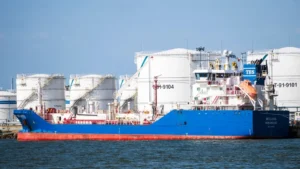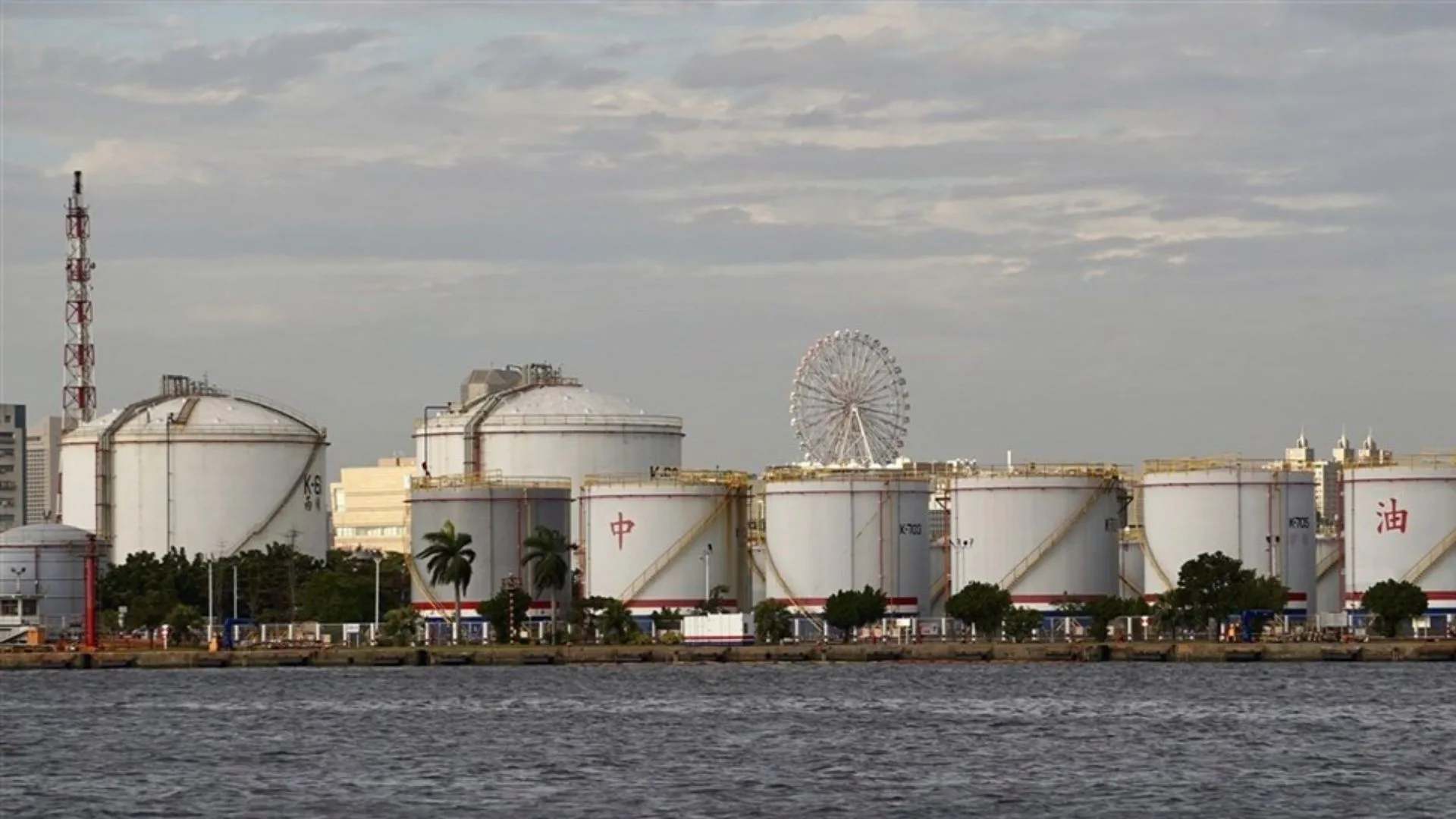
Taiwan has secured its oil and gas supply until September, even amidst an international context marked by tensions in the Middle East and risks in strategic routes such as the Strait of Hormuz. This was confirmed by Deputy Minister of Economic Affairs, Lai Chien-hsin, during the Taiwan Energy Summit Forum 2026.
Currently, the government has intensified its monitoring of the energy system through daily meetings since late February. This active management responds to potential disruptions in global supply, including declarations of force majeure by international energy companies.
However, Taiwan has managed to maintain a stable energy supply thanks to a strategy based on source diversification and long-term planning. In this context, the state-owned CPC Corporation plays a key role by having a database with over 180 petroleum products from more than 40 countries, allowing for a rapid response to disruptions.
Furthermore, CPC has already developed plans for fuel acquisition during the winter. This foresight strengthens energy supply security and reduces exposure to potential fluctuations in the international market.
Uninterrupted Oil and Gas Supply
According to authorities, this approach ensures that oil and gas supply remains uninterrupted in the short term, consolidating the country’s energy stability.
On the other hand, the government is promoting a second energy transition focused on resilience. This strategy combines the development of renewable energies, supply diversification, strengthening the electricity grid, energy storage, and energy efficiency.
Likewise, the aim is to ensure that electricity remains accessible and affordable, while reinforcing its role as the foundation for economic development.
Regarding clean energies, Taiwan stands out in the development of offshore wind power, holding a prominent global position. The country plans to significantly expand its installed capacity by 2035 through new projects, including floating wind farms.
This growth is part of a strategy to diversify the energy matrix and reduce dependence on fossil fuels.
Looking ahead, energy storage and microgrids will play a central role. These technologies will expand access to green electricity beyond the industrial sector, facilitating its integration into daily life.
Additionally, they will contribute to strengthening the resilience of the electricity grid against extreme weather events and potential disruptions.
Energy Efficiency as a Complementary Pillar
In parallel, energy saving remains a relevant component. During the first quarter of the year, Taiwan managed to reduce consumption by 770 million kilowatt-hours, demonstrating the impact of efficiency policies.
The government plans to expand these initiatives through models such as ESCO, aimed at optimizing energy use in different sectors.
Finally, authorities emphasize that electricity demand will continue to increase. Therefore, market mechanisms and public policies will be implemented to optimize the energy system, ensuring stability, security, and affordable prices.
Source and photo: cna.com