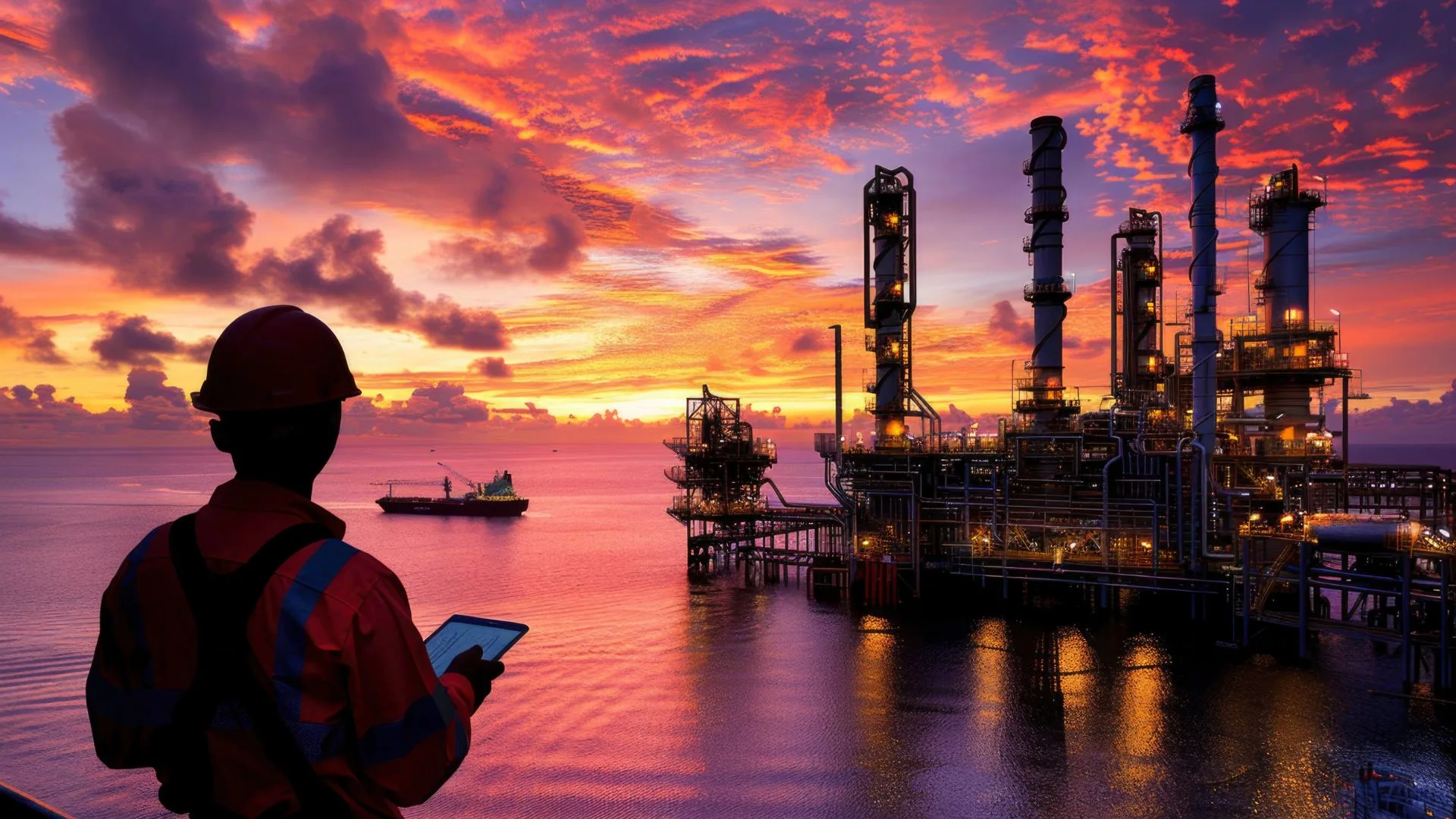
This was warned by the director of the International Energy Agency (IEA), Fatih Birol, noting that damage to energy infrastructure in the Persian Gulf could prolong the crisis beyond market expectations.
Oil and gas recovery faces delays
In this context, Birol explained that oil and gas recovery will not depend solely on the reopening of key trade routes such as the Strait of Hormuz, but on the time required to repair critical facilities.
Attacks have affected fields, refineries, and pipelines throughout the region. More than 80 energy facilities have sustained damage, leading to the withdrawal of millions of barrels from the international market.
Furthermore, the IEA estimates that up to 13 million barrels per day of production have been taken offline, a figure that reflects the magnitude of the disruption.
The market underestimates the duration of the crisis
On the other hand, the IEA director questioned the perception that the impact will be temporary. According to him, even if maritime transport is restored, production will not quickly return to pre-conflict levels.
The recovery will be gradual due to the technical complexity of restarting operations in damaged facilities, especially in high-pressure environments such as oil fields and processing plants.
Natural gas could take even longer
Regarding natural gas, the outlook is more uncertain. Some liquefied natural gas terminals could require more than two years to resume normal operations following the damage sustained.
This adds further pressure to global energy markets, especially in regions highly dependent on imports.
Rising prices and signs of lower demand
Meanwhile, the impact is already reflected in the physical market. Spot crude oil prices have climbed to nearly $150 per barrel, driven by immediate shortages.
Refineries in Europe and Asia are competing for available supply, even reducing their activity due to the lack of raw materials.
Likewise, signs of demand adjustment are beginning to be observed. These include fuel rationing, industrial slowdown, and rising inflation in importing economies.
Emerging markets, the most exposed
Finally, Birol warned that the effects will be more intense in Asia and Africa, where dependence on imported energy amplifies the impact of the crisis.
The combination of high prices, lower availability, and economic pressure could create a prolonged scenario of global energy instability.
Source: Oil Price
Photo: Freepik