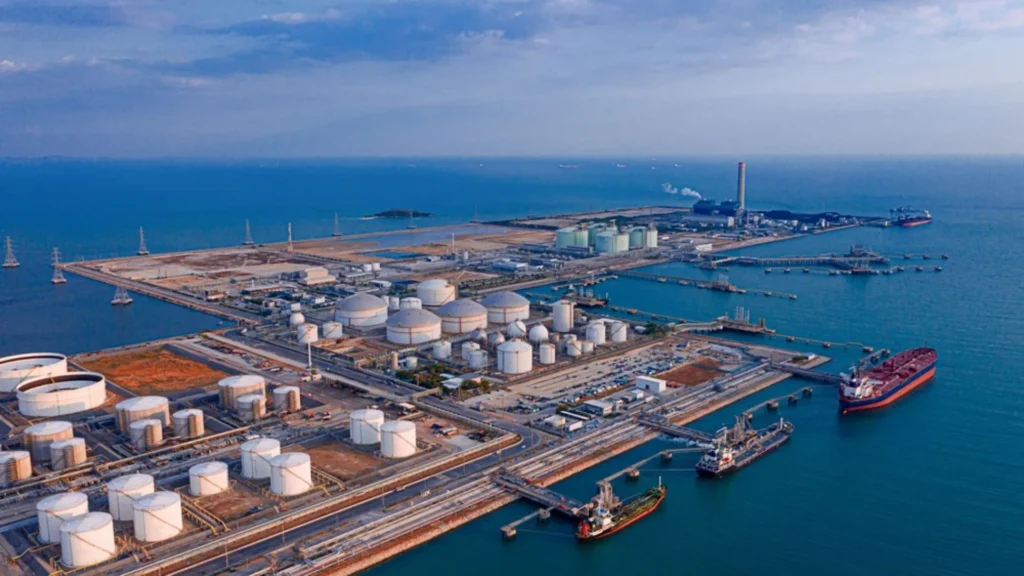
The conflict in the Middle East has caused significant disruption to global LPG supply. In particular, the Strait of Hormuz, one of the main maritime routes for energy transport, has been affected by military tensions that have limited the flow of shipments.
Likewise, attacks on energy infrastructure and logistical restrictions have complicated the distribution of liquefied gas, creating uncertainty about suppliers’ ability to restore operations in the short term.
LPG Supply and High Dependence on Imports in India
India heavily relies on LPG imports to meet its domestic demand. Approximately 60% of consumption comes from abroad, mainly from Gulf countries such as the United Arab Emirates, Qatar, and Saudi Arabia.
This dependence exposes the country to significant risks when disruptions occur in trade routes. The reduced flow through the Strait of Hormuz has forced a diversification of suppliers and routes, albeit with higher associated costs.
Slow Recovery and Long-Term Risks
According to official estimates, the full recovery of LPG supply could take between three and four years. This timeframe reflects the uncertainty regarding whether affected facilities have sustained permanent damage or temporary interruptions.
Furthermore, even with cargo redirection strategies, the effective impact on supply is estimated to remain high for the next few years.
Pressure on Prices and Storage
The current context has also led to an increase in LPG prices. Transport, insurance, and logistics costs have risen steadily, affecting both domestic and commercial users.
On the other hand, limited storage capacity increases the system’s vulnerability. Current reserves cover barely a few weeks of consumption, intensifying exposure to international market fluctuations.
Government Measures to Ensure Supply
Given this scenario, the government has begun to implement measures to secure domestic supply. These include diversifying import sources, increasing local production, and optimizing consumption.
Likewise, strategies applied during previous crises are being evaluated to mitigate the impact on households and prevent interruptions in basic supply.
Source: Oil Price
Photo: Shutterstock