Maritime transit through the Strait of Hormuz continues at reduced levels while the conflict between the United States and Iran raises the risk for oil and liquefied natural gas shipments.
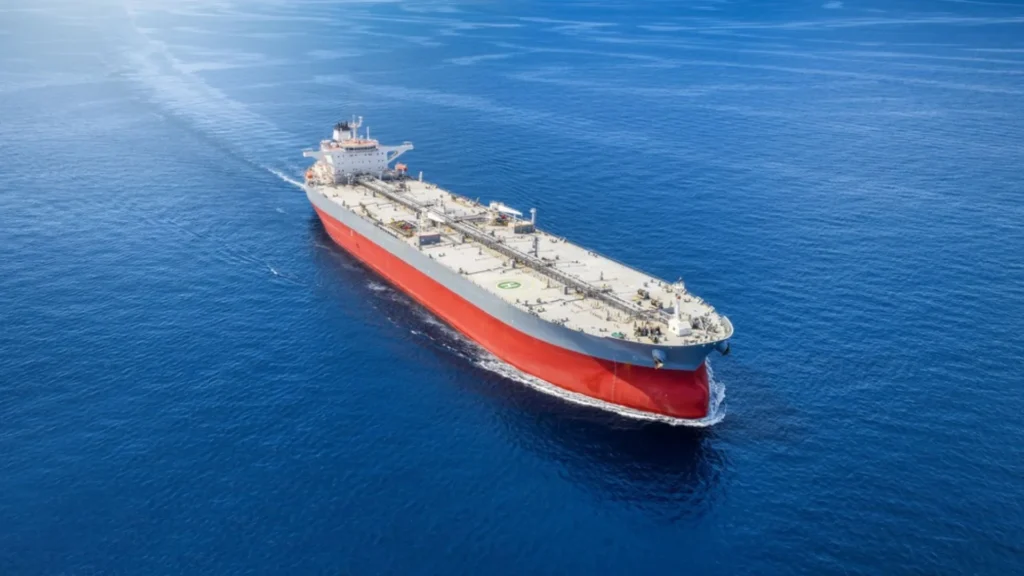
According to LSEG data, four vessels crossed the strategic passage on Sunday compared to eight recorded on Saturday. Since Friday, at least three petroleum product tankers and one very large crude carrier entered to load oil.
The traffic decline affects one of the world’s most important energy corridors. Approximately one-fifth of global oil trade typically flows through the Strait of Hormuz.
Maritime Transit Falls Under Military Pressure
The reduction in vessels coincides with a new phase of attacks between the United States and Iran. Washington reported completing an eighth consecutive night of operations against Iranian targets while Kuwait and Bahrain reported new attacks attributed to Tehran.
Additionally, both parties have directed their attention toward maritime routes. The United States maintains it is enforcing a naval blockade on Iranian ports. Iran claims it is acting against vessels that violate its navigation regulations in the strait.
This scenario has increased caution among operators, shipowners, and hydrocarbon transport companies. Some vessels may also turn off their transponders to make their location more difficult to track during the crossing.
Vessel Fire Near Oman
Meanwhile, the United Kingdom Maritime Trade Operations agency reported a vessel fire approximately eight nautical miles northwest of Kumzar, Oman.
The organization indicated that the cause of the incident had not yet been verified. The alert adds pressure to an area already concentrated with military, commercial, and logistical risks.
LNG Shipments Also Decline
Since Thursday, no liquefied natural gas tankers have been identified passing through the Strait of Hormuz. The decline is significant for Qatar and the United Arab Emirates, two exporters that depend on this route to move their shipments out of the Gulf.
S&P Global Energy data indicate that the ten-day moving average for LNG-laden vessels fell to 0.2 shipments per day on July 15. At the end of June, the average stood near 0.8 shipments per day.
Likewise, only one LNG shipment departure from the Gulf was identified during the previous week. Production and vessel loading in Qatar and the United Arab Emirates remained relatively firm despite the lower vessel departures.
Floating LNG Storage Increases
The continuity of loading operations has generated greater LNG inventory within the Gulf. Part of the fuel remains stored in LNG carriers awaiting safer conditions for navigation.
In mid-July, seven laden Qatari LNG carriers transported approximately 0.57 million metric tons of LNG. The available capacity in vessels within the Gulf reached nearly 1.9 million tons.
That volume is equivalent to approximately eight days of typical maximum exports from the main regional projects before the conflict.
A Reopening Would Allow Export Recovery
If restrictions in the Strait of Hormuz decrease, vessels that are already loaded could resume their routes quickly. This would allow part of the stored LNG to be released and exports to be accelerated without waiting for new production cycles.
However, recovery will depend on maritime security, the evolution of attacks, and the decisions of shipping operators. While tension persists, oil tanker and LNG carrier transit will remain exposed to delays, diversions, and higher logistical costs.
Source: Reuters
Photo: Shutterstock