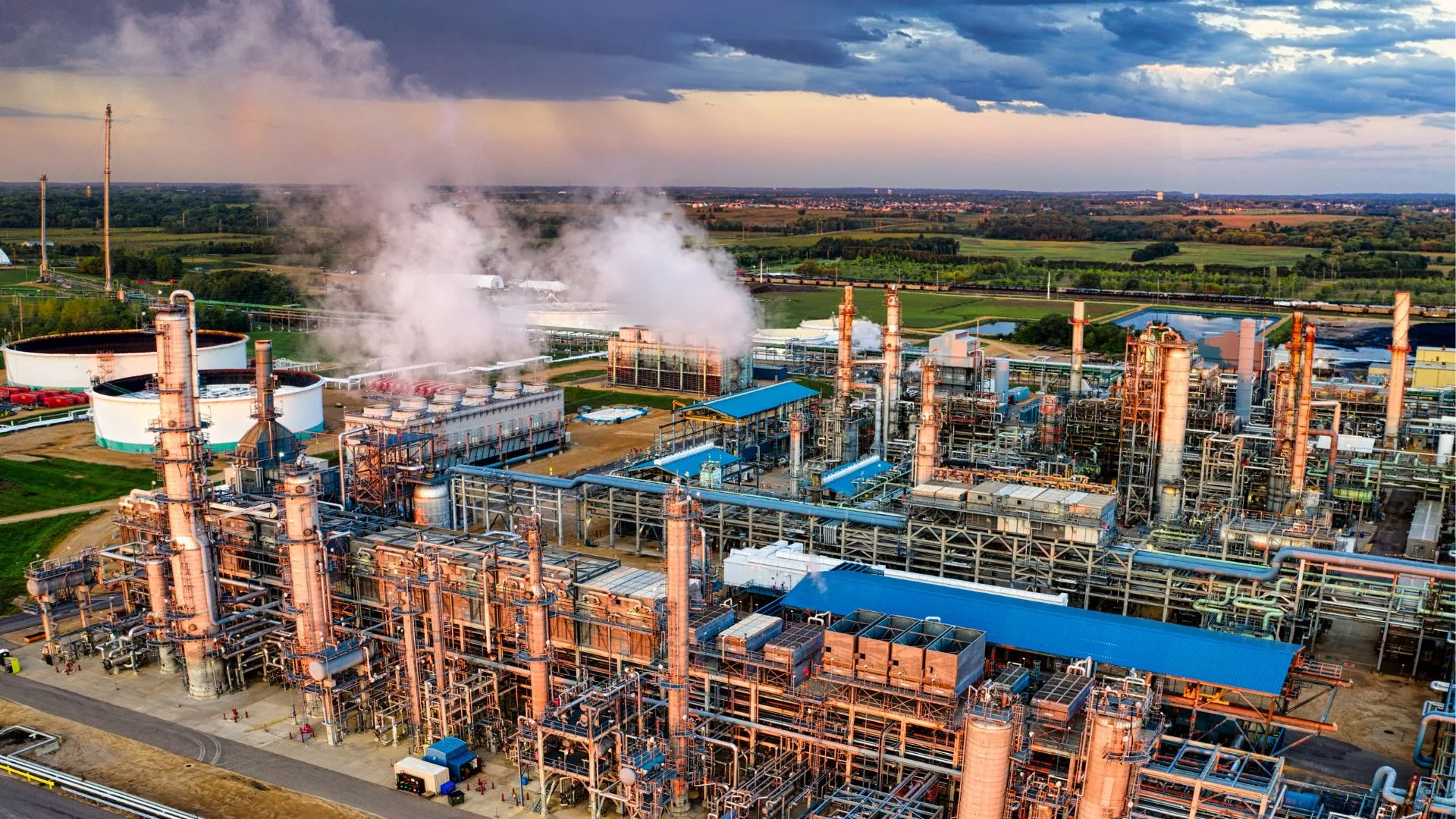
Initially, analyses developed by S&P Global Energy indicate a notable acceleration in the U.S. energy market following the reactivation of government authorizations in early 2025. Indeed, the lifting of temporary restrictions prompted the immediate approval of seven new projects that reached their final investment decision, with additional platforms estimated to be integrated in the short term. Therefore, updated projections calculate that the global supply chain for this hydrocarbon will attract financial resources exceeding one trillion dollars by 2040.
The Projected Growth of the Liquefied Natural Gas Industry
Additionally, this financial rebound will transform the U.S. trade balance in the medium term. Industry experts indicate that LNG exports will rank only behind traditional major manufacturing sectors in the total volume of international shipments by 2031. In this way, commercial activity will generate direct monetary flows estimated at 2.9 trillion dollars for local corporations, consolidating the North American country’s operational leadership.
Concurrently, the macroeconomic benefits derived from this commercial expansion show a diversified geographical distribution across the national territory. Statistical data reveals that 42% of the jobs created and 33% of the contribution to the gross domestic product will originate in regions far from primary extraction basins, decentralizing the industry’s financial impact. Likewise, federal and state public coffers will receive tax contributions amounting to 206 billion dollars during the projected period.
Furthermore, the expansion of external sales will not compromise the affordability of the energy resource in residential or industrial settings. Economic models anticipate that the average price increase for end-users will be limited to 1.6% per household between 2026 and 2031. This circumstance ensures that the domestic market maintains competitive rates, ranking among the lowest internationally due to proven commercial reserves for over 45 years of continuous consumption.
Operational Resilience Against Geopolitical and Climatic Disruptions
Similarly, the liquefied natural gas distribution network has demonstrated a high capacity for adaptation to critical global and climatic scenarios. During recent international incidents in the Middle East, prices at the Henry Hub node maintained a downward trend, evidencing effective isolation from external volatility. Likewise, the flexibility of export plants functioned as a regulatory mechanism during severe climatic contingencies, redirecting massive fuel flows to home heating systems.
Finally, the technical report emphasizes that the main obstacle to maximizing system efficiency lies in the physical limitations of the transport network. Although the country possesses over 300,000 miles of operational pipelines, critical geographical bottlenecks persist in densely populated areas of the Northeast. Certainly, the removal of these structural restrictions through new pipeline projects would lead to a tariff reduction exceeding 20% in strategic locations such as New York and New England by the end of the decade.
Source: S&P Global Energy
Photo: Shutterstock