
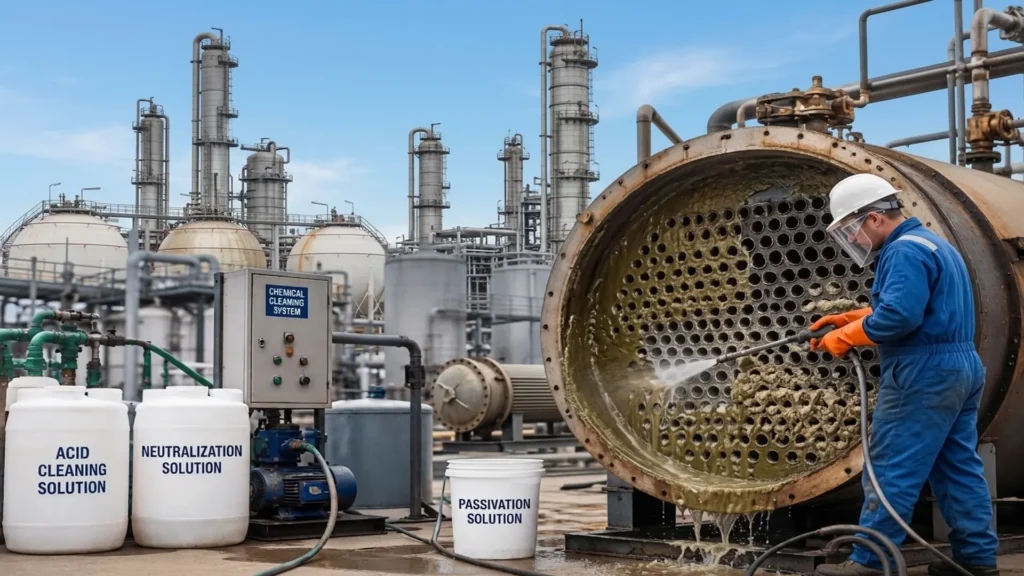
Chemical cleaning of process equipment and piping: Methods and corrosion control
Detailed technical analysis of the methods, metallurgical protocol, and operational steps for the chemical cleaning of industrial equipment
Detailed technical analysis of the methods, metallurgical protocol, and operational steps for the chemical cleaning of industrial equipment
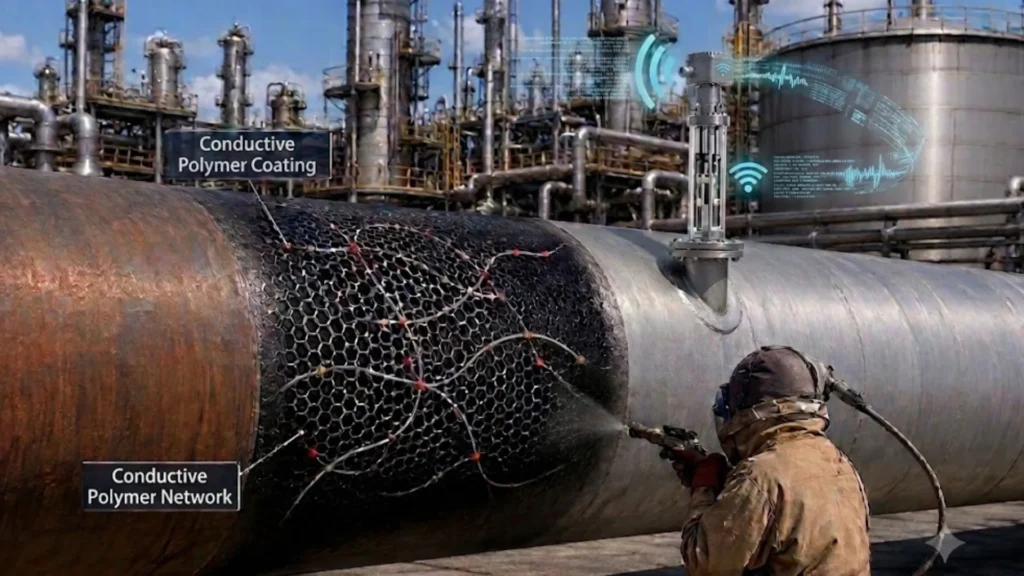
Smart coatings containing conductive polymers and real-time monitoring sensors help mitigate degradation, extend service life, and reinforce mechanical integrity.
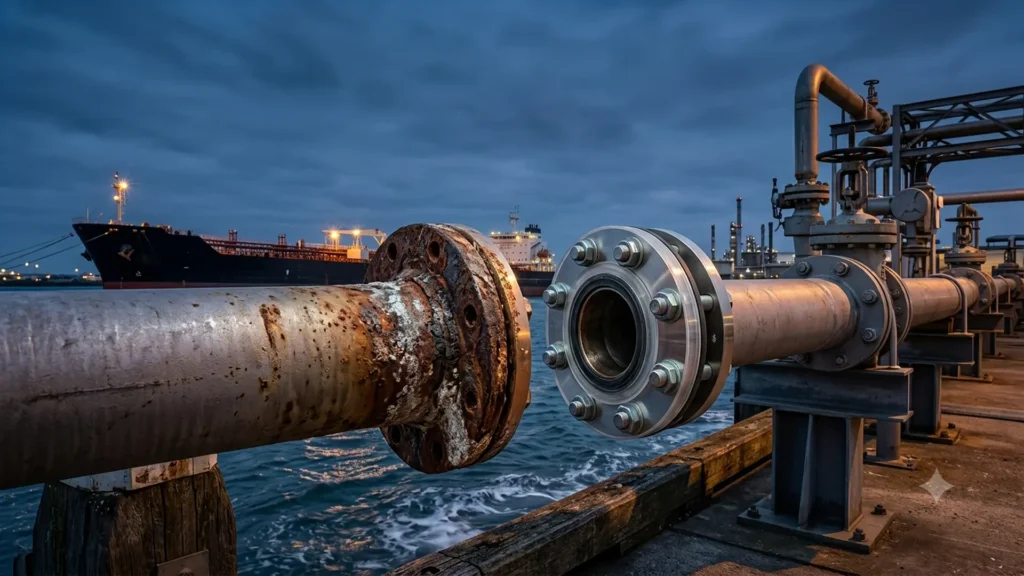
Galvanic corrosion compromises the integrity of spring flanges in marine environments. Learn how electrical isolation kits help prevent this degradation mechanism.
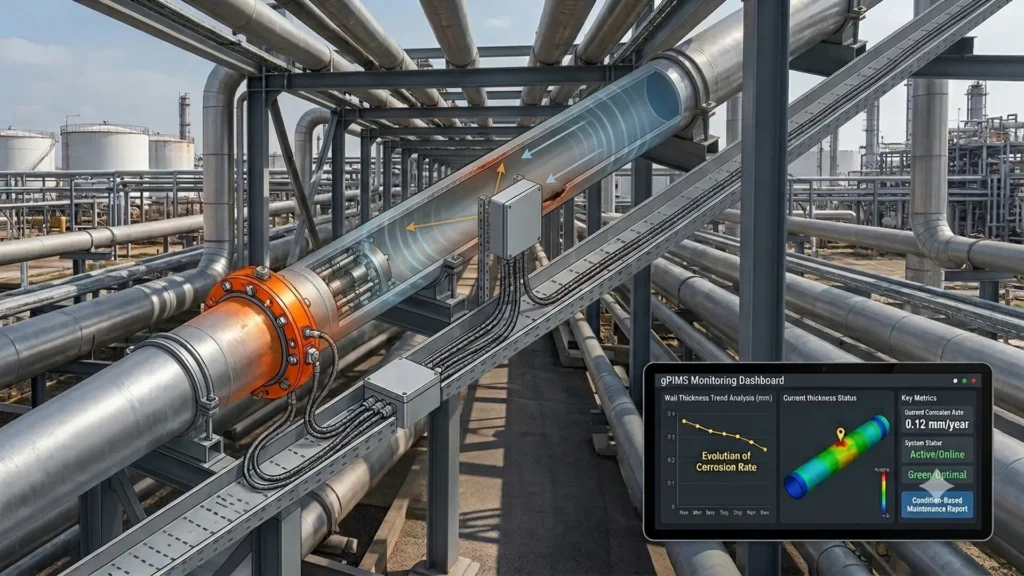
Guided Ultrasonic's gPIMS sensors provide a continuous monitoring solution for tracking wall thickness loss and detecting corrosion using guided waves.
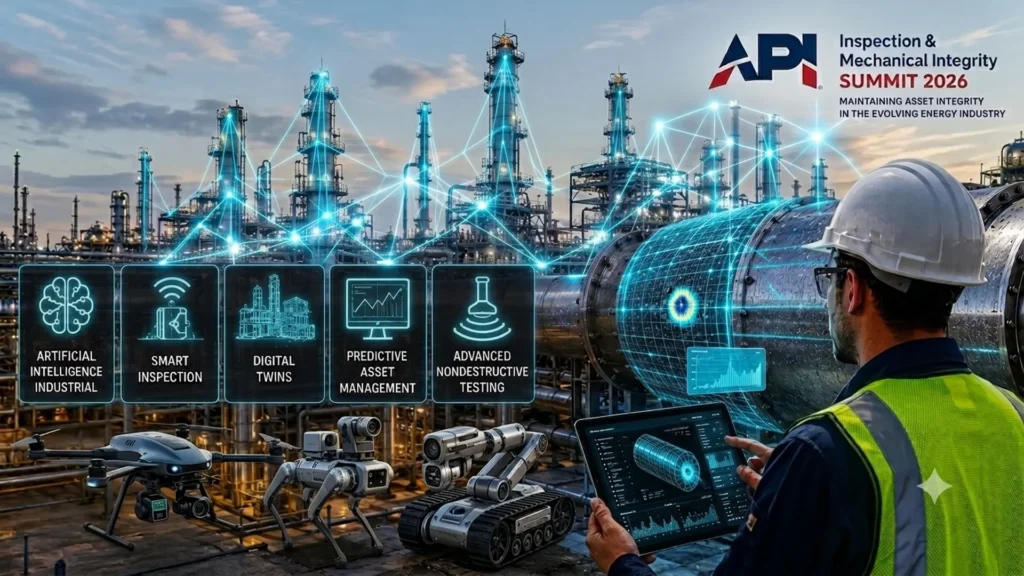
Mechanical Integrity 4.0 Sets the Trend at the 2026 API Summit with AI, Smart Inspection, and Advanced NDT for Reliable Assets.
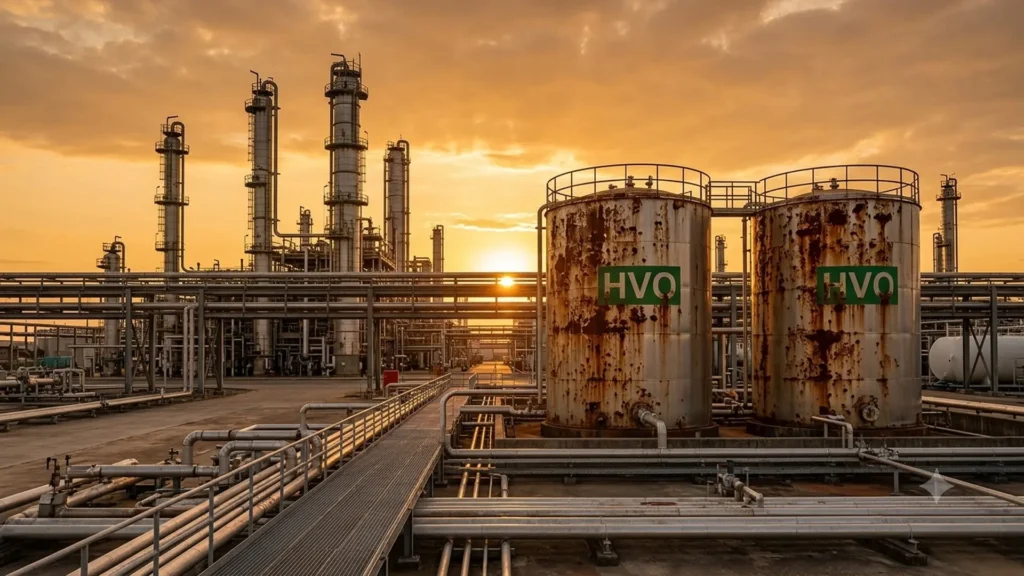
Understand how corrosion in renewable fuels requires new strategies to protect facilities and manage contaminants in bio-oils.
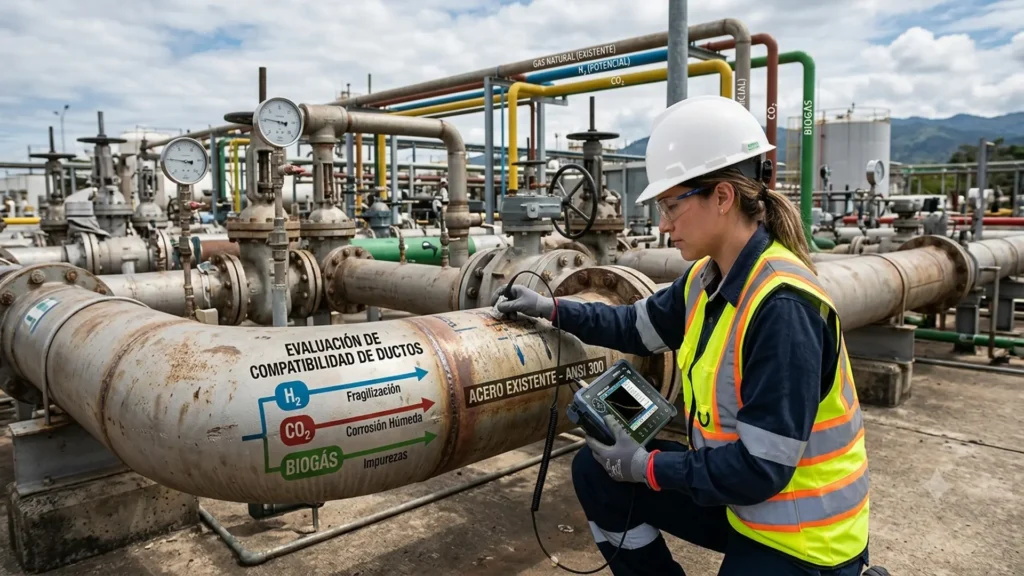
Can existing pipelines transport CO₂, hydrogen or biogas? Discover the key factors that determine pipeline compatibility.
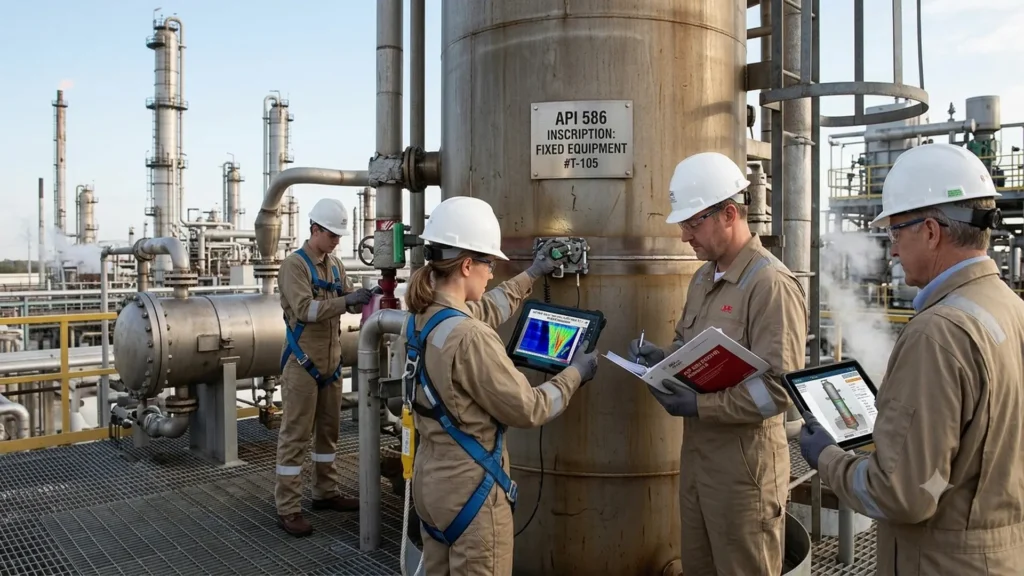
API 586 optimizes the inspection of fixed equipment by linking damage mechanisms to the most effective NDT techniques.
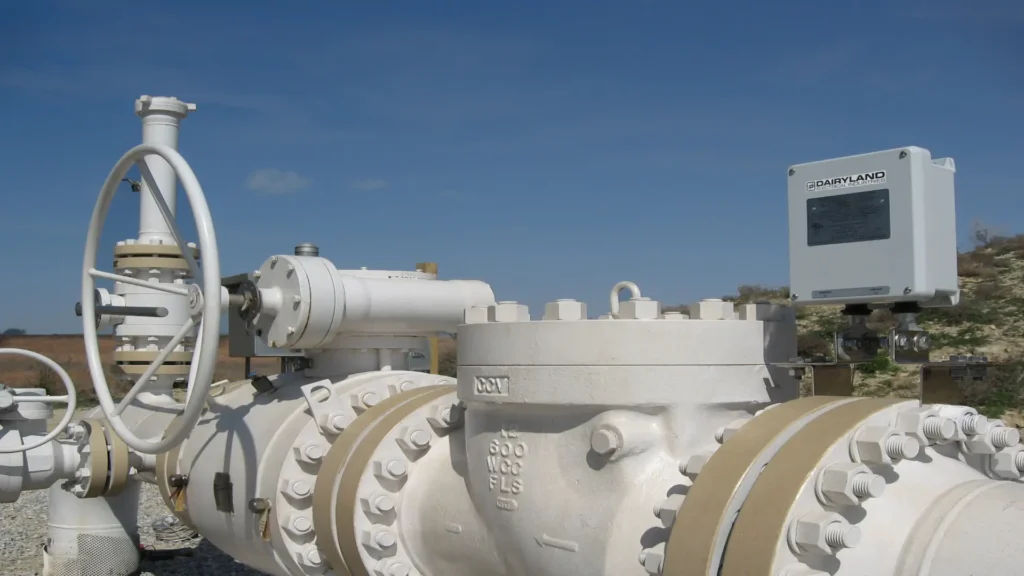
Learn about the operational differences between PCRH and OVP devices in response to induced currents, transient overvoltages, and AC power failures.
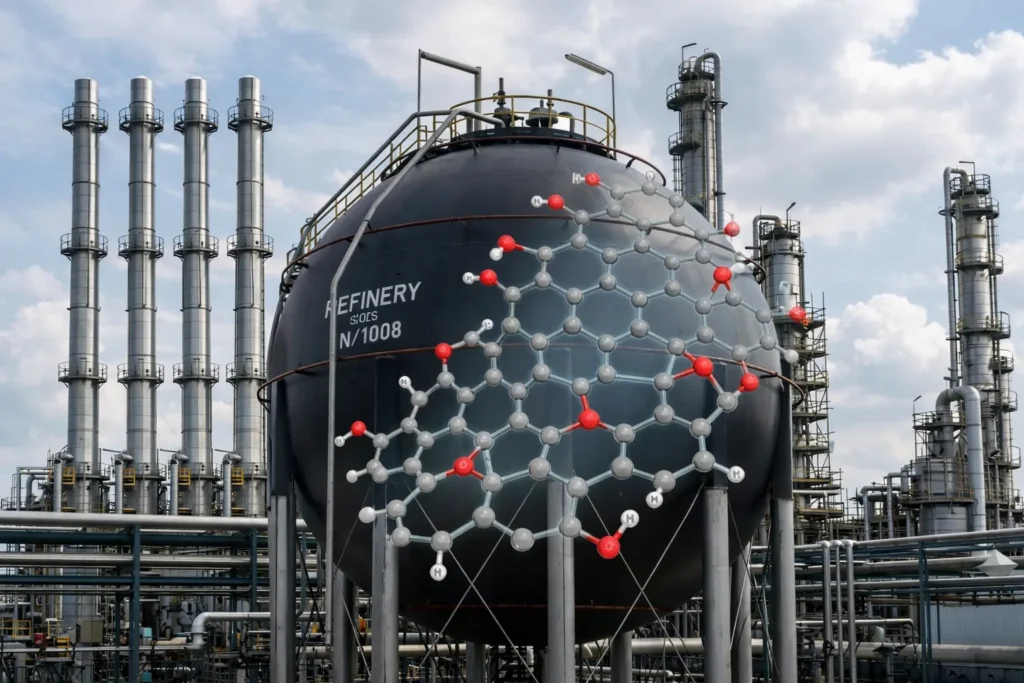
Graphene oxide enables more durable and efficient anticorrosive coatings for industrial applications.
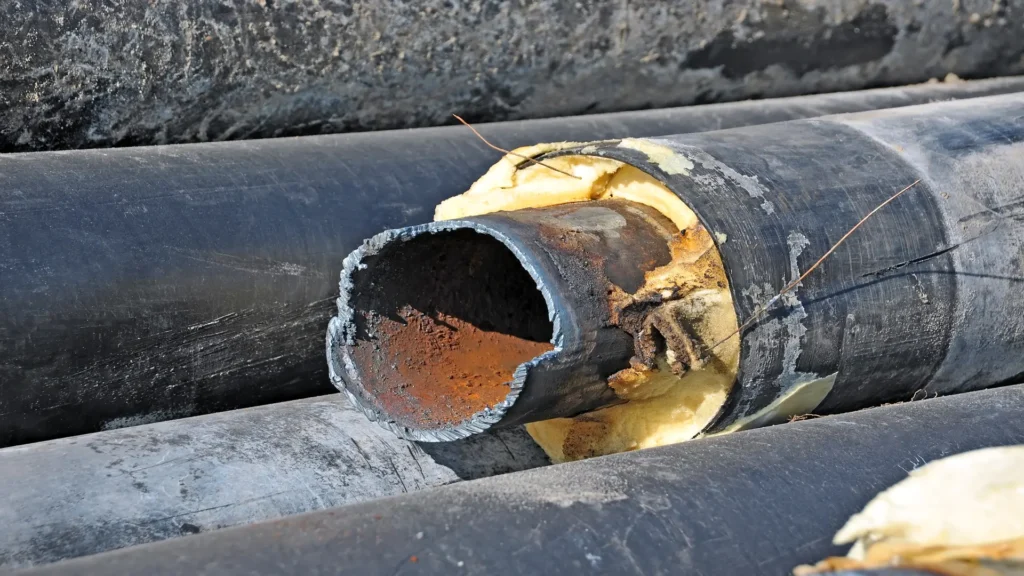
Preventing CUI in stainless steel requires advanced integrity strategies due to its metallurgical complexity compared to carbon steel.
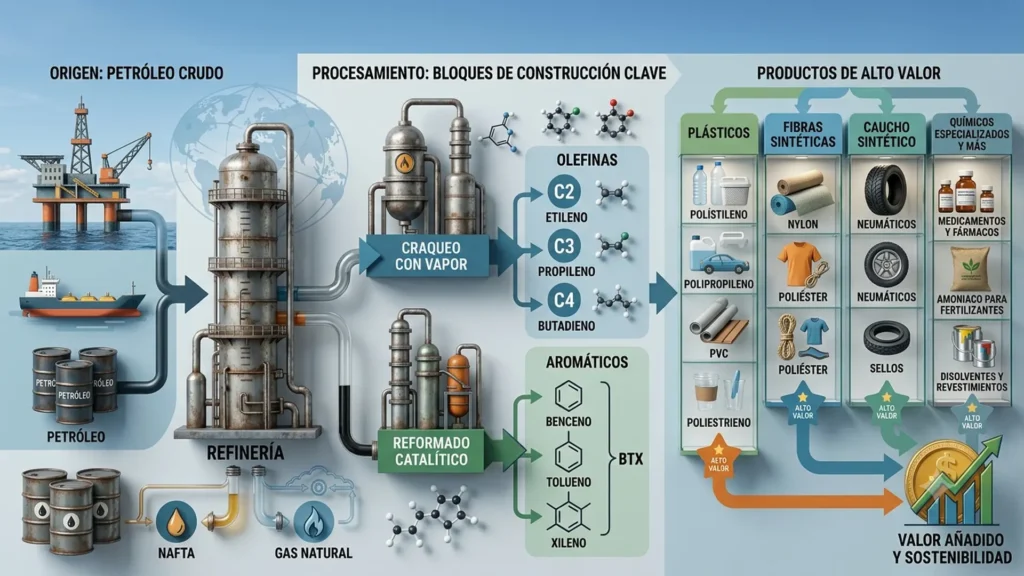
Process in the Petrochemicals industry transforming petroleum fractions and gas into high-value raw materials.