Flexicoking: Deep waste conversion technology
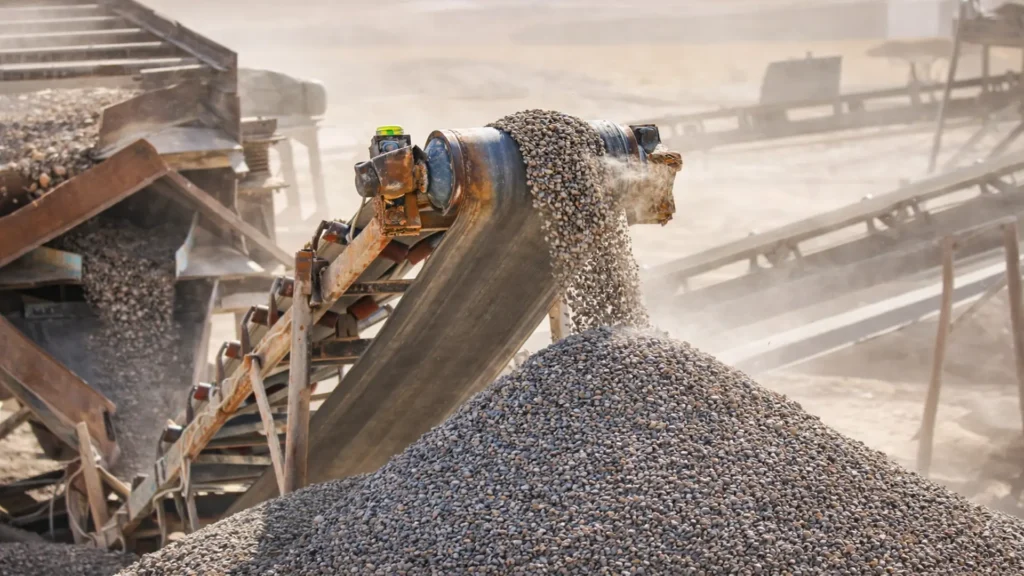
Deep waste conversion increases the recovery of higher-value fractions and reduces coke generation.
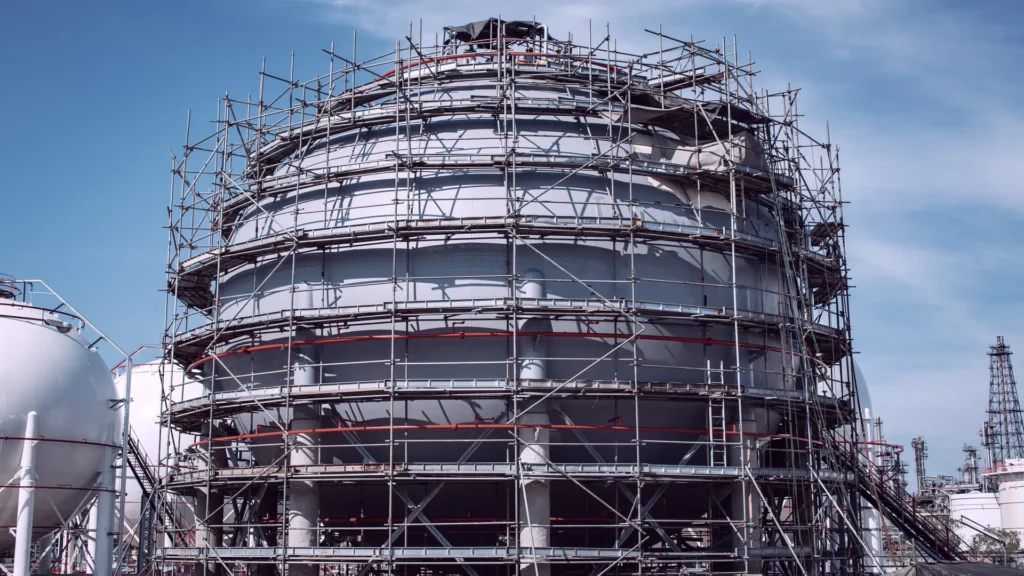
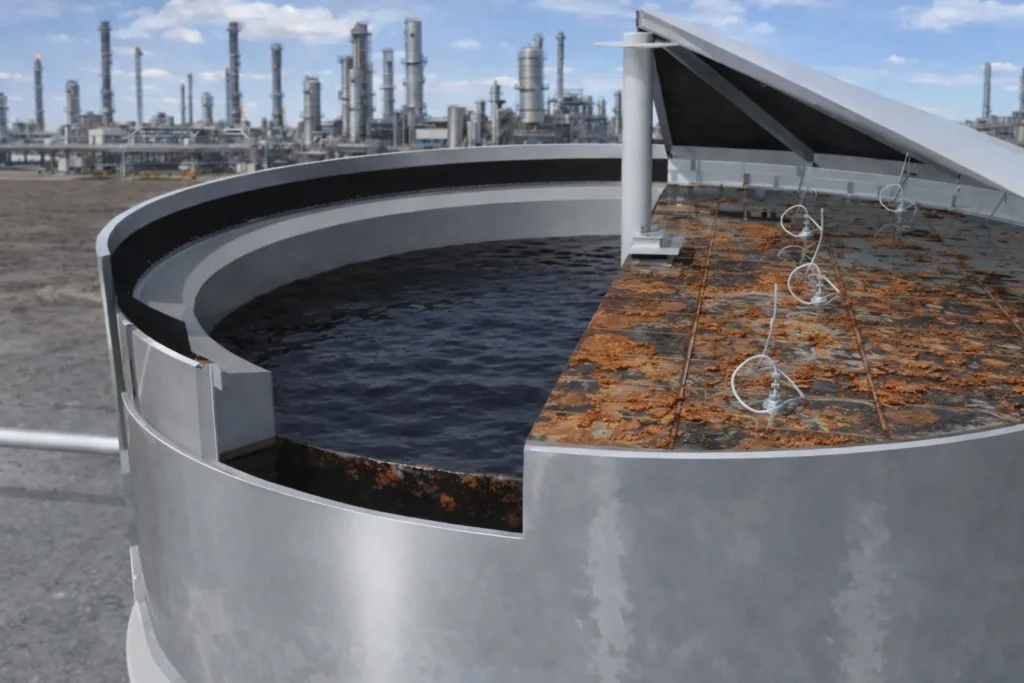
Internal coating failure mechanisms and diagnostic approaches shaping AST tank integrity management through 2026.
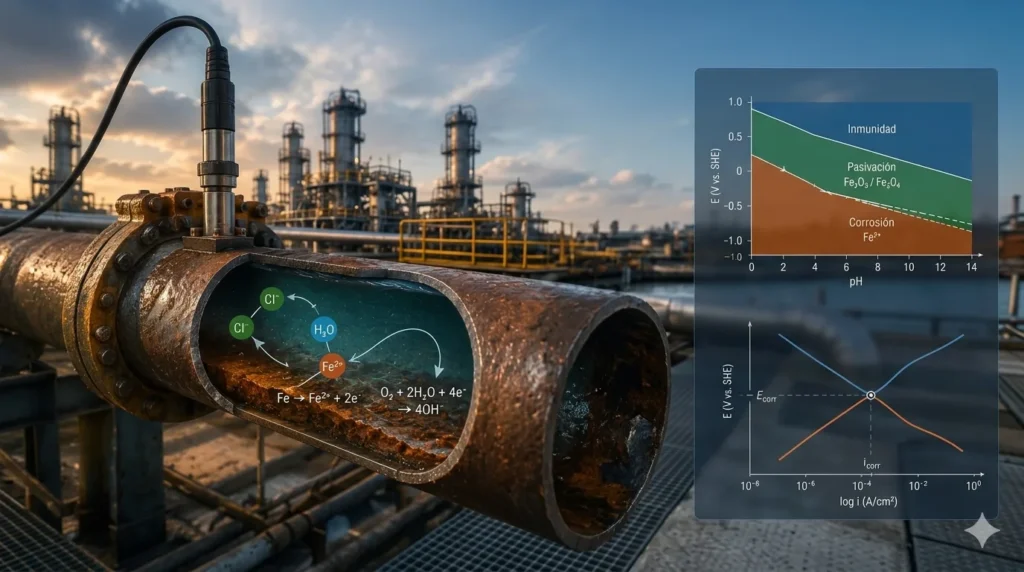
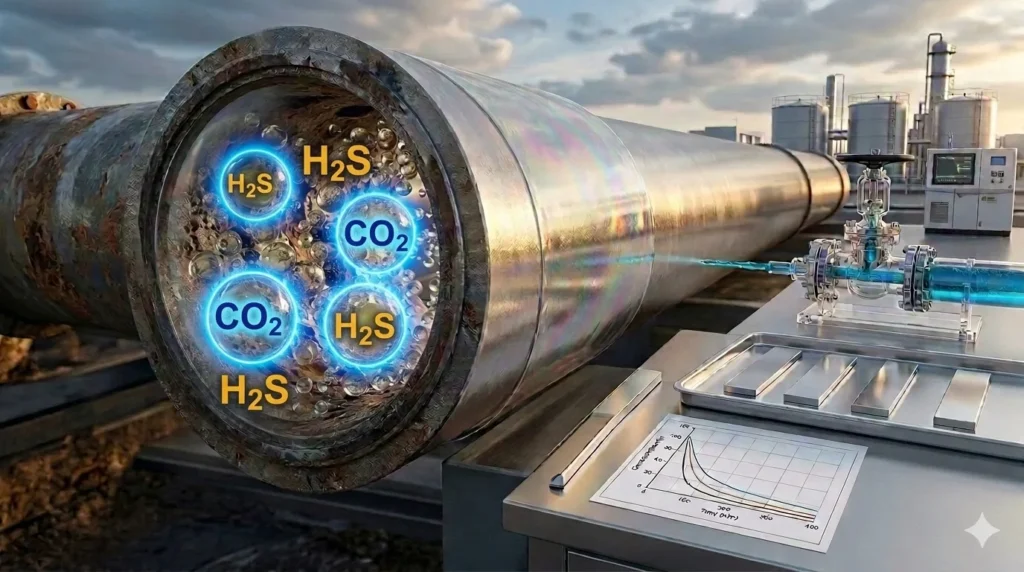
Internal pipeline corrosion affects the integrity of industrial assets and is a costly process influenced by temperature and pressure.
The NACE TM0190 standard defines the test for validating the electrochemical performance of aluminum anodes.
Intergranular corrosion compromises sensitized stainless steels; ASTM A262 allows for its detection and metallurgical control.
Crevice corrosion is an electrochemical mechanism of localized corrosion that compromises structural integrity.
Sacrificial anode control in marine infrastructure ensures effective cathodic protection, structural integrity, and extended service life in seawater environments.
Fractional distillation requires advanced control to operate efficiently and stably in refineries.
Failure analysis on metallic materials is a technical process that combines corrosion, fractography, metallography, and root cause diagnosis to identify the origin and progression of failures, enhancing the reliability and safety of industrial assets.
Against the limits of traditional methods, advanced cathodic protection with VCI represents an efficient solution for aggressive subway environments in the petrochemical industry.
Atmospheric distillation is the most prevalent and dominant unit operation in chemical industries requiring distillation of large volumes of fluids.
Spills continue to affect maritime safety and coastal ecosystems, requiring robust industrial preparedness and international technical cooperation to reduce operational impacts.