Maritime traffic through the Strait of Hormuz it continues at exceptionally low levels while restrictions linked to Iran and the United States affect one of the main routes of global energy trade.
Over the weekend, only 17 cargo ships crossed the waterway, according to preliminary navigation data from Kpler. Activity was concentrated mainly on Saturday, when 13 vessels were recorded, compared to four on Sunday.
However, the count may change because some vessels are sailing in the area with their transponders turned off, making them difficult to detect using standard maritime tracking systems.
Traffic in the Strait of Hormuz remains under pressure
Meanwhile, on Friday, 16 crossings were recorded at the Strait of Hormuz among the vessels detected were two empty VLCC supertankers that entered the Gulf with their tracking systems turned off. One was headed to Iraq, while the other was headed towards Bahrain.
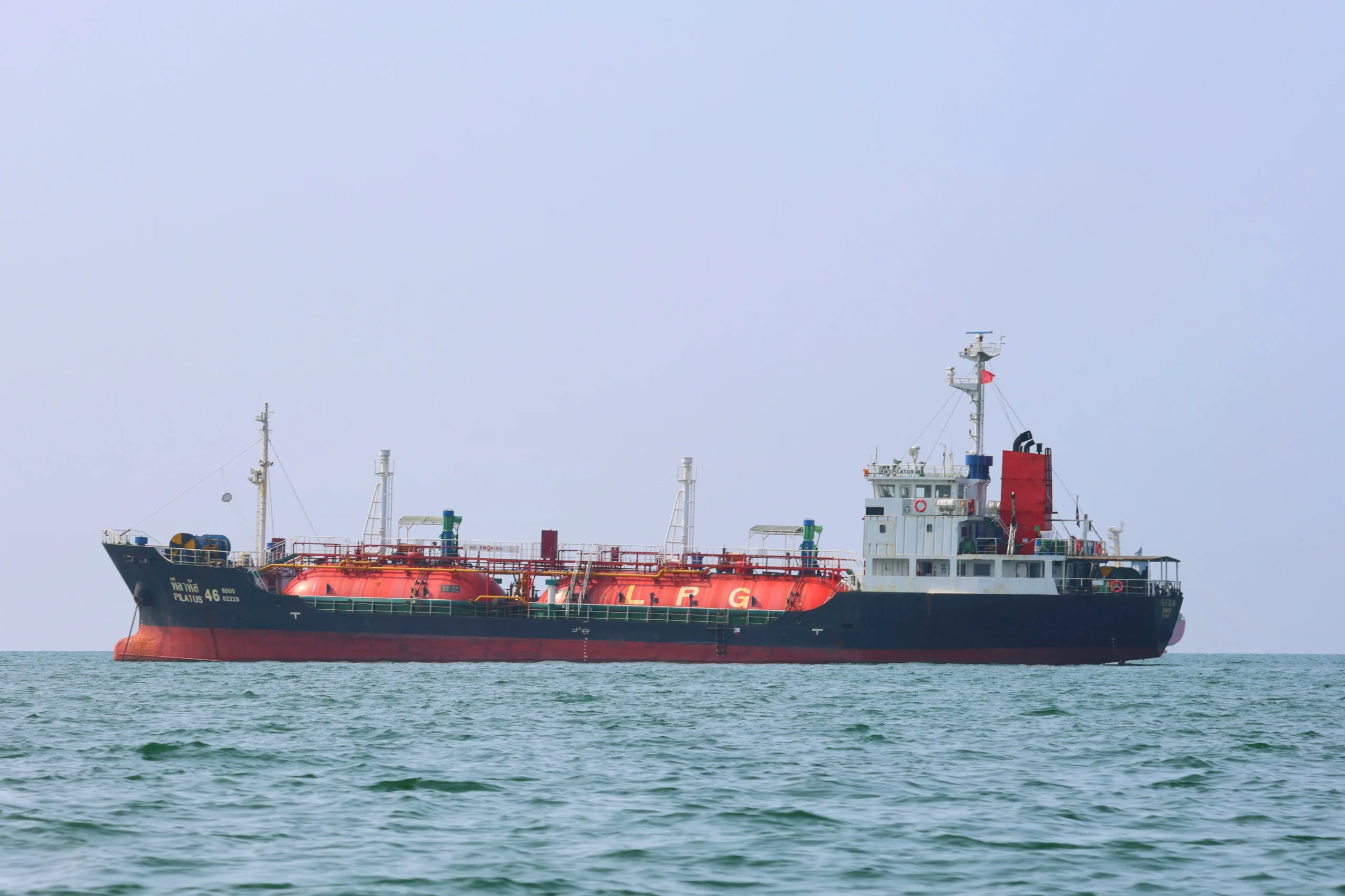
Gas transport also remained somewhat active, with eight large gas carriers passing through the Strait of Hormuz during the three days analyzed. Six entered the Gulf empty, while two departed with cargoes of liquefied petroleum gas (LPG) from Iran.
The traffic composition confirms the continued importance of the strait for hydrocarbon transport, even under current restrictions. Oil tankers and gas carriers continue to use the route despite navigational risks.
Maritime traffic remains far from normal levels
Furthermore, the reduction observed over the weekend is part of a broader trend, the agency of United Kingdom Maritime Trade Operations (UKMTO) it reported that traffic remained reduced during the week ending August 21.
During those seven days, 89 ships left the strait and 103 entered, according to information obtained through the Automatic Identification System (AIS). The UKMTO noted that transits detected by AIS remained approximately 90% below pre-conflict levels.
At the same time, some vessels cancelled planned crossings or modified their routes to navigate through different sections of the strait after the attacks recorded in the area.
Oil tankers and LPG carriers concentrate the traffic in the Strait of Hormuz
In this scenario, tankers accounted for 45% of the maritime traffic recorded in the strait. Within this segment, 56% corresponded to vessels dedicated to crude oil transport petroleum derivatives or chemical products. On the other hand, ships intended for the transport of LPG represented another 24% of the observed traffic.
These figures show that the remaining movement continues to be closely linked to energy trade, the Strait of Hormuz connects the Persian Gulf with the Gulf of Oman and is a strategic waterway for oil and gas shipments from the region.
The incidents increase the risk to navigation
In addition to traffic restrictions, security conditions have deteriorated; since July 6, the UKMTO has reported 23 incidents involving projectile impacts on vessels in and around the Strait of Hormuz.
The attacks have caused damage to bridges, engine rooms and other areas of the ships, increasing the pressure on operators and crews who must pass through the area.
As a result, the use of tracking systems, route changes, and decisions to cancel certain transits have become relevant elements for assessing the actual movement of vessels.
Bab el-Mandeb also registers less ship movement
Meanwhile, another strategic route for maritime trade showed reduced activity, Kpler data indicated that 24 cargo ships passed through the strait of Bab el-Mandeb Sunday.
The number was lower than the 32 crossings recorded on Saturday, although it exceeded the 22 counted on Friday. Two VLCC supertankers also entered the Red Sea on Saturday. One was carrying Iraqi Basrah crude, while the second was sailing empty.
The simultaneous evolution of traffic in Hormuz and Bab el-Mandeb keeps attention focused on two essential corridors for the maritime transport of oil, gas and other goods between the Middle East and international markets.
Source: Marine in sight
Photo: Shutterstock