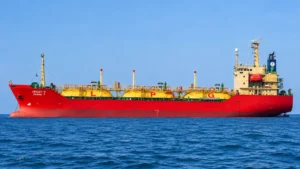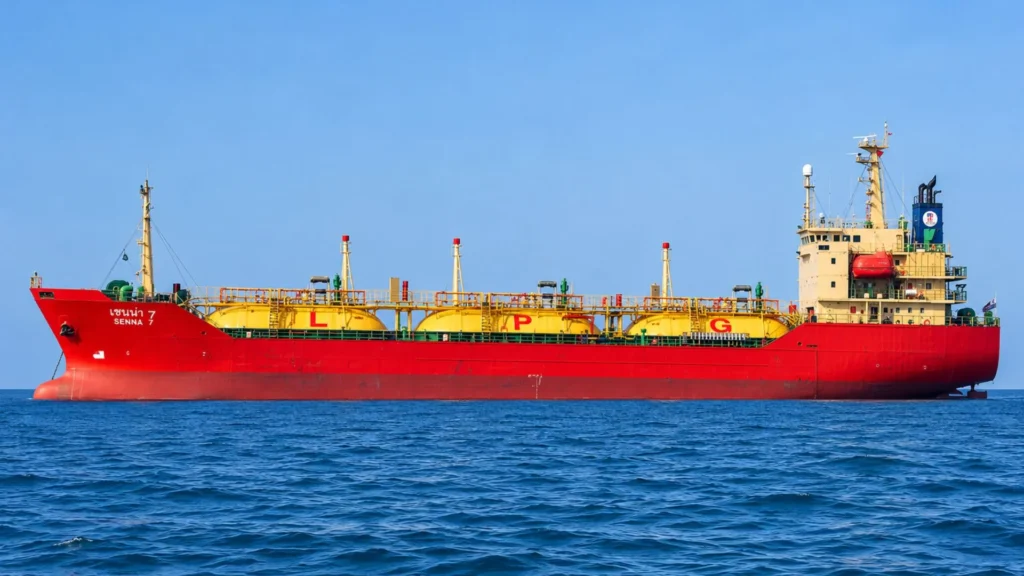
Qatar the transit of liquefied natural gas (LNG) tankers through the Strait of Hormuz has increased again, boosting export activity after several weeks of reduced operations on this strategic shipping route. Vessel tracking data shows that several loaded LNG carriers have passed through the strait in the past week, while other ships have moved toward the Persian Gulf. This uptick represents the highest level of activity recorded for Qatari cargoes in more than two months.
Qatar increases its LNG shipments through the Strait of Hormuz
He Strait of Hormuz it is one of the main maritime routes for international energy transport, the route connects the Persian Gulf to global markets and allows for the export of a significant portion of Qatar’s liquefied natural gas (LNG). Over the past few months, LNG vessel traffic was reduced due to navigational risks in the area, this situation temporarily affected transport capacity and increased attention to the security of energy supply. Now, the increase in crossings reflects a partial recovery in maritime traffic, although levels remain below pre-disruption levels. Before this operational reduction, the route maintained a pace of nearly several LNG shipments per day.
Qatar maintains its active LNG export capacity
The Gulf country has one of the largest export infrastructures in LNG of the world through the Ras Laffan industrial complex, this facility is key for the international production and distribution of liquefied natural gas. The Gulf country Energy has also maintained partial operations to preserve the technical capacity of its equipment and facilitate a gradual recovery when conditions allow for expanded shipments. The strategy includes managing LNG cargoes and storage within the region, as well as utilizing available vessels to maintain the operational continuity of the energy supply chain.
Global demand drives international gas transport
The increase in LNG traffic comes at a time of pressure on international energy markets. Europe and Asia have seen higher gas demand as buyers prepare their reserves for the winter season. Qatari liquefied natural gas plays a significant role in these markets due to the country’s production capacity and its supply contracts with various regions. Therefore, any fluctuation in export volumes from the Gulf country can influence global LNG availability and the evolution of international fuel prices.
Qatar strengthens its role in the global LNG supply chain
The recovery of ship traffic through the Strait of Hormuz this reflects the importance of maritime routes for the energy industry. Although operational challenges persist, the Gulf country maintains its position as one of the leading international suppliers of liquefied natural gas. The evolution of maritime transport in the coming weeks will be crucial in determining the pace of export recovery and its impact on the global gas market balance.
Source: Energy Connects
Photo: Shutterstock