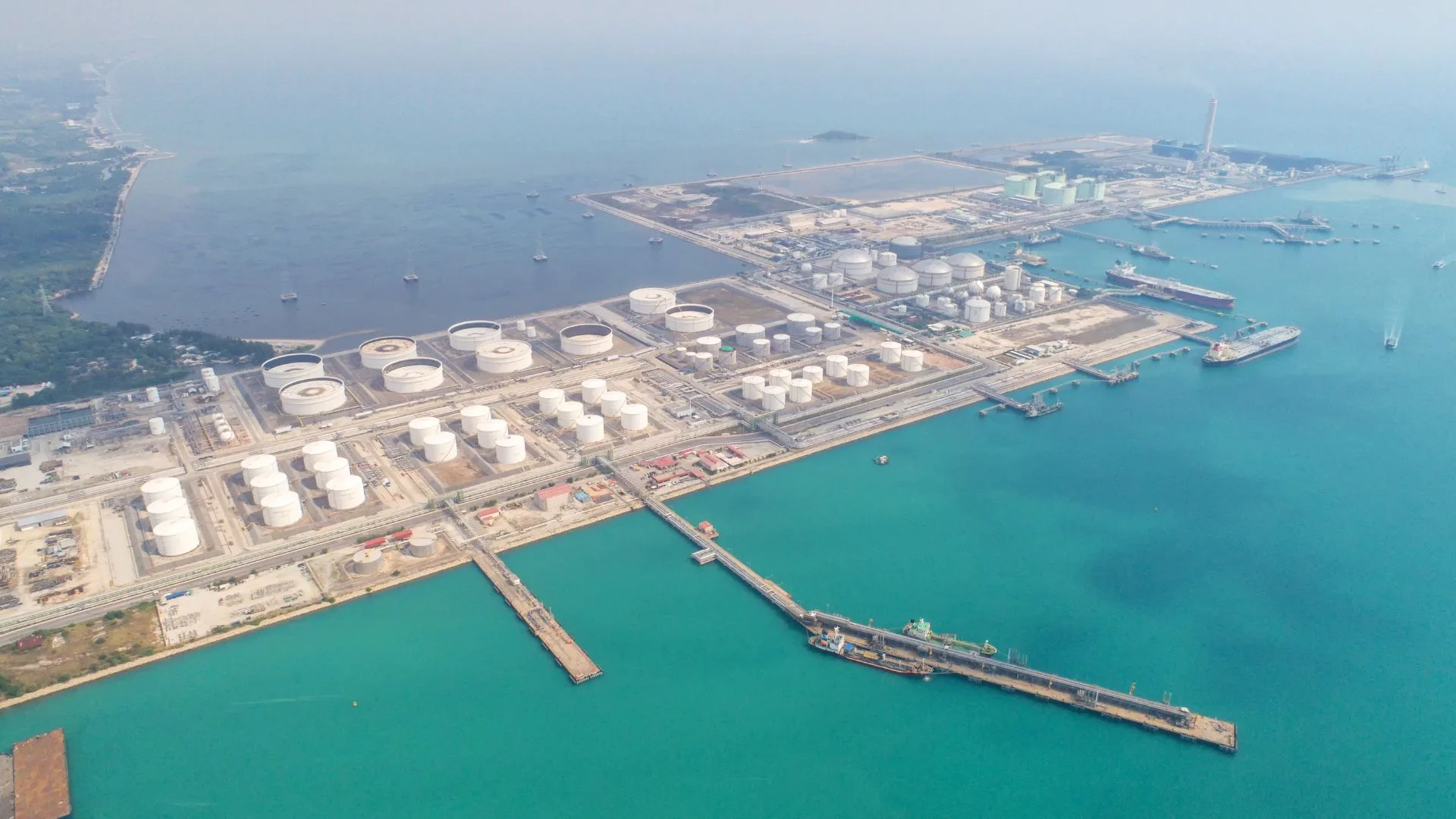
Oil prices brent crude reached its highest level in more than three weeks, driven by strong crude consumption from US refineries and a renewed escalation of tensions between the United Arab Emirates and Iran. October futures rose 0.7% and closed at $91.62 per barrel meanwhile, WTI for September gained 1.1% to $85.83 meanwhile, the more active October contract finished at $84.39. Thus, the oil market found support both in demand fundamentals and in the geopolitical risks that continue to affect Middle Eastern energy routes.
Oil prices rise amid increased refinery demand
On the one hand, the latest data from the US government showed strong activity in the refining sector, Oil processing reached its highest level since September 2019, with the Gulf Coast driving the increase. This surge in refinery demand helped support the price of crude oil even after a price hike was announced. 4.4 million barrels in US oil inventories during the last week.
Furthermore, distillate stocks fell by 1.5 million barrels, reaching their lowest level in over a month, according to data from the U.S. Energy Information Administration (EIA). This combination is significant for the market. Although there is more crude oil in storage, refineries are processing larger volumes, and reserves of certain fuels remain under pressure.
Diesel is gaining ground against oil
Meanwhile, the refined products market is showing even more pronounced movements, diesel has increased more sharply than the oil due to restrictions affecting international supply. Attacks on refineries related to the war between Russia and Ukraine have also contributed to adjusting fuel availability.
In the United States, the production margin of diesel from oil exceeded $100 per barrel and reached historic levels. In Europe, diesel futures have more than doubled in value during 2026. This scenario increases the pressure on sectors that depend directly on distillate fuels, including road transport and agriculture.
Tensions between the UAE and Iran are supporting oil prices
On the other hand, geopolitics once again became a decisive factor for oil price, United Arab Emirates the UAE announced the severing of its economic ties with Tehran after accusing Iran of launching ballistic missiles at Emirati territory. This was followed by statements from US President Donald Trump, who affirmed that there are no ongoing negotiations with Iran to end the conflict.
Arne Lohmann Rasmussen, chief analyst at Global Risk Management, noted that the combination of escalating tensions between the two countries and the possibility of a prolonged shutdown continues to support oil and refined products. Furthermore, the expiration of the 60-day ceasefire between the United States and Iran introduced another element of uncertainty. Some traders reduced long positions in anticipation of an unexpected de-escalation, a move that partially limited price gains.
The Strait of Hormuz continues to pose high risks
The Strait of Hormuz the Strait of Gibraltar remains a focal point of market attention due to its importance for international hydrocarbon transport. Three supertankers linked to China changed course in the strait, a sign that navigational risks persist. Additionally, the UK reported that a vessel leaving the area was struck by a projectile, resulting in one fatality.
However, Persian Gulf producers have maintained oil shipments through the Strait of Hormuz to supply the international market. The continuity of these flows has so far prevented a much larger disruption to supply and has helped keep oil prices well below the highs some traders anticipated at the start of the conflict.
Therefore, the market maintains a delicate balance, high demand from US refineries and falling distillate inventories support prices, while the flow of oil through Hormuz and the closing of speculative positions limit stronger movements.
Source: Rigzone
Photo: Shutterstock