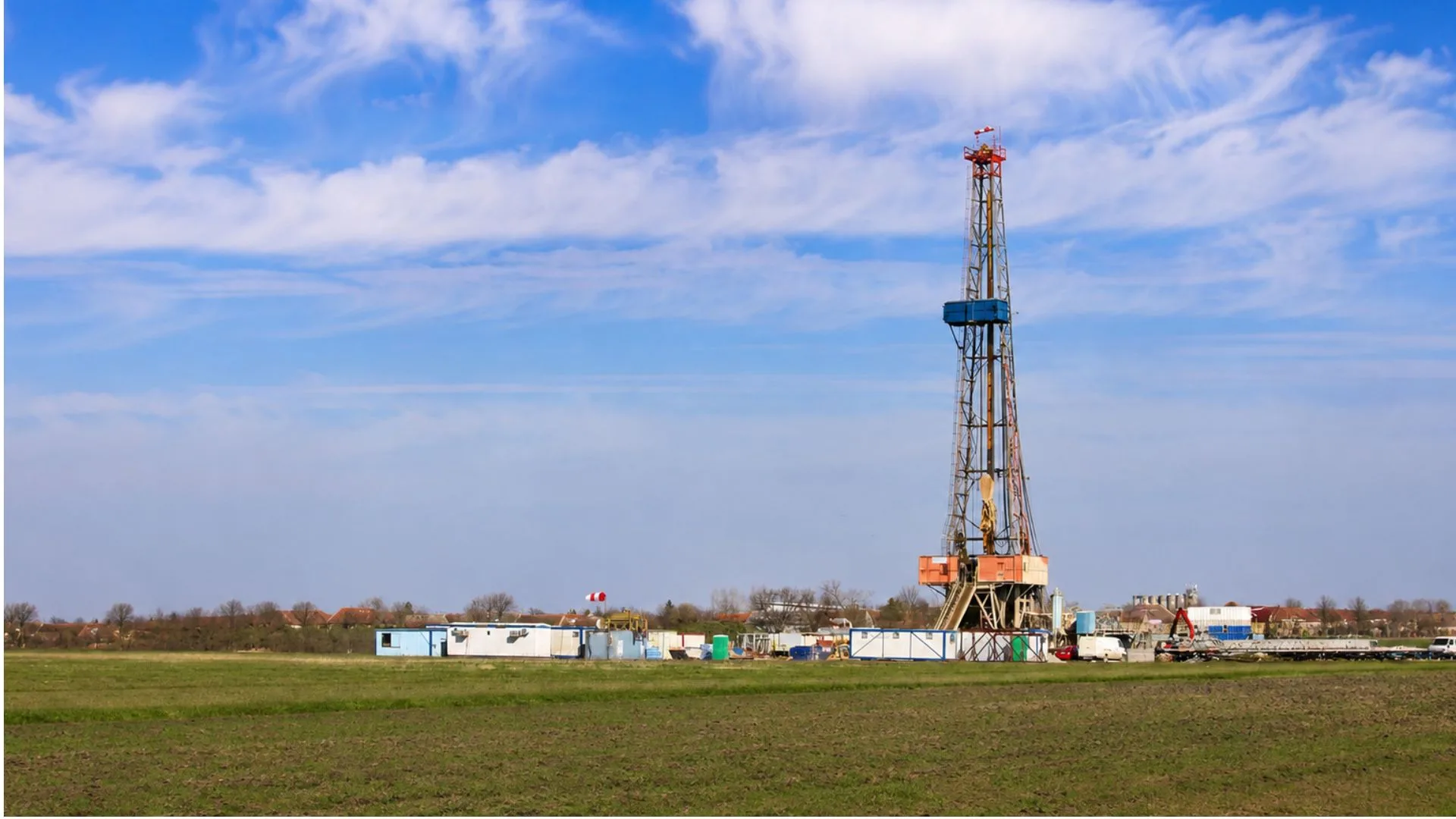
The growing demand for Global onshore drilling it is finding a market with fewer available platforms and high barriers to entry. An analysis of Enverus Intelligence Research (EIR) it identifies Argentina, Kuwait, Oman, and Egypt among the destinations with the best conditions for hosting teams in the coming years.
Currently, some 4,300 onshore platforms remain active worldwide, however, about half operate in markets linked to national oil companies where Western contractors have limited or virtually no access.
Vaca Muerta leads the drilling opportunities
In this scenario, Vaca Muerta it appears as the main long-term open market opportunity, the development of Argentine shale maintains prospects for greater activity until the end of the decade, supported by the expansion of infrastructure to transport and distribute hydrocarbons.
On the other hand, North America has the largest stock of inactive onshore platforms, a situation that contrasts with Middle East, Europe and Africa, where utilization rates are high and there is less scope to rapidly increase drilling with available equipment.
This difference could accelerate the international migration of platforms, markets with high utilization will need to import equipment or incorporate new units to respond to a potential increase in activity.
Kuwait, Oman and Egypt attract contractors
In addition, Kuwait, Oman, Iraq and Egypt these markets offer some of the best prospects for international contractors. However, access is contingent upon the increasing participation of domestic oil companies, local content requirements, and geopolitical risks.
Mark Chapman, senior oilfield services analyst at EIR, noted that the onshore drilling market needs to be increasingly analyzed based on where companies can actually compete.
This situation is significant because a considerable portion of the active platforms are located in China, Russia, Iran, and certain areas of India. In these markets, the participation of Western contractors is limited or nonexistent.
North America concentrates available platforms
Meanwhile, the high availability of equipment in North America may favor the transfer of platforms to international regions where utilization is close to capacity.
Companies with experience in international operations and a strong regional presence may have an advantage in capitalizing on this redistribution. Market access will be as important as demand growth itself.
In the United States, the dynamics are different, EIR predicts that production growth will be more limited by the availability of hydraulic fracturing fleets than by the supply of drilling platforms.
Therefore, contractors might find incentives to move some of their equipment to international markets with better utilization rates.
Reduced land exploration impacts future supply
Furthermore, the market faces a structural shift stemming from years of reduced investment in onshore exploration. The proportion of global exploratory wells drilled onshore has steadily declined.
This trend has reduced the inventory of prospects ready for drilling and may slow the supply response to an increase in commodity prices.
In this way, future growth will increasingly depend on the ability to place the right teams in markets with demand and commercial access.
Platform availability, geopolitical conditions, infrastructure, regional utilization, and local requirements will be decisive factors in determining where the next phase of global onshore drilling will go.
Source: EnergyNow
Photo: Shutterstock