Table of Contents
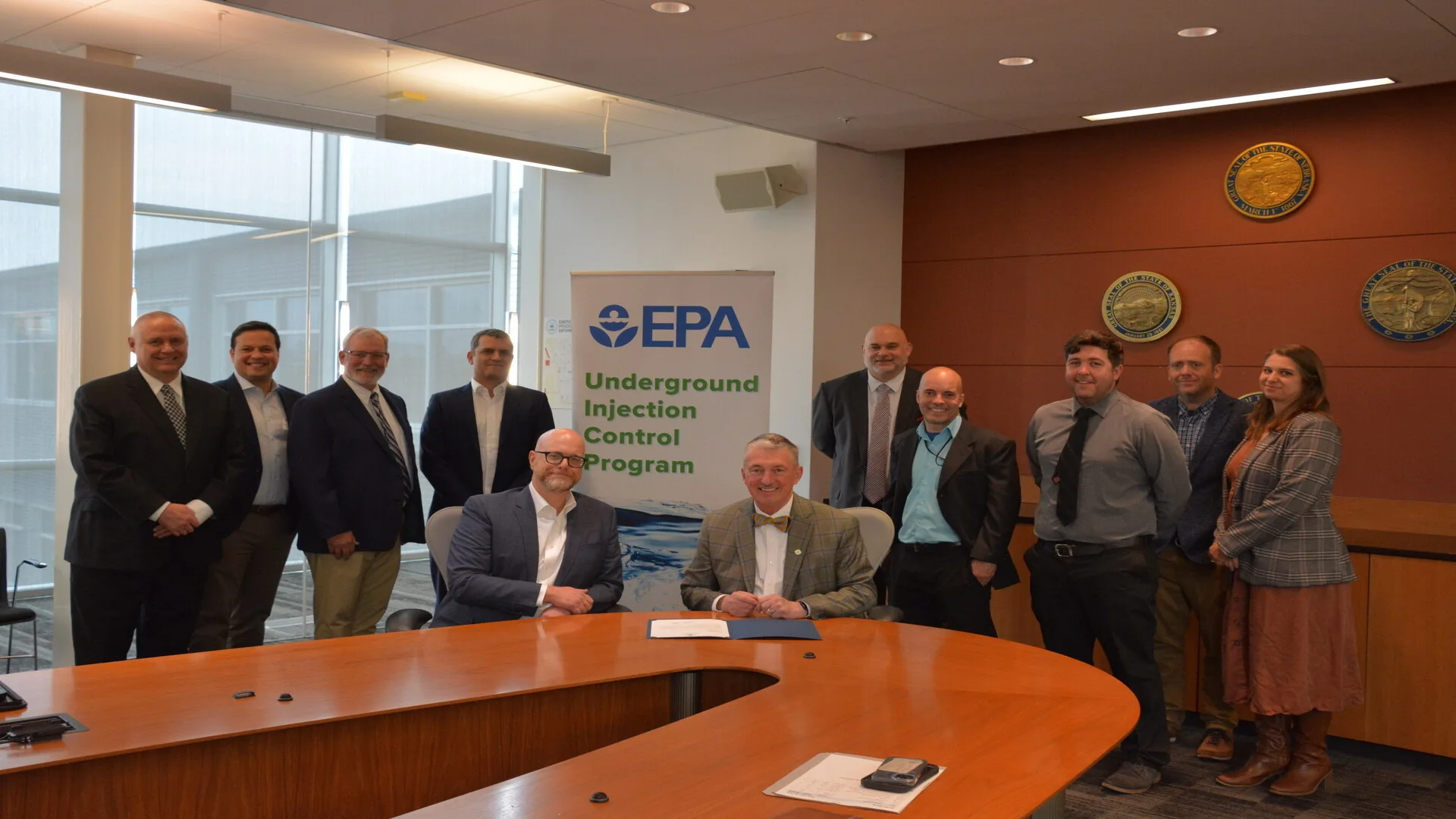
The company PureField Ingredients has received authorization from the U.S. Environmental Protection Agency (EPA) to capture the CO₂ it produces in operations at its Russell plant in Kansas and store it permanently underground. This makes it a global benchmark in food production and low-carbon fuels.
How does its process work?
PureField uses wheat grown in Kansas very efficiently, following a model in which nothing is wasted:
- From wheat, they extract food ingredients (functional proteins).
- From the leftover starch, they produce ethanol (fuel) and animal feed.
- From the CO₂ generated during fermentation, they capture it and permanently bury it underground.
Why is it important?
The ethanol they will produce will be among the lowest carbon-intensity in the world and could even achieve net-zero or negative emissions. Currently, the U.S. imports 70% of the wheat protein it consumes, but thanks to this authorization, PureField will produce it locally.
The plan is to use around 20 million bushels of Kansas wheat and sorghum, which will provide stability for local farmers.
In summary, PureField will not only produce food and fuel, but will do so by capturing the CO₂ it emits and burying it. This drastically reduces its environmental impact, strengthens local agriculture, and positions the company as a leader in energy and food sustainability.