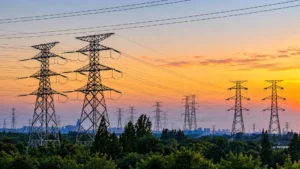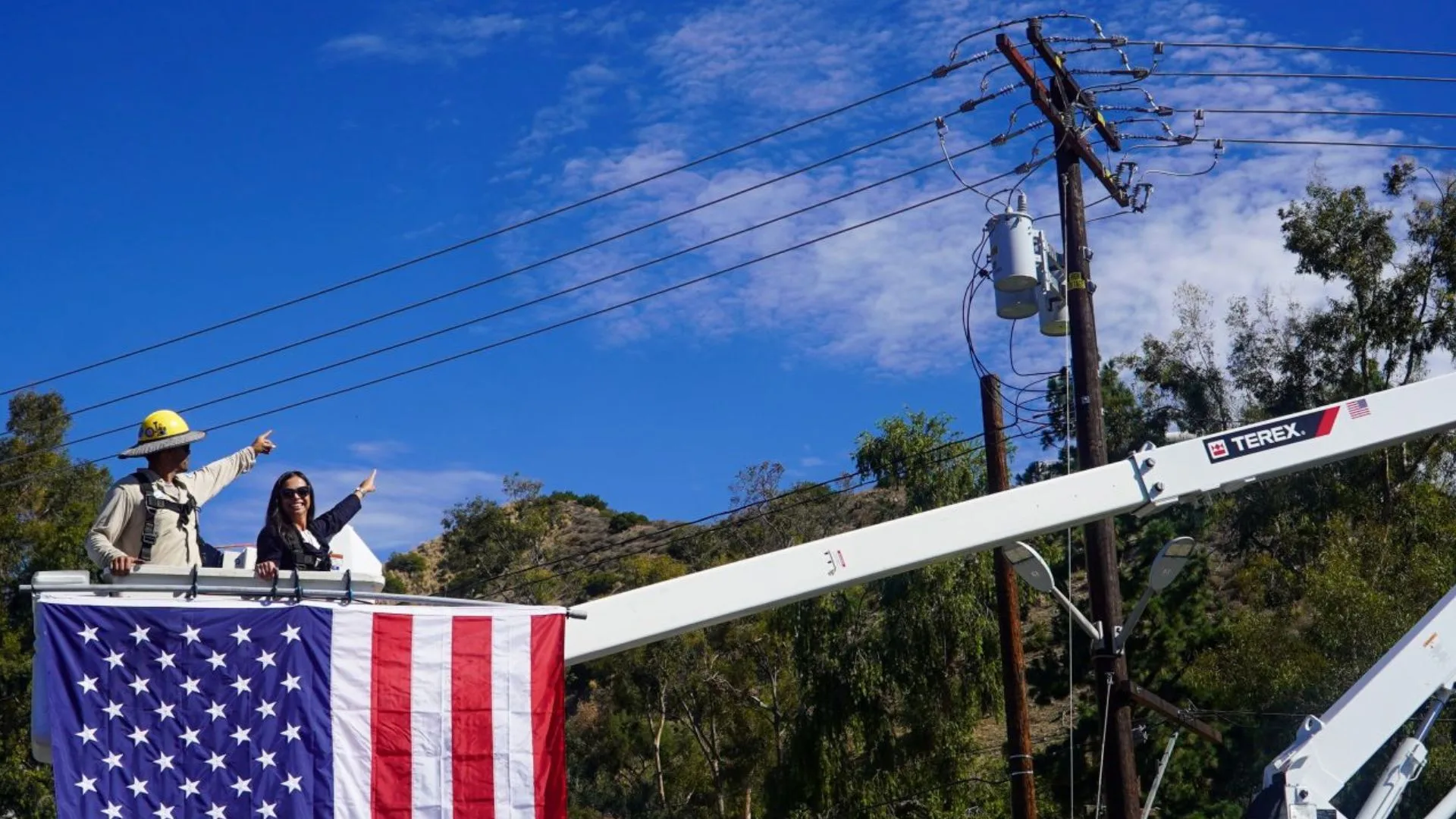
The U.S. Department of Energy issued an emergency order aimed at ensuring supply in the power grid of North Carolina and South Carolina. Through the application of Section 202(c) of the Federal Power Act, the energy authority authorized Duke Energy Carolinas to manage and coordinate additional generation resources.
Federal intervention in response to blackout risk in the Southeast
Accordingly, the directive enables the deployment of thermal and industrial backup systems before reaching or during the declaration of an Energy Emergency Alert level 3. The preventive measure responds to the formal request submitted by the private operator in mid-September.
Likewise, coordinated collaboration between the distribution company and transmission line owners seeks to stabilize high-voltage flow during peak demand periods. The measures adopted prioritize operational continuity of electric service for millions of residential, commercial, and industrial users in both states.
Critical factors in power grid capacity
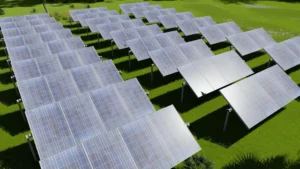
In this scenario, technical authorities identified an operational vulnerability caused by the seasonal reduction in daylight hours, which decreases the contribution of photovoltaic infrastructure. Additionally, regulatory entities such as the North American Electric Reliability Corporation had warned about the impact of high temperatures on systems with low baseload generation availability.
Furthermore, the Department of Energy emphasized the need to strategically utilize all available generation sources to prevent outages in residential and industrial service. According to official estimates from the federal agency, there are more than 35 gigawatts of unused installed reserve capacity nationwide.
Consequently, the implementation of these mitigation protocols reflects an immediate response posture to seasonal climate challenges and the transition of regional energy assets.
Source and photo: DOE