India is attempting to leverage one of its major geographical advantages into an industrial strategy. Odisha, one of the country’s leading mining states, is offering UAE companies simultaneous access to raw materials, port infrastructure, industrial processing, and East and Southeast Asian markets.
The proposal comes as logistical disruptions linked to the Middle East conflict force companies to reconsider their geographical exposure and supply chains.
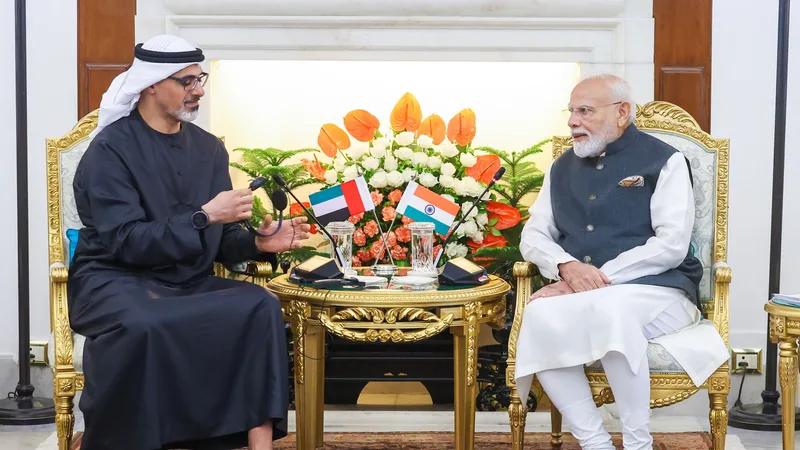
During an investment mission to the UAE, the Odisha government signed agreements with International Holding Company (IHC) and Adani Group to explore 14 projects with an indicative investment of approximately $25 billion.
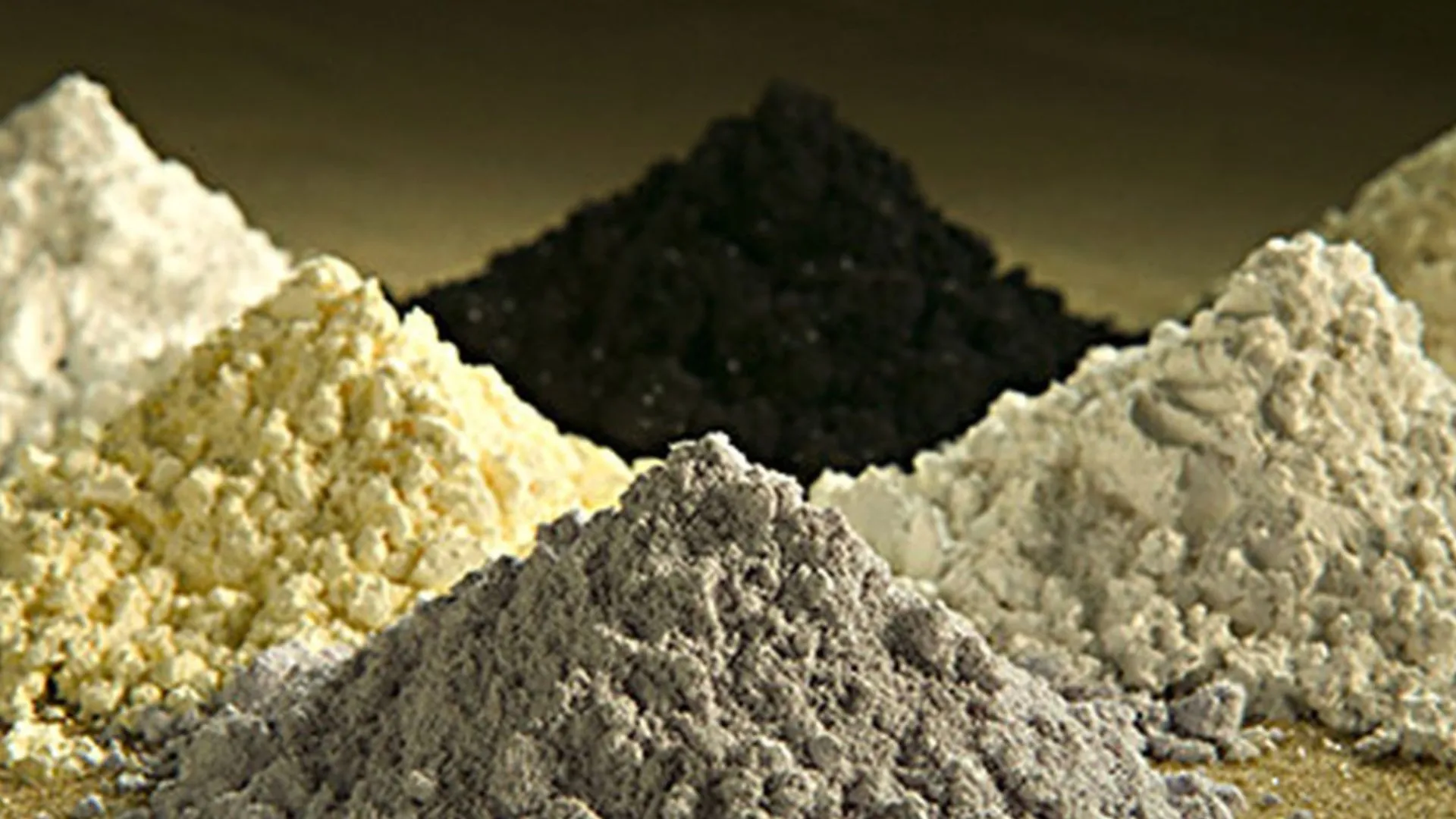
The portfolio includes critical minerals and rare earths, metal processing, chemicals and petrochemicals, renewable energy, shipbuilding, industrial infrastructure, and an AI data center.
From mineral to product: shifting the industrial model
The strategy is particularly relevant in the aluminum sector. In July, IHC and Adani Enterprises agreed to explore an integrated project valued at approximately $11.5 billion, designed to include a 4-million-ton-per-annum alumina refinery, a 2-million-ton-per-annum aluminum smelter, a 4,000 MW captive power plant, and a 1-million-ton-per-annum downstream manufacturing park.
The project’s architecture is more revealing than its financial value. The chain begins with the mineral resource and continues through refining, metallurgical processing, power generation, and manufacturing. Rather than exclusively exporting raw materials, the goal is to capture a larger share of the value within Odisha.
This model also modifies the role of ports. A port facility is no longer just an exit point for minerals or finished products but becomes part of an industrial logistics chain. Raw materials, energy inputs, equipment, and semi-finished products can circulate within a system connected to processing plants and external markets.
The UAE seeks to diversify geographical risk
Odisha’s proposal coincides with a broader transformation in the UAE’s trade strategy. Following logistical disruptions linked to regional conflict, companies and governments are placing greater importance on diversifying suppliers, shipping routes, and industrial locations.
In this scenario, Odisha’s position gains strategic value. The state is located on India’s eastern coast and offers access to a broad industrial and mining base, as well as connections to Indian Ocean and Asian markets. The logic is not necessarily to replace a specific route, but to build geographical redundancy within supply chains.
This concept is of growing importance for industries such as critical minerals, metals, chemicals, and renewable energy components. A chain designed around a single supplier, port, or logistics corridor may be efficient under normal conditions but remains vulnerable to geopolitical, energy, or maritime disruptions.
Critical minerals connect India and the UAE
The critical minerals component is particularly significant. International Resources Holding, part of the IHC ecosystem, operates under a model spanning from exploration and mining to the processing and distribution of strategic minerals. Its portfolio includes copper, cobalt, nickel, manganese, graphite, tin, tantalum, tungsten, and rare earths.
For Odisha, attracting this type of capital means attempting to develop the midstream and downstream stages of the mineral chain. For the UAE, it represents an opportunity to expand access to resources and industrial capabilities outside its territory. The relationship is shifting from a simple raw material procurement operation to something resembling an integration strategy between capital, resources, infrastructure, and manufacturing.
The project also aligns with Odisha’s long-term economic strategy. The state government aims to reach a $500 billion economy by 2036 and $1.5 trillion by 2047—goals that require a significant expansion of investment and productive capacity.
SOURCE and photo: https://www.agbi.com/