Electrification continues to gain ground within the world energy system however, network capacity and costs remain two of the main obstacles to accelerating its expansion.
The International Energy Agency (IEA) it maintains its confidence in this trend despite the uncertainty surrounding some investments linked to artificial intelligence.
During a press conference in Seoul, IEA Executive Director Fatih Birol noted that capital markets continue to support the push for greater electricity use. However, he cautioned that this growth must be accompanied by more infrastructure and competitive prices for consumers.
Electricity demand is growing faster than energy demand
According to Birol, the electricity demand it is growing three times faster than total energy demand, this shift is also reflected in the allocation of investments. This year, 61% of global energy investment has gone to the electricity sector, compared to 39% for fossil fuels.
The distribution of capital shows the growing importance of electricity generation, transmission and distribution networks, as well as the equipment needed to support an increasingly electrified energy system.
Power grids are one of the main obstacles
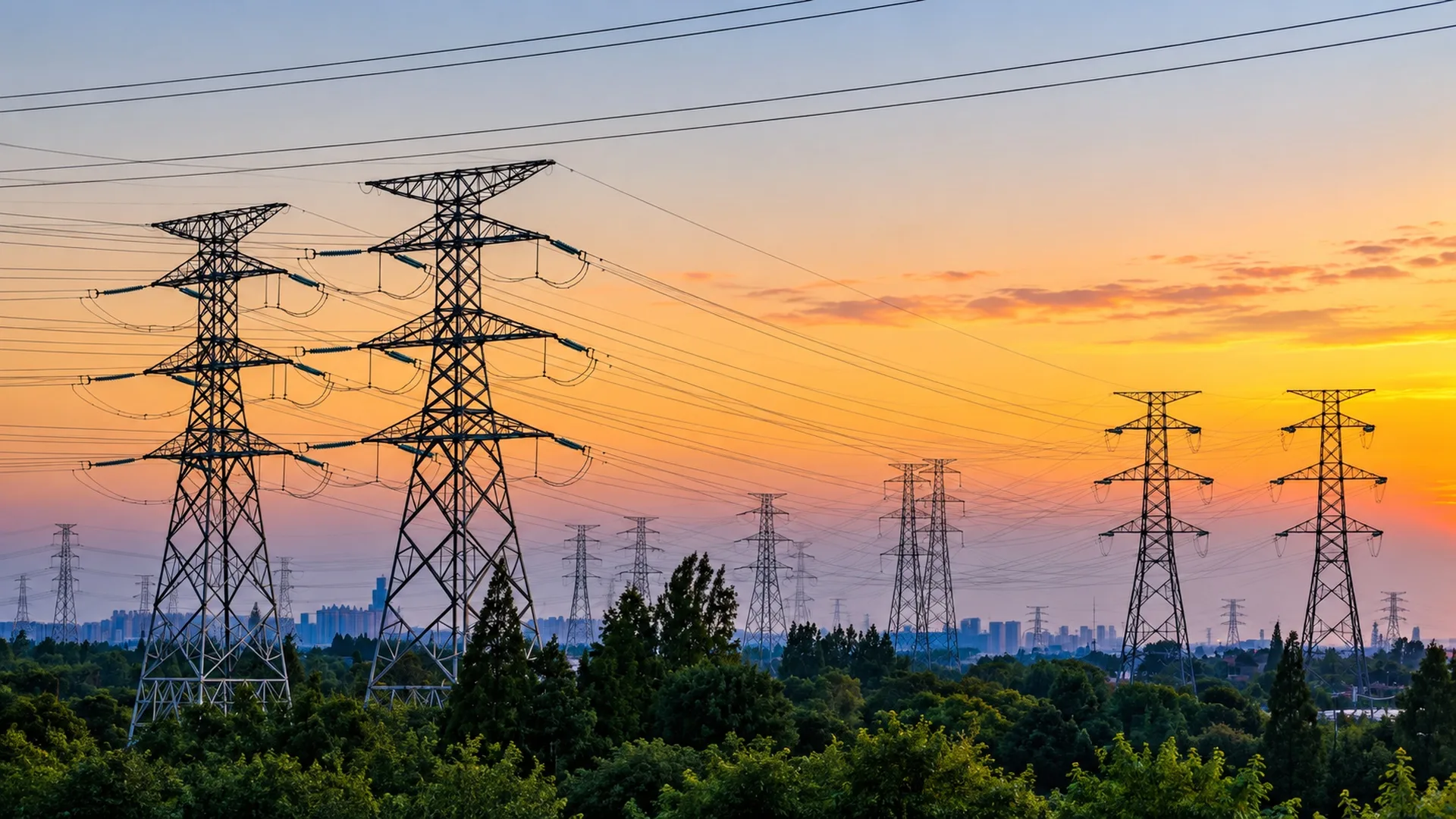
The growth in electricity demand, however, is also putting existing infrastructure to the test, Birol identified the capacity of electricity grids as one of the main challenges. In many regions, new generation facilities are being built faster than the infrastructure needed to connect them to consumption centers.
The second challenge is related to costs, for electrification to continue gaining ground, electricity must offer prices that allow it to compete with alternatives based on fossil fuels.
In this context, governments could use financing mechanisms and support for new investments to accelerate the expansion of electrical infrastructure and reduce some of the economic barriers.
South Korea and the IEA promote RISE ASIA
Birol statements coincided with the presentation of RISE ASIA a new energy security alliance promoted by South Korea and the IEA.
South Korean Energy Minister Kim Sung-whan explained that the initiative will initially seek to strengthen joint response capabilities to energy supply tensions caused by the war in Iran.
In the longer term, the program aims to support Asian economies in their transition from fossil fuels to greater use of electricity. South Korea and the IEA they plan to collaborate with other countries in the region to achieve a 35% electrification level by 2035. The goal is expected to be presented around the COP31 climate summit.
Southeast Asia is the focus of the IEA attention
Initially, much of the effort will be directed towards Southeast Asia, a region where the energy demand it continues to grow rapidly. South Korea could play an important role due to its industrial capacity to manufacture components needed to expand electrical systems.
These include batteries, cables and transformers, essential equipment for incorporating new generation and reinforcing transmission and distribution networks.
This manufacturing capacity could become a relevant support to meet the expected increase in electricity demand in Asia over the next few years.
The LNG market adds pressure to energy security
The push for greater electrification coexists, at the same time, with new pressures on the Asian liquefied natural gas (LNG) market.
Birol indicated that the war and its effects on Qatar are influencing the market, in addition to the increase in European LNG imports after Europe reduced its energy dependence on Russia.
A particularly cold winter in Europe could intensify competition between European and Asian buyers for available shipments, with potential effects on prices.
This pressure could be gradually relieved with the commissioning of new LNG projects in the United States, Canada, Australia and Malaysia.
For the IEA, the energy scenario thus combines two parallel needs, strengthening security of supply in the short term and expanding the role of electricity in the long term. The speed of this transition will depend, to a large extent, on how much is invested in electricity grids and the ability to maintain competitive prices for consumers.
Source: Reuters
Photo: Shutterstock