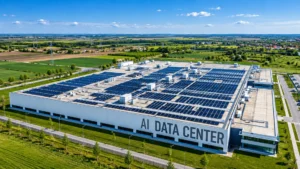
The accelerated growth of artificial intelligence is transforming the energy landscape of the United States. According to a new report from BloombergNEF (BNEF), data centers will account for nearly 20% of national electricity consumption by 2035, a figure that far exceeds the current 5.9% and demonstrates the growing demand for digital infrastructure.
According to the firm’s projections, these facilities will absorb approximately 12% of the country’s electricity by 2030 before reaching 20% five years later. States with high concentrations of data centers such as Virginia and Texas will experience an even greater share of their total electricity consumption.
The Expansion of Artificial Intelligence Drives New Energy Needs
The report estimates that energy demand from data centers will reach 194 gigawatts (GW) by 2035, representing an 83% increase over the forecast published by BloombergNEF in December. This adjustment responds to the increase in infrastructure projects designed to support artificial intelligence applications over the next decade.
One gigawatt is approximately equivalent to the generation capacity of a conventional nuclear reactor, which allows the magnitude of the projected growth for this sector to be understood.
Electrical Grids Face Growing Pressure
Likewise, the increase in demand is placing significant pressure on U.S. electrical grids, which for years recorded relatively stable growth. The development of large technology complexes forces electrical operators and energy companies to expand generation capacity and accelerate new grid connections.
Lloyd Arnold, BloombergNEF analyst and co-author of the report, explained that approximately one out of every five units of energy generated by coal plants, gas plants, or solar farms could be allocated to supply data centers by 2035. This situation increases competition for electricity supply with other sectors such as electric transportation and urban areas.
Virginia and Texas Will Concentrate Much of the Growth
The regions operated by PJM Interconnection, which covers 13 states including northern Virginia, known as Data Center Alley, along with the Electric Reliability Council of Texas (ERCOT), will concentrate a significant portion of the increase in electricity consumption associated with these facilities.
BloombergNEF warns that even maintaining the current record pace of connecting new data centers—7.1 GW per year—an estimated deficit of 19 GW by 2035 will persist within its base scenario.
Developers Face New Challenges
In addition to the energy challenge, sector growth faces regulatory and social obstacles. Various local governments have suspended permits for new projects while concerns related to environmental impact, intensive resource use, and the capacity of electrical infrastructure to sustain the anticipated development are increasing.
Given this scenario, companies are exploring alternatives such as incorporating their own electricity generation through gas plants and other solutions that allow reducing pressure on public grids. The evolution of these strategies will be critical to support the growth of artificial intelligence and ensure reliable energy supply over the next decade.
Source: Energy Connects
Photo: Shutterstock