Dangote Refinery it is transforming Nigeria’s fuel trade by increasing the availability of refined products for the domestic market and exports. Since 2023, the country’s seaborne shipments of petroleum products have increased sevenfold, with supplies to Europe and other African markets growing.
According to Vortexa data cited by the U.S. Energy Information Administration (EIA), Nigerian maritime shipments of petroleum products averaged 561,000 barrels per day during the second quarter of 2026, compared to the annual average of 79,000 barrels per day recorded in 2023.
Of that volume, around 350,000 barrels per day corresponded to exports during the second quarter of 2026. The figure represents a sharp increase compared to the annual average of 46,000 barrels per day recorded three years earlier.
Dangote refinery increases its capacity to 700,000 barrels per day
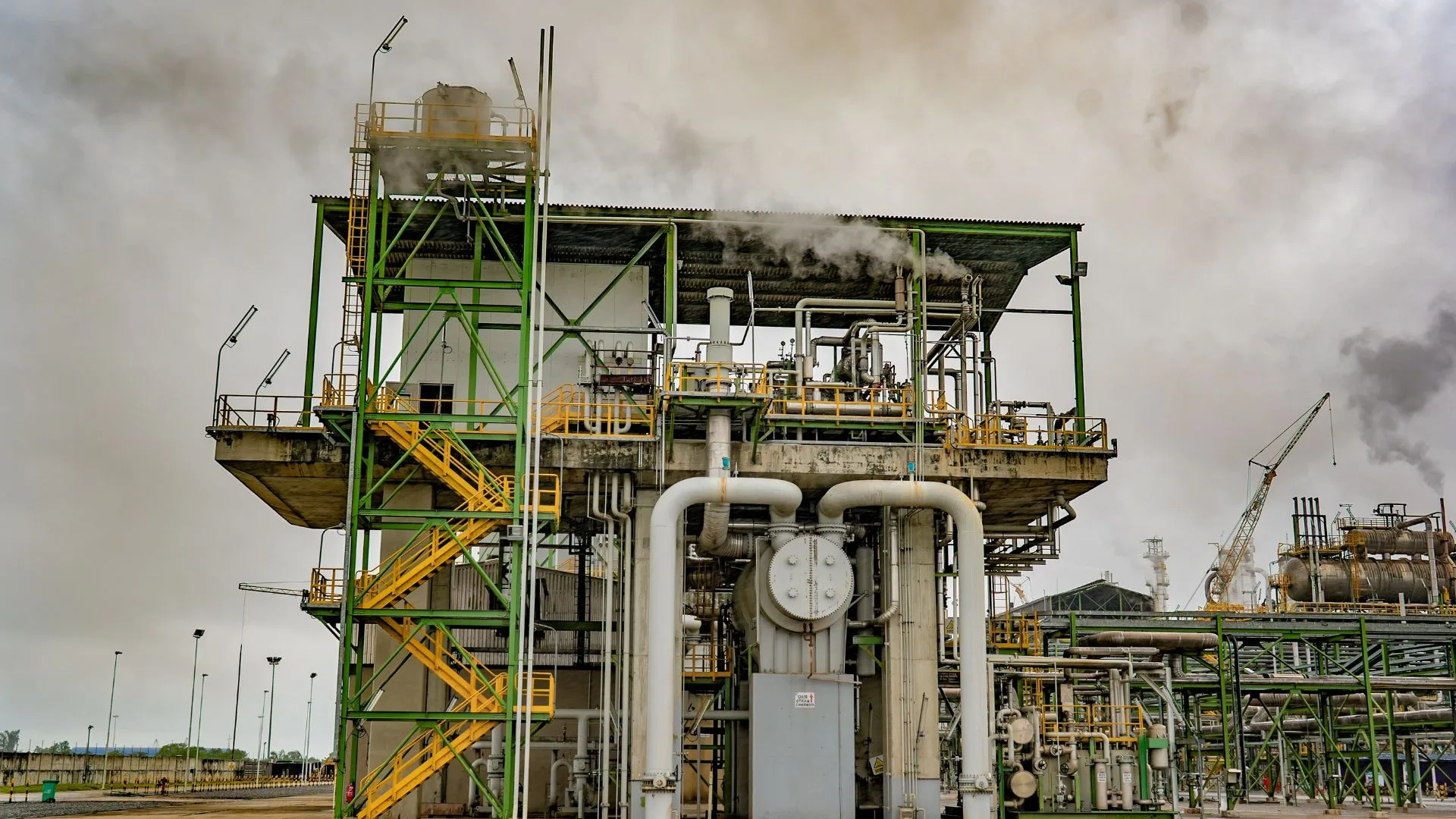
Meanwhile, the Dangote Refinery began operations in 2024 in the Lekki Free Zone, near Lagos. The Dangote Group facility is the Nigeria’s largest refinery and its increasing production is altering the country’s fuel trade flows. Furthermore, maintenance and expansion work completed in February 2026 increased the plant’s crude distillation capacity from 650,000 to 700,000 barrels per day.
The completion of those works coincided with restrictions in the supply from the Strait of Hormuz in this context, the increase in Nigerian production has allowed for greater availability of refined products and strengthened shipments to international markets. Furthermore, the increased refining capacity is reducing Nigeria’s dependence on imported fuels. The country is a major oil producer but for years has needed to purchase refined products from abroad to meet part of its demand.
Nigeria imported close to 400,000 barrels per day of petroleum products in 2023 however, maritime imports fell to less than 130,000 barrels per day during the second quarter of 2026.
Europe and Africa receive more refined products from Nigeria
Meanwhile, Europe has become one of the main destinations for Nigerian export growth, maritime shipments of petroleum products to the continent reached 130,000 barrels per day during the second quarter of 2026 the figure contrasts with the 40,000 barrels per day recorded in 2025 and the 15,000 barrels per day in 2023. This evolution shows how the new refining capacity is expanding Nigeria’s presence in the international petroleum products market.
On the other hand, exports to other African countries increased to almost 120,000 barrels per day compared to 89,000 barrels per day the previous year. The increase reinforces Nigeria’s position as a regional supplier of refined fuels. The domestic market also received higher volumes. Shipments within Nigeria reached 211,000 barrels per day in the second quarter of 2026, compared to 81,000 barrels per day in 2025 and 33,000 barrels per day in 2023.
Nigeria reduces its dependence on imported fuels
Finally, the increased production at the Dangote Refinery is narrowing the gap between Nigeria’s crude oil extraction and its processing capacity, oil within the country. For the African downstream sector, the change means greater regional availability of refined products and less need for Nigeria to rely on external markets for supplies.
According to the EIA, the increased supply from the refinery has contributed to both a drop in imports and a rise in exports. In this way, Nigeria is moving toward greater self-sufficiency in refined petroleum products while increasing its sales to Africa and Europe.
Source: Reuters
Photo: Shutterstock