AsInt introduces AsInt Edge to optimize risk-based inspection
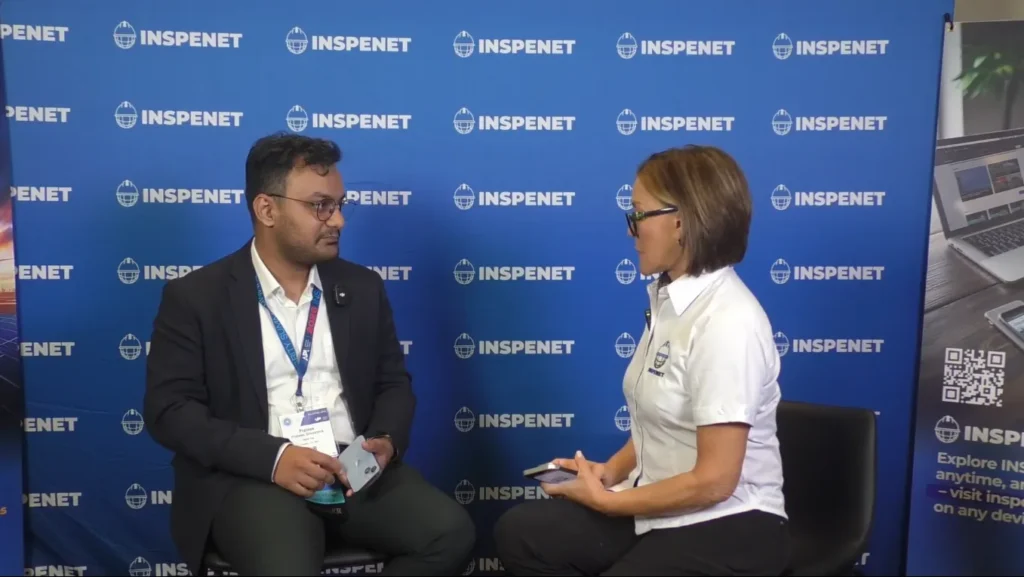
Risk-based inspection (RBI) has been part of the asset management strategy for decades in industries such as oil and gas, petrochemicals, and power generation. However, many organizations continue to limit its application to simply implementing software or calculating the next inspection date. During API Summit 2026, Prateek Srivastava, Principal Solutions Engineer at AsInt , explained how the company aims to change this perspective with AsInt Edge, a platform designed to integrate the entire inspection management lifecycle and facilitate decision-making.
An RBI program requires much more than a tool
risk-based inspection programs is to consider that the project ends when the software is installed.
Based on AsInt's experience, the organizations that achieve the best results develop a comprehensive program that integrates the inspection strategy, continuous information updates, the participation of inspectors, corrosion specialists, and the other actors involved in asset management.
The goal is to maintain a dynamic strategy that evolves alongside the operating conditions of each facility. To achieve this, having reliable information is essential from the outset of the project.
The engineer pointed out that many companies are experiencing difficulties related to the quality of data stored in their corporate systems. This situation directly impacts the quality of analyses and, consequently, the decisions made during operations.
Data quality as the basis for decision-making
One of the central messages of the interview was the importance of building a solid information base before automating processes.
Srivastava pointed out that many customers store some of their data on ERP platforms , although they do not always have complete or sufficiently structured information to develop an effective RBI program.
From AsInt's perspective, having accurate data on pressure, temperature, equipment design, and operating conditions is the starting point for obtaining consistent assessments and inspection strategies tailored to the actual risk of the assets.
This approach positions data quality as a fundamental element for improving the reliability of technical decisions throughout the entire life cycle of industrial facilities.
AsInt Edge integrates all phases of the process
During the conversation, Srivastava described how AsInt Edge has been designed to adapt to organizations with very different needs.
The platform allows an independent consultant to import information, perform an RBI analysis, and generate a report for their client without needing to use additional functions.
At the same time, large companies can extend that same workflow to broader corporate processes by generating work orders or notifications directly connected to their enterprise management systems.
As the engineering manager explained, AsInt Edge begins this process by incorporating the operational and design data of the equipment. Subsequently, the platform performs the risk analysis and generates the necessary documentation for each work scenario.
When an organization requires complete integration, the solution connects with ERP platforms. Currently, AsInt initially works with SAP and IBM Maximo to cover the operational cycle from technical assessment to the execution of actions derived from the inspection strategy.
This approach allows different professional profiles to work in the same environment, regardless of the size of the organization or the degree of digitization that exists.
Artificial intelligence integrated into the workflow
Another aspect addressed during the interview was the role of artificial intelligence within AsInt Edge.
Instead of developing a standalone AI-based function, the company has chosen to incorporate this technology as a permanent layer of assistance that accompanies the user throughout the entire work process.
While inspectors and analysts conduct their assessments, the system provides recommendations, facilitates technical analysis, and helps build inspection strategies based on available information.
Srivastava explained that this approach aims to turn artificial intelligence into a continuous support for specialists, preventing it from being perceived as an isolated tool that only intervenes at specific moments in the process.
In this way, technology complements the experience of professionals without replacing the technical criteria that continues to be the main element in decision-making.
Flexibility to reduce the complexity of implementations
The implementation of new platforms often generates uncertainty within industrial organizations. According to Srivastava, many companies approach asset management projects with concern due to the complexity of the adoption processes.
Faced with this scenario, AsInt proposes a strategy based on flexibility.
Instead of offering a single, closed implementation model, the company allows each client to adapt the platform to their own work strategy.
The interviewee emphasized that the company supports organizations throughout the entire process, facilitating the gradual incorporation of functionalities and reducing the sense of risk that usually accompanies this type of project.
This approach aims to ensure that the solution adapts to the client's way of working, and not the other way around.
Furthermore, AsInt Edge's scalable architecture allows for expanded capabilities as the needs of each organization evolve.
An open platform for the future
Beyond current functionalities, AsInt is also working on a long-term evolutionary vision for its platform.
Srivastava explained that the initial goal was to simplify customers' daily work; however, the company is considering expanding the scope of AsInt Edge to make it an open environment where third parties can incorporate new products and services.
The idea envisions that organizations with specific methodologies or specialized developers can provide solutions tailored to different markets and industrial sectors.
Although this strategy is still in the definition phase within the company, it reflects the intention to build a collaborative ecosystem capable of responding to very diverse needs without being limited to a single technological approach.
Engineering and technology as pillars of AsInt
The company focuses on mechanical integrity, risk management, and operational excellence for asset-intensive industries. Its approach combines engineering expertise with digital tools to help identify risks early, prevent failures, and improve operational reliability.
According to the company's corporate information, its solutions are primarily aimed at sectors such as oil and gas, petrochemicals, energy, the chemical industry, and other activities where asset availability is critical.
AsInt also upholds a principle that guides the development of all its products: engineering must precede technology. This philosophy aims to ensure that each solution responds to real operational needs rather than software trends.
A vision focused on facilitating asset management
Prateek Srivastava's presentation at API Summit 2026 highlighted that AsInt's objective goes beyond the development of a risk-based inspection tool.
The company is committed to a model in which data quality, process integration, the participation of different technical teams, and the progressive incorporation of artificial intelligence allow for the construction of more consistent and adaptable asset management strategies.
With AsInt Edge, the company aims to offer a platform capable of supporting organizations of different sizes throughout all phases of the RBI program, while maintaining the flexibility needed to respond to the technological and operational evolution of the industry.
For more content about API Summit 2026, visit our LinkedIn profile.
Source: Inspenet.