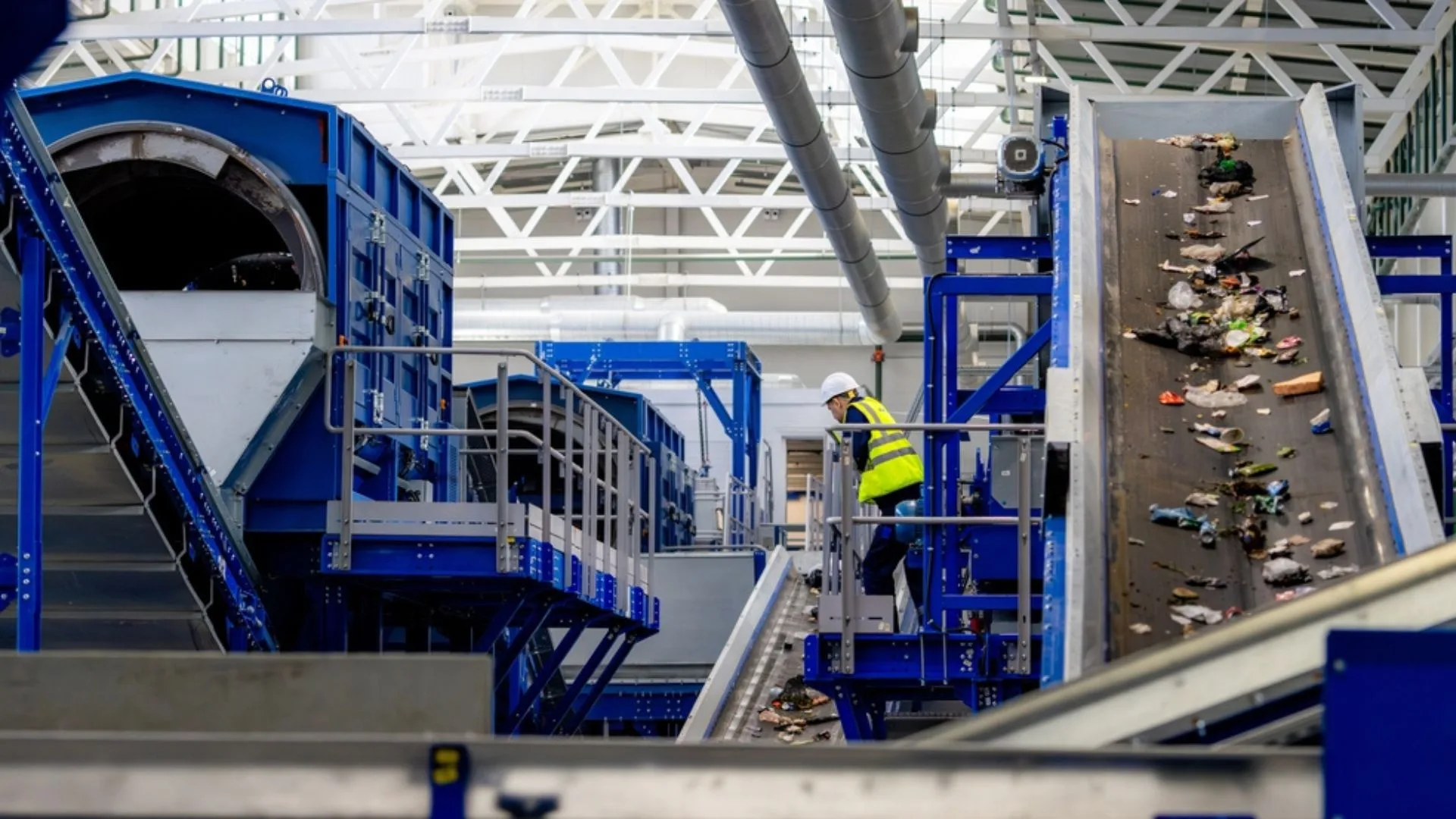
Elsa Recycling has replaced two diesel generators with hydrogen power units integrated with solar generation and the grid at its Stockport plant in the UK. The system covers periods of high energy demand for recycling operations without relying on diesel equipment.
The facility processes plastic, paper, and cardboard waste using equipment that requires a high electricity supply. With the new configuration, hydrogen units provide additional power when demand exceeds the available capacity from other sources.
Hydrogen, Solar Power, and Grid Supply Recycling Plant
The system, developed in conjunction with GeoPura and Geo Green Power, combines GeoPura’s hydrogen power units with the existing electrical connection and solar panels at Elsa Recycling.
This allows the plant to distribute its consumption across three energy sources. On-site solar electricity is utilized alongside available grid capacity, while hydrogen units primarily intervene during peak demand.
The configuration replaces two 400 kVA diesel generators that previously fulfilled this function. Thus, Elsa Recycling can maintain essential equipment in operation without depending on auxiliary diesel generation.
According to project sources, this is the first recycling plant in the UK to adopt this combination of hydrogen, solar power, and grid electricity to eliminate the use of diesel generators.
Peak Demand is a Recycling Challenge
Furthermore, energy consumption represents a significant factor for facilities dedicated to waste treatment. Equipment such as shredders, balers, and sorting systems require considerable amounts of electricity during operation.
The sector uses approximately 2.5 TWh of electricity annually in the UK, according to data released with the project. This demand requires plants to manage both continuous consumption and specific power surges.
In Stockport, the hydrogen power units function as support during these periods. This allows for the utilization of existing electrical infrastructure and solar generation without having to resort to the old generators.
Gordon Anderson, Head of Development at Elsa Recycling, explained that the objective was to manage increased electricity demand by better utilizing the existing grid connection and the investment made in solar energy.
Elsa Recycling Aims to Eliminate Diesel from Operations
Additionally, the change modifies how the plant covers its additional electricity needs. By removing the two 400 kVA generators, the facility reduces its exposure to consumption and fluctuations in diesel prices.
The system also seeks to reduce emissions associated with auxiliary power generation. Consulted sources indicate that the new configuration will allow for a reduction in CO₂ emissions and an improvement in air quality, although they do not specify an annual reduction figure.
Likewise, the integration of multiple sources provides the facility with greater flexibility to respond to changes in consumption without compromising recycling processes.
Model Could Extend to Other Plants
Finally, GeoPura believes that the configuration applied in Stockport can be used as a reference for other industrial facilities with high electricity needs and limitations in their grid connection.
Matt Barney, Vice President of Strategic Partnerships at GeoPura, noted that the model has potential within the recycling sector and other energy-intensive industries.
Elsa Recycling’s experience thus presents an alternative for facilities that need to cover consumption peaks while seeking to reduce the use of fossil fuels. In this scheme, hydrogen functions as a backup to solar and grid electricity to maintain the continuity of industrial processes.
Source: Energy Live News
Photo: Shutterstock