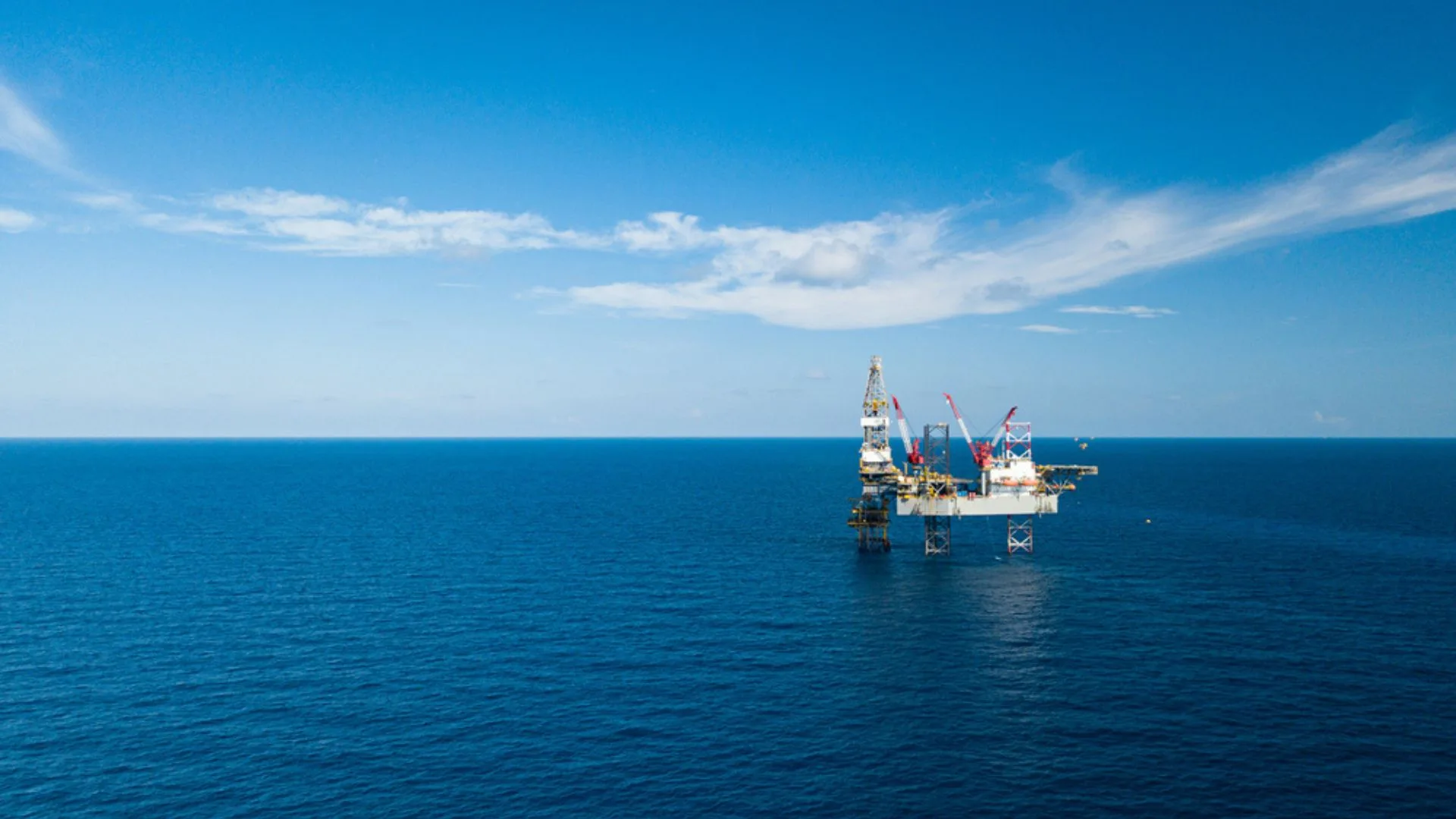
Andy Burnham is preparing a shift in UK energy policy by supporting new oil and gas drilling in the North Sea. The move could include approving the Rosebank and Jackdaw projects, as well as expanding subsea connections linked to existing facilities.
According to available information, the future prime minister’s team asked the civil service to draw up plans to fast-track production projects off the coast of Scotland. However, there is still no final decision, and ongoing regulatory processes could delay any formal authorization.
Rosebank and Jackdaw at the center of the energy debate
Rosebank is an oil field located west of the Shetland Islands, while Jackdaw is a gas project located in the British sector of the North Sea. Both developments hold licenses granted under the previous Conservative government.
For this reason, any eventual approval would not necessarily imply the issuance of new exploration licenses. The Labour Party pledged to honor existing concessions, although it maintains its promise not to grant new permits to search for hydrocarbons.
This point will be key to Burnham’s political strategy. His government could present the measure as speeding up projects already authorized, rather than as a formal break with Labour’s election platform.
Adura drives offshore projects
The fields are operated by Adura, the joint venture created by Shell and Equinor to integrate part of their activities in the British North Sea.
The company argues that Rosebank and Jackdaw can generate jobs, industrial contracts, and tax revenues. It also states that both projects would help sustain domestic energy production during a period marked by the natural decline of mature fields.
According to estimates shared by Adura, Rosebank could contribute close to 10% of oil production on the UK Continental Shelf. The company also notes that the two projects could represent around 10% of national gas production.
Likewise, the development of these facilities could support thousands of direct and indirect jobs and open up new technical training opportunities in Scotland.
Authorizations remain under review
The future of Rosebank and Jackdaw remains contingent on court decisions and public consultations.
A court overturned the previous authorizations after finding that the environmental assessments had not adequately addressed all emissions linked to the end use of the oil and gas produced. As a result, the projects must complete new review processes before receiving final approval.
Ongoing public consultations represent another factor of uncertainty. The new government could express political backing and speed up procedures, but final authorization will have to comply with current administrative and environmental processes.
In addition, the decision will largely rest with the person Burnham appoints to lead UK energy policy.
North Sea drilling reopens the energy debate
Supporters of drilling argue that increasing domestic production can reduce reliance on imports and improve energy security during months of higher demand.
They also argue that the UK will continue to consume oil and gas during its transition to lower-emission sources. From this perspective, producing some of those resources in British waters would help preserve jobs and industrial activity.
By contrast, environmental organizations and left-wing sectors of the Labour Party question the real effect of these projects on energy bills. They also warn that higher fossil fuel production could make it harder to meet net-zero targets.
The debate includes another technical issue: much of the crude produced in the North Sea is sold on international markets. Therefore, higher domestic extraction does not, by itself, guarantee a direct reduction in the price paid by British consumers.
Burnham faces a politically sensitive decision
Backing Rosebank and Jackdaw could win support from unions, energy companies, and Scottish Labour MPs concerned about jobs in Aberdeen and other areas tied to the offshore industry.
Sharon Graham, general secretary of Unite the Union, has criticized the restriction on new licenses and believes that policy could accelerate the loss of industrial jobs. Rachel Reeves has also expressed willingness to support exploration in both fields.
On the other hand, climate groups could step up their opposition if Burnham adopts a stance in favor of oil and gas drilling in the North Sea.
The next prime minister will have to balance security of supply, jobs, domestic hydrocarbon production, and the UK’s environmental commitments. His position on Rosebank and Jackdaw will shape one of his government’s first energy decisions.
Source: CityAM
Photo: Shutterstock