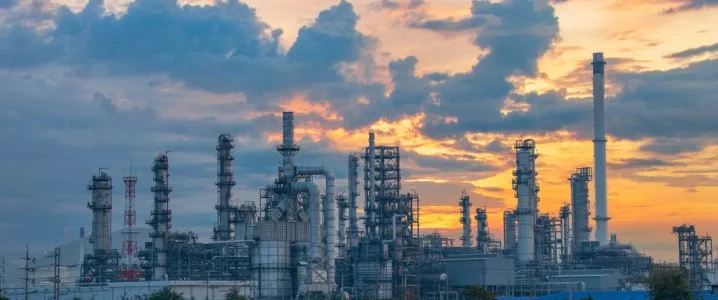
Goldman Sachs warns that the growing diesel shortage is starting to shift pressure onto gasoline, as refineries adjust to maximize distillate output.
The global refined fuels market is entering a new phase of strain. Goldman Sachs maintains its view that diesel will continue to face constrained supply, but it now sees greater upside potential in European gasoline through mid-2027. The shift reflects a technical consequence of refineries’ own efforts to respond to the diesel shortfall.
Refineries are shifting their production balance
According to Goldman Sachs commodities analysts, shifting refinery yields from gasoline to diesel is driving a rapid decline in gasoline availability.
The bank, which for months had focused its strategy on diesel crack spreads, now recommends long positions in European gasoline futures with a horizon through mid-2027.
The situation highlights a core feature of crude processing: a refinery cannot increase output of one fuel indefinitely without changing the balance of other products.
Unit configuration, crude quality, yields, and operating constraints determine how much gasoline and distillates can be produced from each barrel.
That is why the diesel shortfall is creating a second source of pressure on the market. Refineries are trying to respond to the distillate shortage, but that optimization can simultaneously reduce the relative availability of gasoline and lift its margins.
The problem starts with refining capacity
Goldman Sachs had already identified diesel as the focal point of the current constraint in the petroleum products market. Disruptions at refining facilities in the Middle East and Russia have reduced available supply, while increased output from the Americas and Africa would have offset only part of the lost volumes.
By late August, refinery disruptions were running about 60% above the seasonal average, according to analysts cited by OilPrice. The result is a refined products market that is considerably tighter than the crude market, a gap that can amplify price moves when inventories fall.
The pressure is not confined to one region either. Europe relies on international flows of refined products to balance consumption, so disruptions at large refining complexes can quickly shift regional crack spreads.
Shortages can shift between fuels
Goldman Sachs’ new read offers a relevant industrial lesson: a supply crisis does not necessarily remain concentrated in the product that initially shows the deficit. When refineries adjust operations in response to a market signal, they can transfer part of the pressure to another product.
This dynamic makes refinery configuration a strategic variable in the energy market. An outage, a feedstock shift, an operating constraint, or a deliberate yield change can simultaneously disrupt multiple product markets.
SOURCE and PHOTO: https://oilprice.com/