The transaction strengthens the divestment plan of BP, improves its cash flow and supports the goal of reducing billions of dollars in structural costs by 2027.
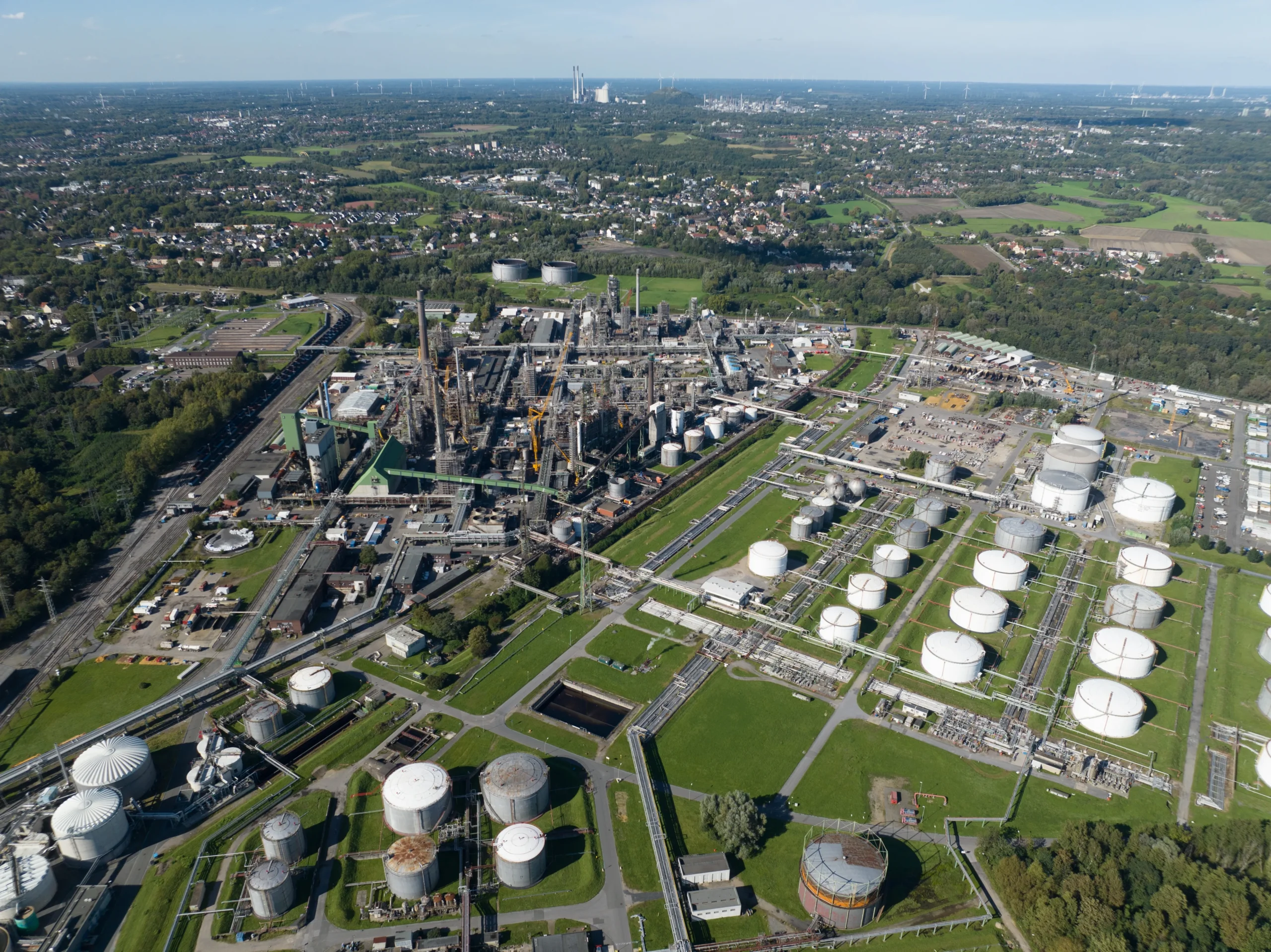
BP completed the sale of its Gelsenkirchen refinery in Germany, to the group of Klesch investment, an operation that represents a new step forward in the strategy of simplifying its asset portfolio and strengthening its financial performance.
Although the companies did not disclose the value of the transaction, BP reported that the deal increases free cash flow and transfers the assets and liabilities associated with the facility to the buyer. The company also anticipates an approximate $1 billion reduction in its underlying operating expenses as a result of this divestment.
The sale boosts the cost-cutting plan
The transaction is part of the $20 billion divestment program that BP It is developing strategies to reduce its debt and increase profitability. As a result, the company raised its target for structural cost reductions to a range of between $6.5 billion and $7.5 billion by 2027.
Over the past year, the oil company has carried out a broad reorganization of its operations with the aim of concentrating investments in those businesses where it believes it has the greatest competitive advantages. This process also includes the recently announced intention to market its assets in the North Sea.
A more focused refining portfolio
The Gelsenkirchen refinery has the capacity to process approximately 12 million metric tons of crude oil per year. Following the completion of the transaction, BP maintains five refining facilities within its international network: Cherry Point and Whiting in the United States, as well as Castellón, Lingen, and Rotterdam in Europe.
Richard Harding, interim executive vice president of BP’s refining and marketing business, said the divestment allows the company to concentrate capital on assets where it can compete more efficiently and build a stronger downstream business.
Lower financial burden and greater flexibility
Market analysts believe the sale also improves the company’s financial position. Lydia Rainforth of Barclays had estimated that the transaction would allow the company to remove between $1.3 billion and $1.7 billion in liabilities related to the refinery from its financial statements.
With this decision, BP continues to implement a strategy aimed at strengthening cash flow, optimizing its cost structure, and focusing its investments on projects with the greatest potential to generate value for shareholders, while redefining the size and composition of its international business. The coverage analyzed consistently highlights this approach of simplification and capital discipline.
Source: Reuters
Photo: Shutterstock