Table of Contents
- The United Kingdom reconsiders North Sea offshore projects
- Rosebank and Jackdaw stand out among North Sea offshore projects
- Energy security returns to the center of the debate
- The regulatory process will still define the future of the projects
- North Sea offshore projects maintain their relevance for Europe
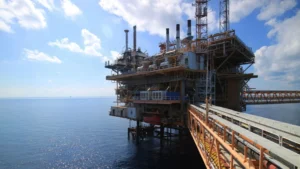
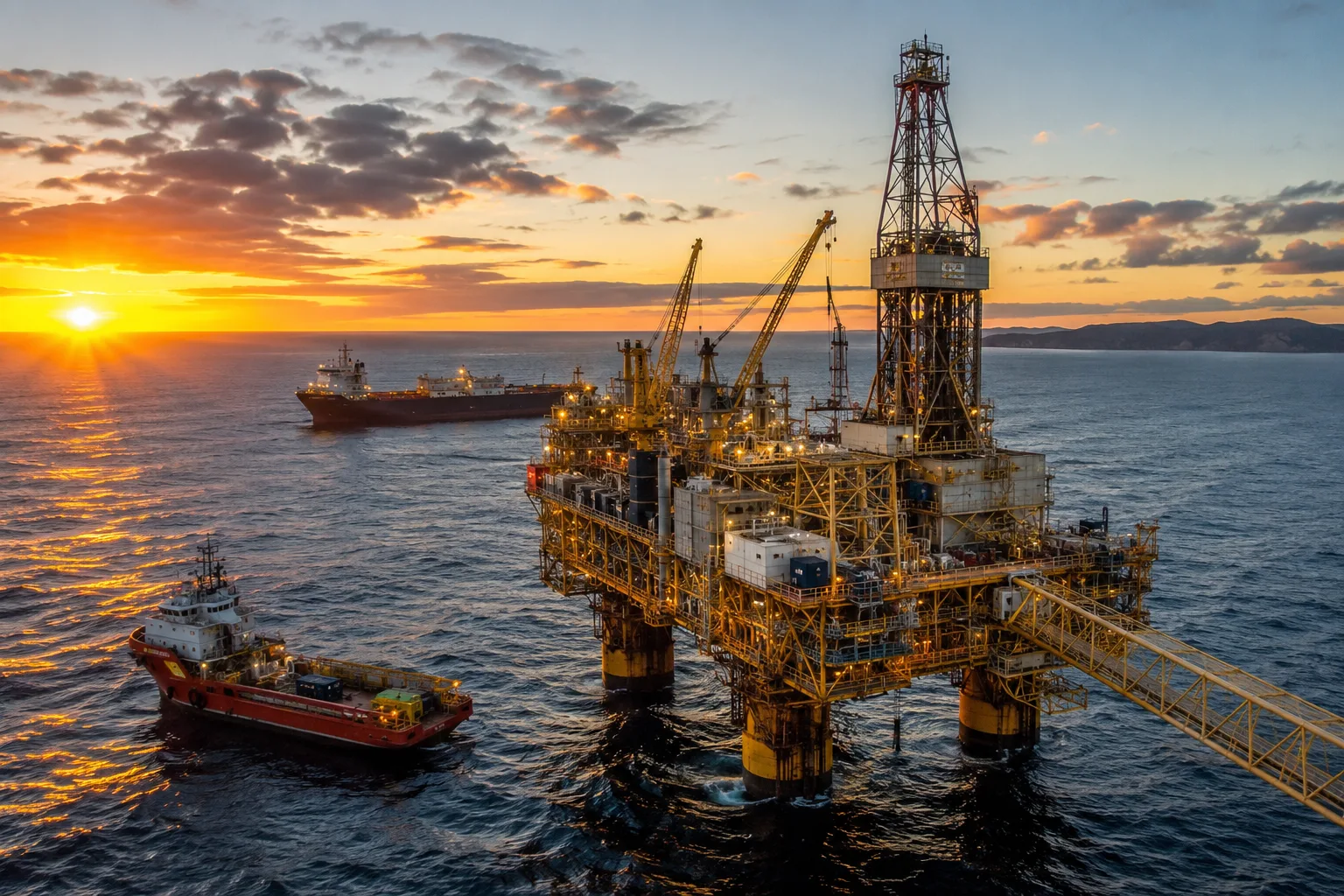
North Sea offshore projects are once again positioned as a strategic priority for the United Kingdom after the new government signaled support for key developments such as Rosebank and Jackdaw. Although regulatory decisions are not yet final, the shift in stance could accelerate investments in exploration and production, strengthen energy security, and provide a new boost to the British offshore industry’s activity.
The United Kingdom reconsiders North Sea offshore projects
After years of intense debate regarding the balance between climate goals and energy supply security, the United Kingdom may adopt a more favorable position toward the development of new projects in the North Sea. Various reports indicate that the new administration is analyzing how to facilitate the progress of previously authorized initiatives that remain stalled due to judicial processes and regulatory reviews.
Eventual political support would not imply the immediate opening of new developments, as both Rosebank and Jackdaw remain subject to public consultations and administrative procedures. However, a favorable signal from the Executive could reduce uncertainty for operators and investors closely monitoring the evolution of the British regulatory framework.
Rosebank and Jackdaw stand out among North Sea offshore projects
Among the initiatives garnering the most attention are Rosebank, considered one of the largest pending oil developments in British waters, and Jackdaw, a project focused on natural gas production. Both are part of Adura’s operational portfolio, a joint venture created by Shell and Equinor to integrate their North Sea operations.
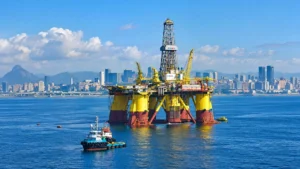
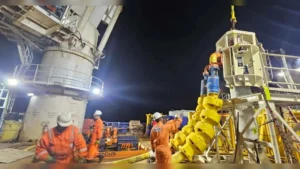
These initiatives represent strategic assets for maintaining domestic hydrocarbon production in a scenario where numerous mature fields continue to record a natural decline. Their development would also contribute to sustaining the activity of drilling, engineering, construction, inspection, maintenance, and specialized services companies that form part of the offshore supply chain.
In addition to large-scale developments, the government is also studying the expanded use of so-called tie-backs, connections that allow new wells to be linked to existing infrastructure. This strategy reduces investment in new facilities, shortens development times, and improves the profitability of resources near already operational platforms.
Energy security returns to the center of the debate
The possible shift in energy policy coincides with an international context marked by market volatility and concerns over ensuring reliable oil and gas supplies. In this scenario, various industrial sectors believe that maintaining solid national production can contribute to reducing dependence on imports and reinforcing the resilience of the British energy system.
Proponents of offshore development argue that leveraging available resources in the North Sea allows for meeting energy demand while advancing the transition toward lower carbon intensity sources. From this perspective, domestic production also offers economic advantages by preserving investments, specialized employment, and industrial capabilities accumulated over decades.
The regulatory process will still define the future of the projects
Although industry expectations have increased, the final approval of Rosebank and Jackdaw will depend on the outcome of public consultations and ongoing legal evaluations. Both projects had previously received authorizations, but these were annulled following judicial decisions that required a review of the environmental procedures applied.
As a result, any progress will require completing the regulatory stages again before starting definitive development.
Meanwhile, companies, contractors, and industrial associations continue to closely follow government decisions, aware that the outcome could influence future investments within the UK Continental Shelf.
North Sea offshore projects maintain their relevance for Europe
Beyond the impact on the United Kingdom, the evolution of these developments is also being observed by the European energy market. Continued production in the North Sea can contribute to sustaining regional oil and gas supplies during the energy transition, while keeping active one of the offshore basins with the most infrastructure and operational experience in the world.
In a context where energy security remains a priority for many European countries, the decisions the United Kingdom adopts regarding these projects could set the course for future offshore investments and redefine the role of the North Sea within the region’s energy balance.
Source: CITYAM