Table of Contents
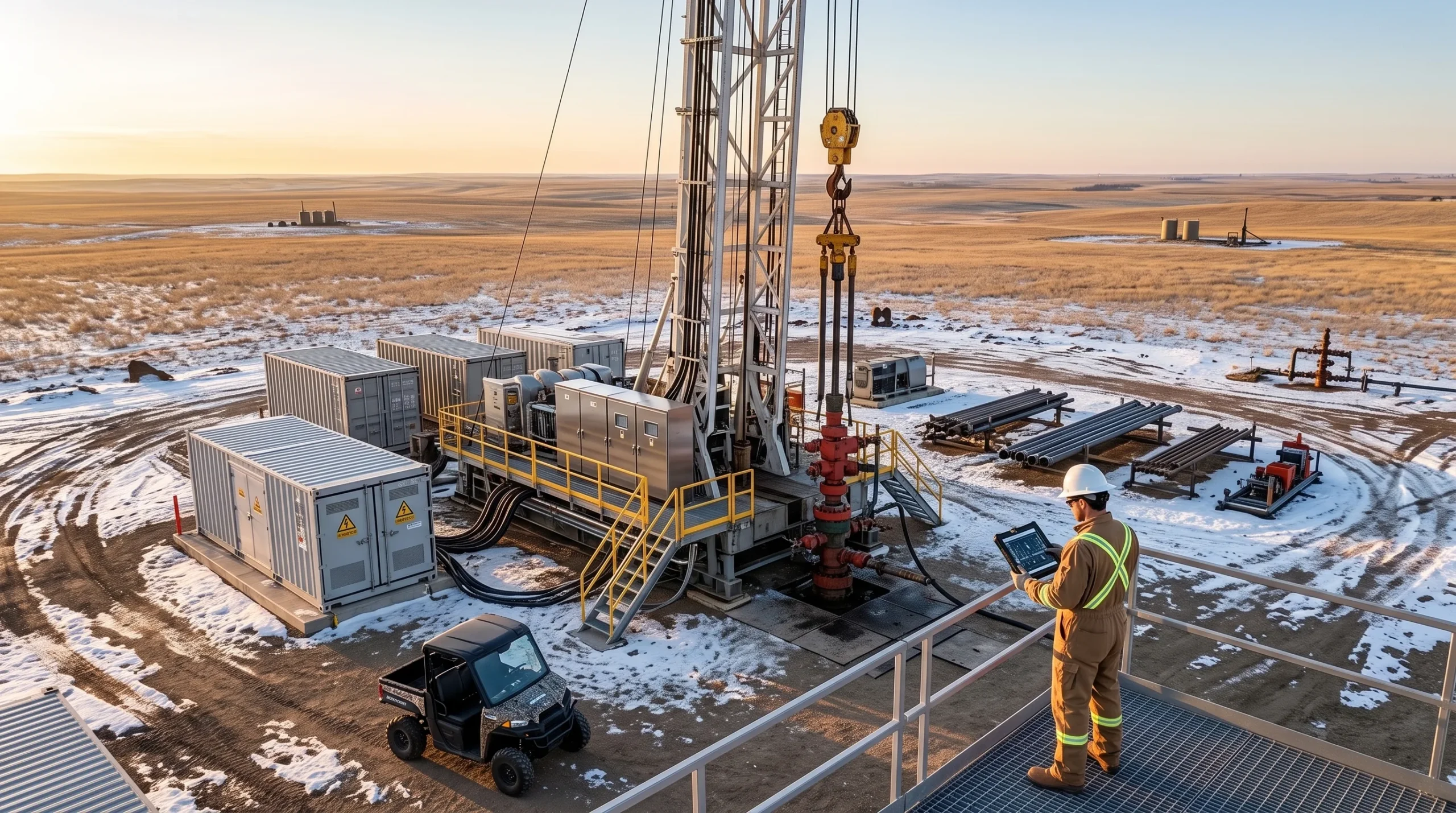
Well intervention is entering a new stage of technological transformation driven by the electrification of workover equipment. Traditionally powered by diesel engines, these units are beginning to incorporate hybrid systems that combine electric power, automation, and greater operational efficiency to reduce fuel consumption, decrease emissions, and optimize oil and gas well maintenance operations.
The recent incorporation of new hybrid workover rigs in the United States reflects a trend that is modernizing one of the most important segments of oilfield services and anticipates an evolution toward more sustainable, safe, and efficient equipment.
Well Intervention Accelerates Sector Modernization
Unlike drilling equipment, workover rigs are used to intervene in wells already in production, performing maintenance, repair, reconditioning, and optimization activities designed to extend their useful life and recover their productive capacity.
These operations are fundamental throughout the well’s life cycle, as they enable the replacement of tubing, repair of artificial lift systems, resolution of mechanical failures, and preparation of facilities for new production stages.
The incorporation of hybrid technologies represents one of the most significant changes in this segment in recent years, combining electric motors with conventional systems to improve operational performance and reduce environmental impact.
Hybrid Equipment Improves Operational Efficiency
Partial electrification of intervention equipment enables a significant reduction in fuel consumption during operations, reducing both operating costs and emissions associated with continuous use of diesel engines.
In addition to energy savings, these systems offer quieter operation, lower maintenance requirements, and more efficient response during maneuvers requiring constant load variations.
The integration of electronic controls, intelligent power management systems, and high-capacity electrical components also promotes more stable operation and improves overall equipment performance under different working conditions.
Innovation Redefines Services for Oil Wells
The modernization process is not limited solely to electrification. New equipment incorporates advances in automation, digital monitoring, remote diagnostics, and operational control that enable optimization of intervention work execution, increased personnel safety, and reduced non-productive time.
These technologies also facilitate better preventive and predictive maintenance management, allowing operators to maximize equipment availability and extend its useful life.
In a context where operational efficiency is becoming increasingly important, technological innovation is beginning to become a differentiating factor for oilfield service companies.
Chevron Confirms a Technological Trend in the Upstream
Within this evolution, Ranger Energy Services announced the expansion of its ECHO Hybrid Double Electric Workover Rigs fleet through a new agreement with Chevron to incorporate three additional units for operations in the Bakken formation starting in 2027.
Beyond the commercial contract, the initiative confirms the growing interest of operators in technologies that enable improved productivity of intervention operations while reducing energy consumption and strengthening sustainability standards.
The development of this type of equipment demonstrates that electrification is beginning to extend beyond drilling systems and now reaches essential activities for maintaining hydrocarbon production.
Energy Efficiency Transforms the Future of the Upstream
The evolution of well intervention reflects a broader change within the oil industry, where the incorporation of hybrid technologies, automation, and digitalization is redefining the way field operations are executed.
As operators seek to reduce emissions, optimize costs, and increase the reliability of their assets, intervention equipment evolves toward more intelligent platforms capable of integrating electrical solutions and advanced control systems without compromising operational performance.
A New Generation of Oilfield Services
The electrification of workover rigs represents one of the most significant advances in the modernization of onshore oilfield services. Beyond a specific innovation, this evolution responds to a strategy aimed at increasing energy efficiency, strengthening operational safety, and improving the competitiveness of well intervention activities.
With the progressive incorporation of hybrid equipment and digital technologies, the well services sector is beginning to build a new operational standard where productivity, sustainability, and reliability cease to be independent objectives and become complementary elements within the same industrial development strategy.
Source: Businesswire