VICINAY MARINE and the technology center TECNALIA have developed a sensor designed to remotely monitor corrosion in offshore mooring lines. The solution aims to improve operational safety and optimize the maintenance of infrastructure subjected to extreme marine conditions.
The device will be presented during Navalia, one of the main European naval industry fairs, where TECNALIA will participate together with the Basque Maritime Forum.
Technology to monitor corrosion in real time
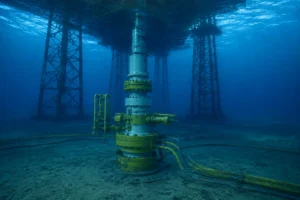
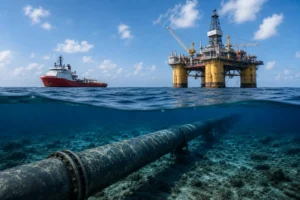
Corrosion poses a significant challenge to the structural integrity of chains and connectors used on floating platforms, offshore wind farms, and offshore mooring systems. Continuous immersion, salinity, and temperature variations accelerate the wear of metallic components, making it difficult to predict their actual degradation using only theoretical models.
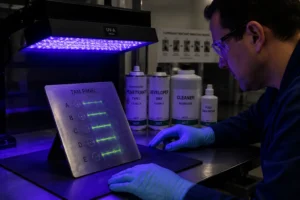
Faced with this scenario, both organizations developed a sensor based on measuring electrical resistance. The technology allows for real-time quantification of the loss of metal cross-section in the links and the generation of predictive models regarding the evolution of deterioration.
Likewise, the system makes it easier to calculate the remaining useful life of the mooring lines and detect anomalies before the components reach critical levels of degradation.
Fewer inspections and greater offshore security
Continuous monitoring reduces reliance on complex physical inspections, especially in deep or poorly accessible installations. This allows for more precise maintenance planning and lowers operating costs associated with unplanned downtime.
Aintzane Expósito, head of the materials area at VICINAY MARINE Innovation, explained that corrosion directly affects the design and durability of critical elements in offshore mooring systems.
According to Expósito, the new sensor will allow for more precise information on the actual behavior of the components during service and support more efficient maintenance strategies.
For his part, Raúl Caracena, Head of Materials in Extreme Conditions at TECNALIA, highlighted the technology center’s experience in anti-corrosion solutions for marine environments and the ability to validate technologies in real conditions through HarshLab, its floating laboratory located in the Cantabrian Sea.
Validation under real operating conditions
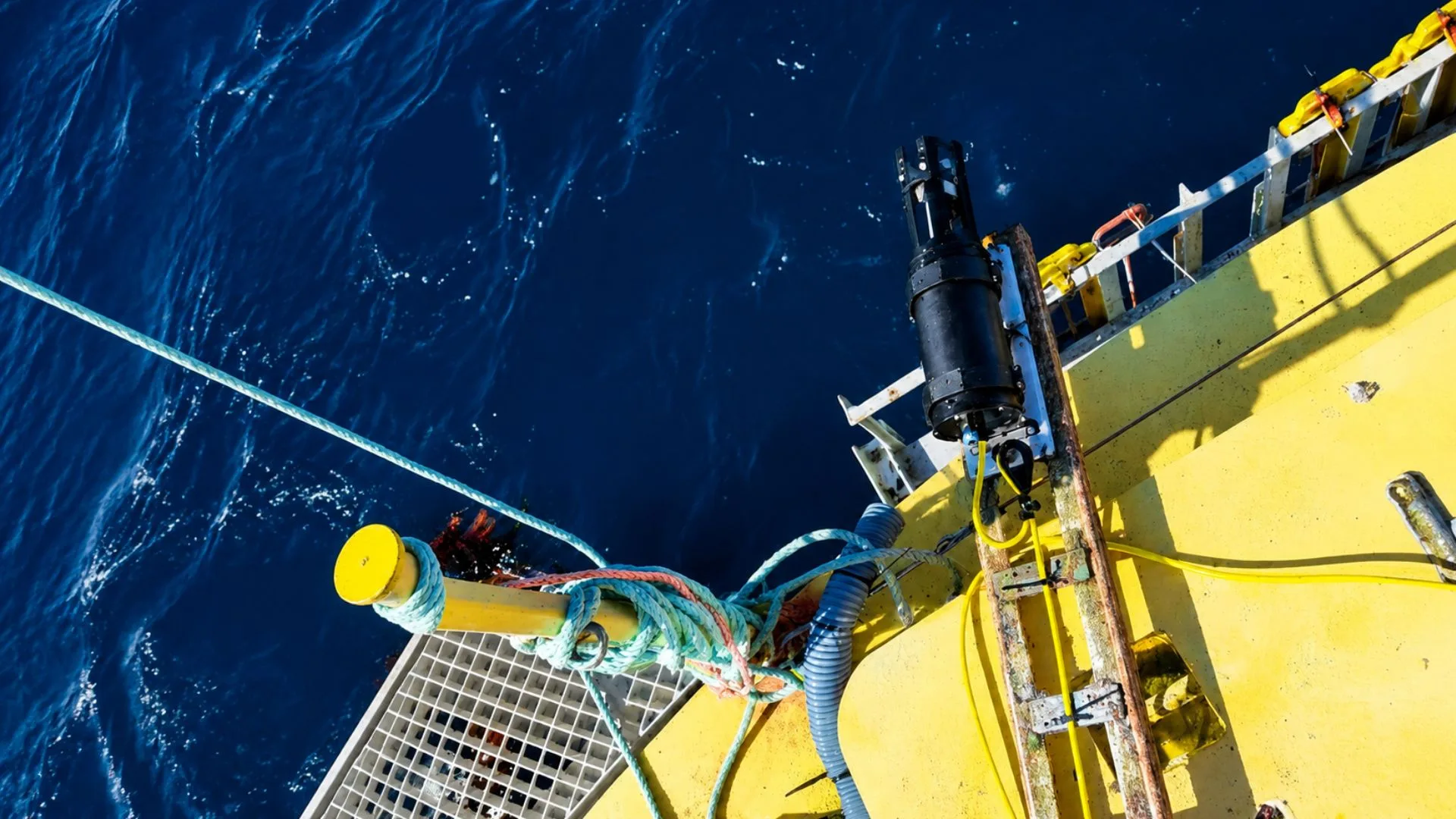
The solution has already been validated at HarshLab, an experimental facility designed to test marine technologies under real offshore operating conditions. This platform allows for the evaluation of materials and systems continuously subjected to highly corrosive environments.
In addition to mooring lines, the sensor has potential applications in port infrastructure, naval assets, submerged metal structures, and offshore wind projects.
The ability to continuously monitor degradation provides crucial information for implementing predictive maintenance strategies and extending the lifespan of equipment exposed to aggressive environments.
With this technology, VICINAY MARINE and TECNALIA seek to reinforce the reliability of offshore systems and move towards safer and more efficient operating models for the maritime and energy industry.
Source and photo: Tecnalia