The marketing companies Vitol y Trafigura they seek to expand the discounts applied to Venezuelan oil given the sharp increase in maritime transport costs, the rising freight rates are reducing the margins available for placing crude oil shipments in the United States and Europe.
According to sources familiar with the negotiations cited by Reuters, both companies are currently offering between $18 to $20 per barrel below Brent for Venezuelan shipments destined for those markets. The difference reflects the growing importance of logistics costs in crude oil marketing.
Transporting Venezuelan oil becomes more expensive
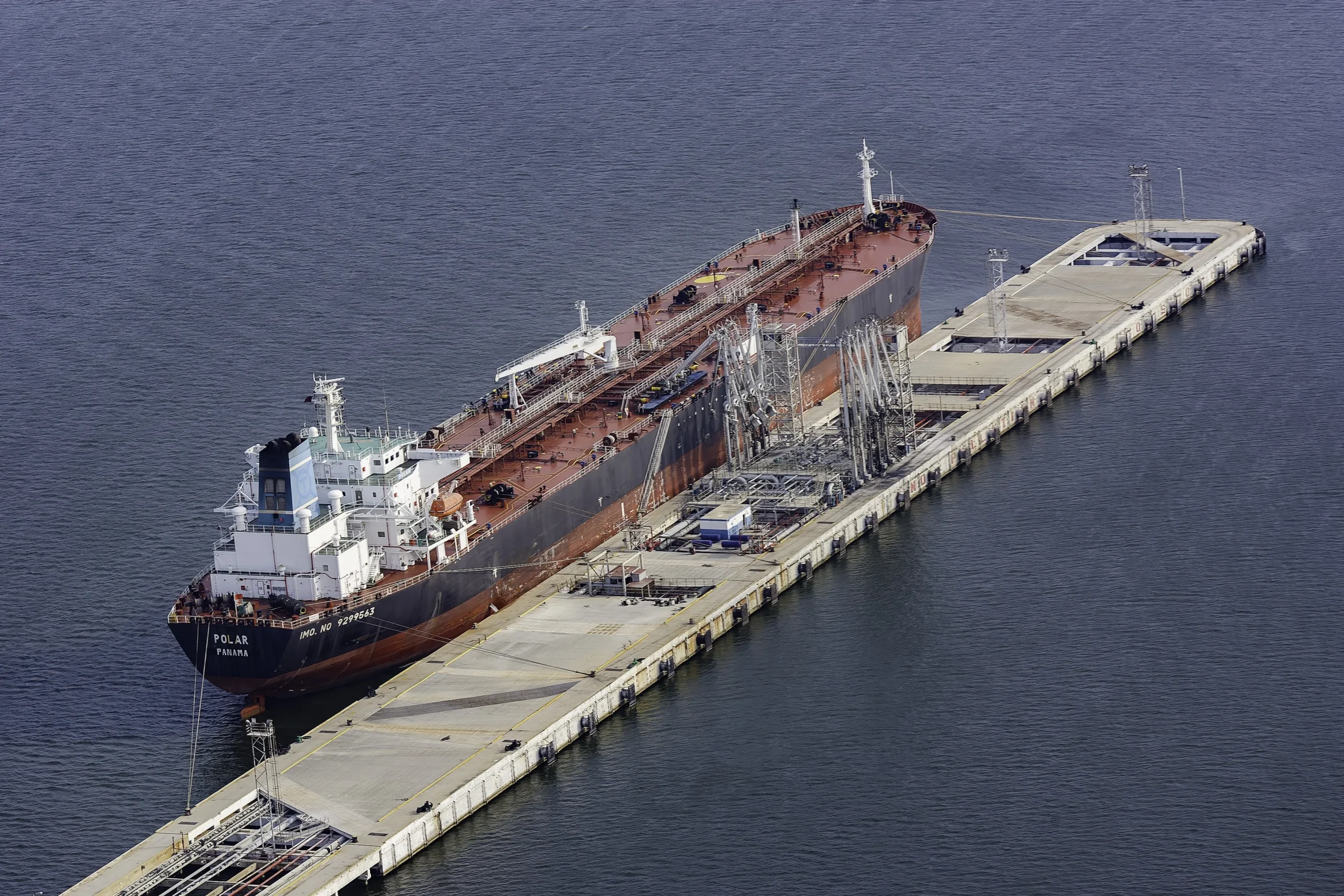
Transporting cargo from Venezuela to the US Gulf Coast has become considerably more expensive during 2026. Chartering an Aframax tanker from the port of José, in Anzoátegui state, to the US Gulf Coast currently costs around US$3.5 million, equivalent to about US$5 per barrel, according to Signal Maritime data cited by Reuters.
At the beginning of the year, that same journey cost approximately US$1.35 million that is, close to US$1.90 per barrel an Aframax vessel can carry around 700,000 barrels of crude oil.
This increase in freight costs is directly influencing the price that buyers are willing to pay for the Venezuelan oil once transport costs are included.
Vitol and Trafigura are looking for bigger discounts on Brent crude.
Meanwhile, PDVSA has recently agreed with some joint venture partners on prices located between $12 and $13 per barrel below Brent.
However, current market conditions have led some of these participants to resell shipments to intermediaries at discounts close to US$16 per barrel compared to the international benchmark.
Pressure mounts with offers from Vitol and Trafigura, who are seeking discounts of up to US$20 per barrel to offset the increased cost of maritime transport.
This scenario presents a more demanding business equation for PDVSA and its partners, which is to maintain prices that are attractive enough for buyers while the cost of transporting Venezuelan crude to refineries continues to rise.
Merey crude maintains its benchmark against Brent.
The reference price of Merey, one of Venezuelan main heavy crudes, reached US$76.82 per barrel in August, compared to US$67.36 recorded in July, according to figures reported by Venezuela to OPEC.
That level was approximately US$14 below Brent, however, the increase in maritime costs may reduce some of the improvement recorded by Venezuelan crude during the last few months.
PDVSA has also sought to increase direct sales to refineries with the aim of reducing the participation of intermediaries and improving the revenue obtained from each shipment.
Venezuelan exports reached 1.17 million barrels per day
The Venezuelan oil exports they remained practically stable during August, at around 1.17 million barrels per day Venezuelan terminals have faced difficulties handling larger volumes, while maritime market conditions add new pressures on export logistics.
Thus, freight costs have become an increasingly important factor in determining the final value of Venezuelan oil. The difference between the price of Merey and Brent crude depends not only on crude oil market conditions but also on the cost of transporting each shipment to the main refining centers.
Source: EnergyNow
Photo: Shutterstock