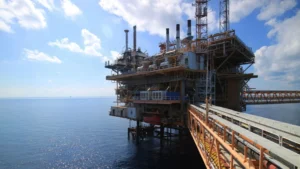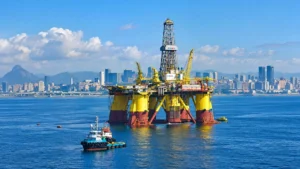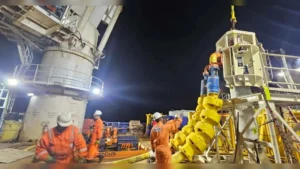
State oil company Saudi Aramco has been seeking to secure thousands of tonnes of diesel in the Mediterranean after a series of attacks on energy facilities in Saudi Arabia.
According to traders tracking market activity, Aramco has been bidding for diesel cargoes for several weeks through a Platts-administered pricing window, a unit of S&P Global. The company is also said to have sought prompt gasoline in Europe.
The activity began before the recent attack on the East-West pipeline, which supplies facilities on the Red Sea coast. However, it coincides with other incidents in recent months involving infrastructure linked to fuel processing and transport.
Aramco seeks diesel in the Mediterranean amid pressure
In certain circumstances, oil companies turn to replacement cargoes when a regular supply source is temporarily offline. In this case, Saudi Aramco’s purchases stand out because Saudi Arabia holds a significant position as a producer and exporter of hydrocarbons.
The move also adds incremental demand to the Mediterranean refined-products market. Diesel and gasoil available in the region typically supply European and North African markets.
The search for Saudi fuel could temporarily alter these flows if import needs persist. However, Aramco has not publicly confirmed the volume required or the expected duration of these operations.
Attacks hit Saudi Arabia’s energy infrastructure
Separately, several Saudi energy facilities have been targeted in recent weeks. Yemen’s Houthis said they attacked a refinery in Yanbu after earlier actions against the Jazan processing plant, also on the Red Sea coast.
These incidents add to the attack on the East-West pipeline. This infrastructure links production areas in eastern Saudi Arabia with the west coast and enables crude to be transported to the Yanbu area.
According to information published on the disruption, the pipeline had been carrying between 4 and 5 million barrels per day to the Red Sea before the attack. The cited estimates envisage a partial recovery of operations before later reaching full capacity.
Europe enters Saudi Aramco’s supply strategy
The situation is also affecting the energy relationship between Saudi Arabia and Europe. Aramco is said to have told European customers that certain crude deliveries scheduled for next month would not take place following problems on the pipeline.
OECD European countries imported about 577,000 barrels per day from Saudi Arabia in June, according to International Energy Agency data cited by one of the sources reviewed. Part of those volumes uses logistics links between the Red Sea and the Mediterranean.
In parallel, the search for gasoline and diesel in Europe shows how disruption to Saudi infrastructure can shift established petroleum-product flows.
The Mediterranean gains weight in fuel supply
As repairs continue and the extent of the damage is assessed, the Mediterranean is emerging as an alternative fuel source for Saudi Aramco.
A prolonged buying program could intensify competition for diesel cargoes and other middle distillates available in the region. Its impact will depend mainly on the volumes purchased and the time needed to normalize the affected Saudi facilities.
For now, Saudi Aramco has not commented on the reported fuel-buying operations.
Source: Rigzone
Photo: Shutterstock