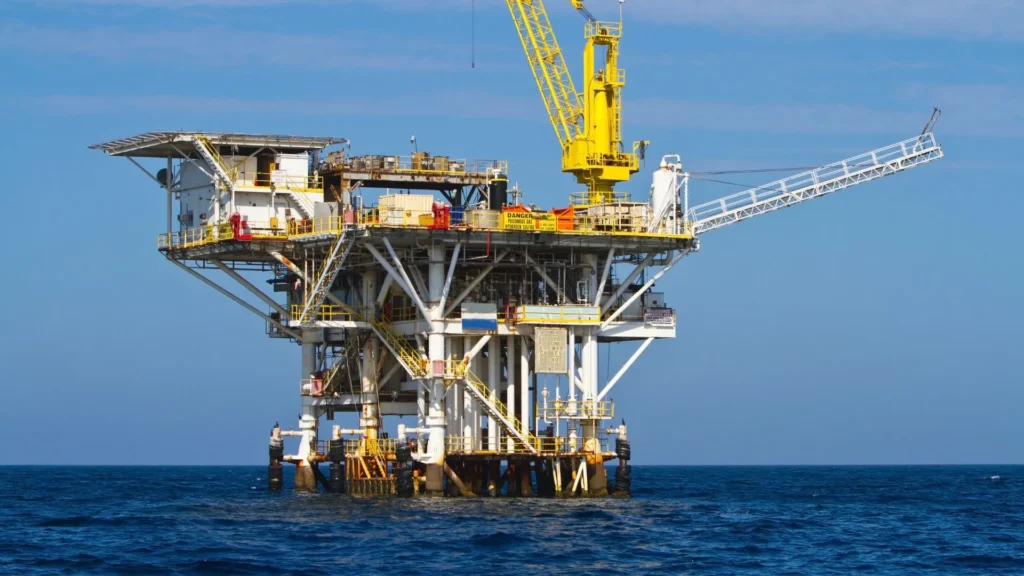
Sable it is moving forward with the recovery of its oil operations off the coast of California and plans to bring the Hondo platform back into production during September 2026. The facility will be the company’s third platform to return to operations within the Santa Ynez Unit (SYU).
The company is gradually reactivating the asset following the restart of production from Heritage in early April. Simultaneously, operations at Harmony have allowed the company to increase the number of active wells while working to stabilize crude oil production and processing.
Sable is preparing the Hondo platform to resume oil production
During July 2026, approximately 47 wells from the platforms Harmony y Heritage they remained in operation. Each one recorded an average production of approximately 721 gross barrels of oil per day.
Sable it expects to bring all 77 producing wells available across both platforms online during the third quarter. Afterward, the operational focus will shift to Hondo, with a restart planned for September.
The company also began a wireline campaign in Harmony in August to add perforations and optimize producing wells. Part of this program will allow for a gradual increase in production volumes.
Specifically, five completed blast additions could each contribute approximately 600 additional gross barrels per day when Hondo resumes operations. Four further additions are scheduled to come online in early Q4 2026 with a similar estimated incremental production.
Santa Ynez Unit increases its operational capacity
The Hondo recovery is part of a larger program at the Santa Ynez Unit that includes the Harmony and Heritage platforms, as well as the Las Flores Canyon Midstream Processing Facility and the Santa Ynez Pipeline System.
In this way, Sable is trying to bring its facilities to a stable operating regime after years of disruptions in California’s offshore oil production.
The productivity observed so far has been one of the elements highlighted by the company Jim Flores, president and CEO of Sable, noted that SYU’s wells have shown higher production than expected, with minimal or even no observable decline during this phase.
The sulfur content affects the marketing of crude oil
The return to production has also created commercial challenges, according to Sable, local refineries had difficulty anticipating the first deliveries from the Santa Ynez Unit due to California’s regulatory environment.
This situation forced the relocation of imported shipments during the second quarter and led Sable to record $18.5 million in non-recurring demurrage charges.
Furthermore, the arrival of larger quantities of crude oil from the Outer Continental Shelf in the Pacific led some refineries to temporarily limit their processing. Sulfur content and other quality parameters also resulted in deductions applied to the oil received.
Hondo could help alleviate that pressure, Sable expects that the oil produced from this platform will have a lower sulfur content and allow for a return to normalizing the average quality of crude extracted from the Santa Ynez Unit after the restart.
The company also plans to test chemical solutions designed to reduce the sulfur content of SYU crude oil during the fourth quarter of 2026. Full-scale implementation is planned for 2027.
California refineries could receive more oil from SYU
Starting in September, Sable expects California refineries to adjust their supply mix to accept larger volumes of oil from the Santa Ynez Unit and reduce some imports.
The adjustment would alleviate current processing restrictions and facilitate the marketing of the anticipated production increase with Hondo’s return.
In parallel, Sable is holding negotiations to use existing maritime terminals in the Los Angeles area as an alternative for transporting and marketing oil by sea.
The combination of new active wells, production optimization, and greater logistical flexibility will be key in the coming months. If Hondo resumes operations according to schedule, Sable will have its three main platforms at the Santa Ynez Unit back online while continuing to increase oil production off the coast of California.
Source: Offshore Energy
Photo: Shutterstock