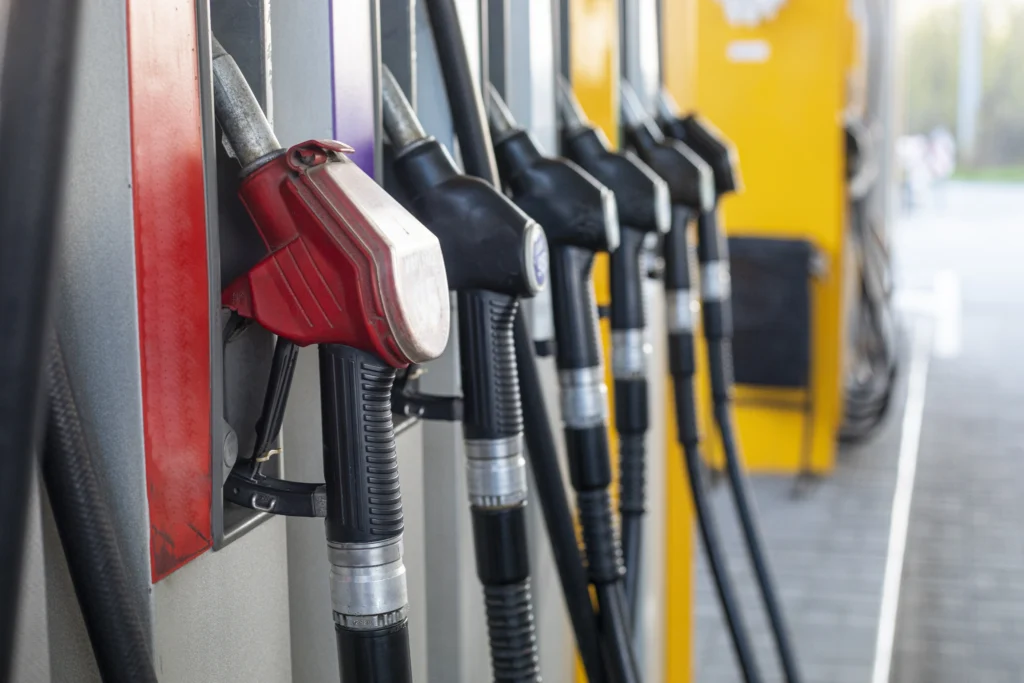
Rising gasoline prices continue to put pressure on the finances of millions of households in the United States. Since the start of the conflict between the United States, Israel, and Iran, drivers have spent approximately $35 billion more on fuel, according to an estimate from Brown University based on energy market trends.
Similarly, an analysis prepared by NBC News with data from the American Automobile Association (AAA) reveals that the increase in the price of gasoline has raised drivers’ monthly expenses by between less than $20 and more than $300, depending on the size of the tank and how often they refuel.
Fuel prices mark their biggest increase in a decade
Since the end of February, the national average price of gasoline has increased by nearly 30%. During May, the average price reached $4.63 per gallon, a figure that ranked among the highest recorded in the last ten years, according to the U.S. Energy Information Administration (EIA).
The behavior is reminiscent of the scenario observed in 2022 after the start of the war between Russia and Ukraine, when international markets reacted with sharp increases in energy prices due to uncertainty about the supply of oil.
Consumers are changing their mobility habits
Faced with rising fuel prices, many drivers have begun to reduce their journeys or space out their visits to gas stations.
Data from the analytics firm Placer.ai shows that visits to gas stations decreased by 5.7% during one week in May compared to the same period last year, reflecting a change in consumption patterns associated with the increased cost of transportation.
Similarly, the Federal Reserve Bank of New York reported that consumers expect to allocate a larger proportion of their budget to transportation and utilities over the next twelve months while anticipating reduced spending on vacations, housing, and electronics.
Wyoming leads the way in rising gas prices
The impact of rising gasoline prices has not been uniform across the country, Wyoming has seen one of the largest increases since the start of the conflict, with a rise of over 40% and an average price of nearly $3.87 per gallon. Montana and Wisconsin are also among the states with the largest percentage increases.
In contrast, Indiana shows a more moderate evolution with an increase of less than 10% compared to the end of February, which shows regional differences derived from logistical, fiscal and supply factors.
Energy volatility continues to put pressure on households
Although international oil prices continue to be subject to the evolution of the conflict in the Middle East, experts agree that the volatility of the energy market will continue to influence the cost of fuel in the coming months.
As long as geopolitical uncertainty persists, gasoline spending will continue to be one of the main factors affecting the monthly budget of millions of American consumers and the overall behavior of domestic consumption.
Source: Nbcnews
Photo: Shutterstock