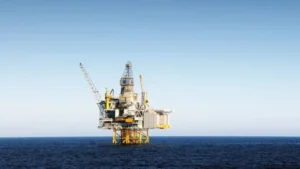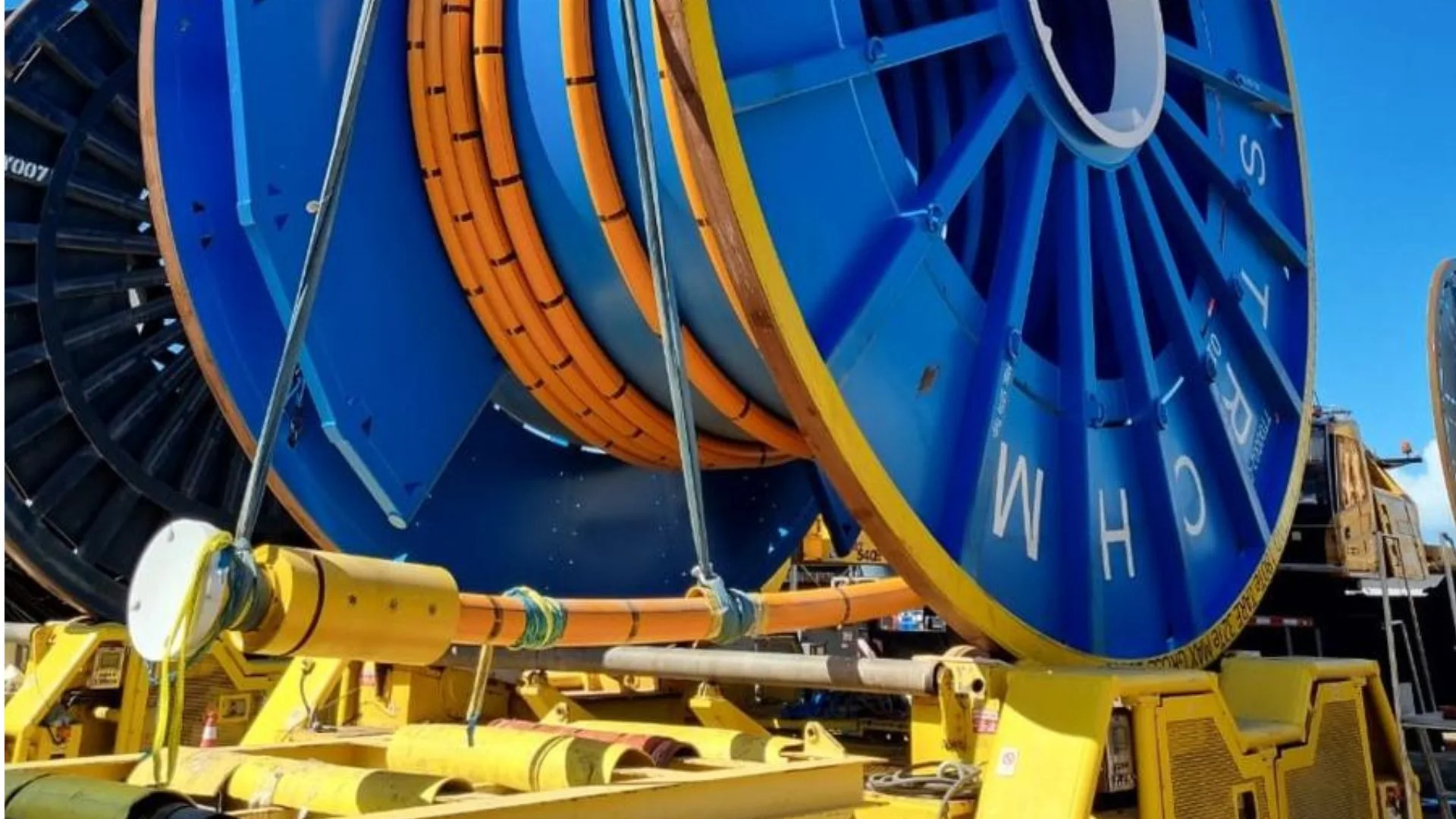
Petrobras is bringing Strohm’s thermoplastic composite pipe (TCP) technology to Brazil’s deepwater. The Brazilian company has contracted the Dutch manufacturer and its subsidiary Strohm Brazil to supply and evaluate these systems in post-salt province fields.
The tests will be conducted at depths of up to 1,500 meters, allowing for the analysis of TCP pipe behavior under real operating conditions.
Petrobras to evaluate TCP pipes in offshore operations
The contract includes the supply of thermoplastic composite pipes along with qualification testing, project engineering, field services, and support during offshore testing and installation.
Additionally, Petrobras will use the technology for water injection and gas lift applications. The evaluation will study pipe handling and installation from lay vessels similar to those typically used by the company.
This will be relevant in determining how TCP technology can be integrated into existing offshore operations without relying on completely different installation systems.
Renato Bastos, Vice President of Strohm Brazil, stated that the contract represents an endorsement of the company’s technology and opens possibilities for future projects in Brazil.
According to the executive, Petrobras has experience in flexible pipe solutions, and the award reflects the Brazilian operator’s confidence in TCP products and Strohm’s technical capacity.
What are the advantages of thermoplastic composite pipes?
TCP pipes are manufactured by combining carbon or glass fibers with polymers such as polyethylene or polyamide.
This composition results in lighter structures than conventional flexible or rigid pipes. Furthermore, the spoolable design facilitates handling and transport during offshore operations.
Another technical feature is their corrosion resistance. By using composite materials and polymers, these systems offer an alternative to certain limitations associated with metallic pipes used in subsea environments.
Likewise, the design allows for continuous pipe integrity inspections. Strohm maintains that its systems can reduce routine maintenance requirements during their operational life.
Tests at 1,500 meters in Brazil’s deepwater
The program will allow for the observation of thermoplastic composite pipe behavior at depths of up to 1,500 meters prior to potential broader use within offshore developments.
The evaluation will cover everything from onboard handling to the installation process and pipe performance under real conditions.
In this way, Petrobras will be able to obtain operational data on TCP performance for subsea systems for water injection and gas lift in post-salt fields.
The use of lighter structures can also simplify certain installation stages compared to conventional solutions. Corrosion resistance is another relevant factor for subsea installations exposed to the marine environment for long periods.
Strohm seeks to expand TCP use in Brazil
For Strohm, the contract represents an opportunity to demonstrate its technology’s capability within one of the leading offshore markets. Martin van Onna, the company’s CEO, noted that the agreement reflects the collaboration between both companies and Petrobras’ interest in incorporating pipe technologies aimed at improving operational efficiency and reducing production costs.
The tests will now allow these potential advantages to be translated into real operating conditions. The results will be important in determining the performance of TCP pipes in deepwater projects and their potential future application within Petrobras’ subsea systems.
Source and photo: Strohm