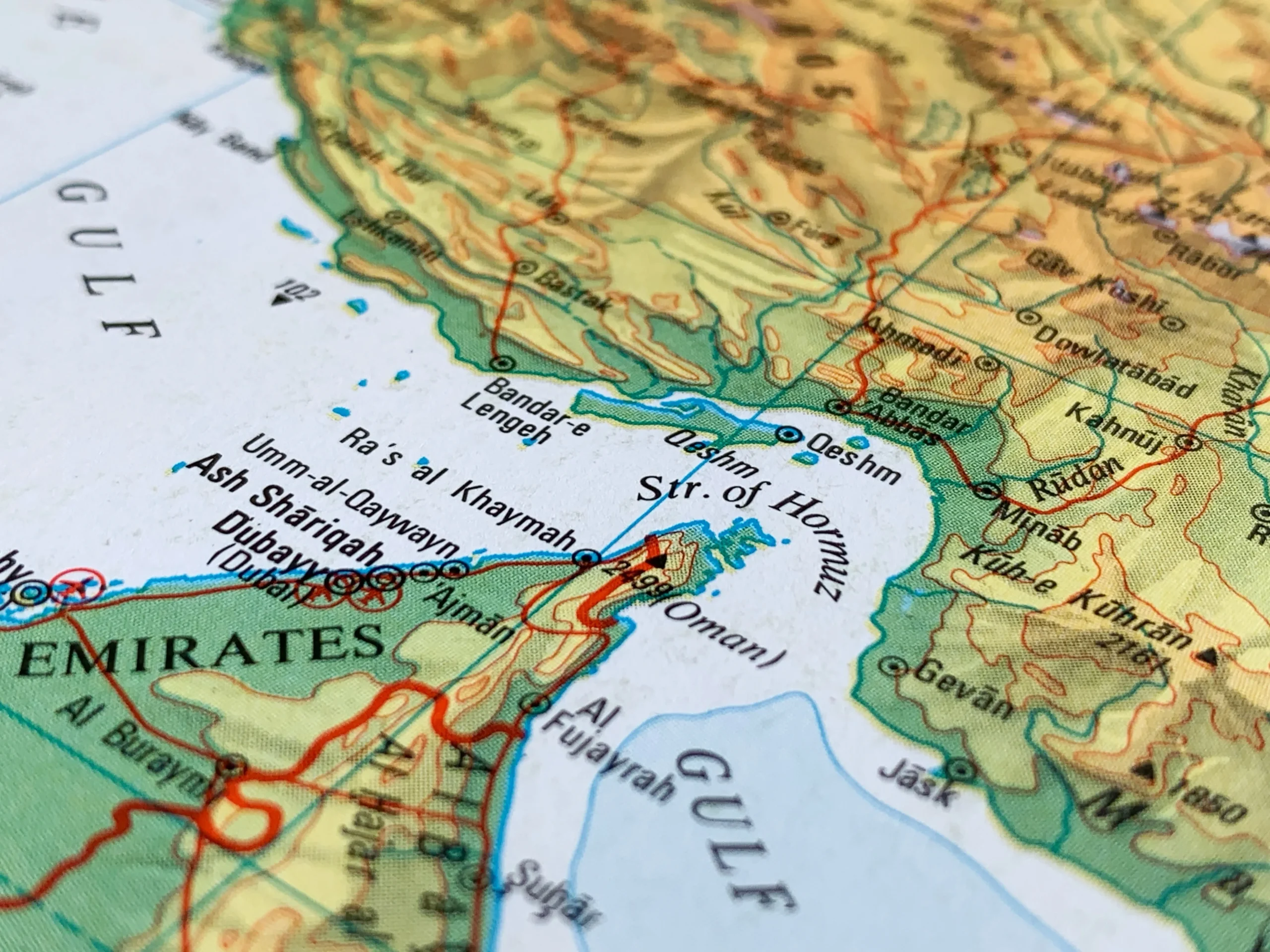
Oil prices rose again after Donald Trump called Iran’s response to Washington’s peace proposal “unacceptable.” Uncertainty surrounding the Strait of Hormuz and global crude oil supplies continues to put pressure on energy prices.
More specifically, Brent crude futures rose around 3%, surpassing $104 per barrel, while West Texas Intermediate (WTI) advanced more than 3%, approaching $100. Since the start of the conflict between Washington and Tehran, investors have closely monitored any diplomatic signals related to the Strait of Hormuz.
Although there were expectations last week about a possible de-escalation, the new hardening of the US discourse raised fears again about prolonged disruptions to the energy supply.
The Strait of Hormuz remains under pressure
In addition to diplomatic tensions, maritime traffic in the Persian Gulf continues to show signs of operational risk. Maritime monitoring data revealed that several oil tankers left the area Strait of Hormuz with their tracking systems turned off to reduce the risk of potential attacks.
The situation has put energy importers in Asia on alert, especially Japan, China and South Korea, regions highly dependent on crude oil from the Middle East.
Saudi Aramco warns of a slow market recovery
Saudi Aramco CEO Amin Nasser stated that the world lost nearly one billion barrels of oil over the past two months due to disruptions caused by the conflict. According to the Saudi executive, even if energy flows return to normal, the market will need time to stabilize.
His statements reinforce the perception that volatility could persist for much of the year. At the same time, Chinese buyers reduced orders for Saudi oil due to increased costs and logistical uncertainty stemming from the regional crisis.
Trump and Xi Jinping could influence the energy market
The upcoming meeting between Donald Trump and Chinese President Xi Jinping is now emerging as one of the most significant factors for the global oil market. US officials indicated that the two leaders will discuss the situation in Iran and possible diplomatic mechanisms to contain the crisis.
China maintains a strategic position due to its trade ties with Tehran and its status as the world’s largest oil importer. While international negotiations continue, the energy market remains attentive to any political or military developments that could affect the global flow of crude oil.
Source: Reuters