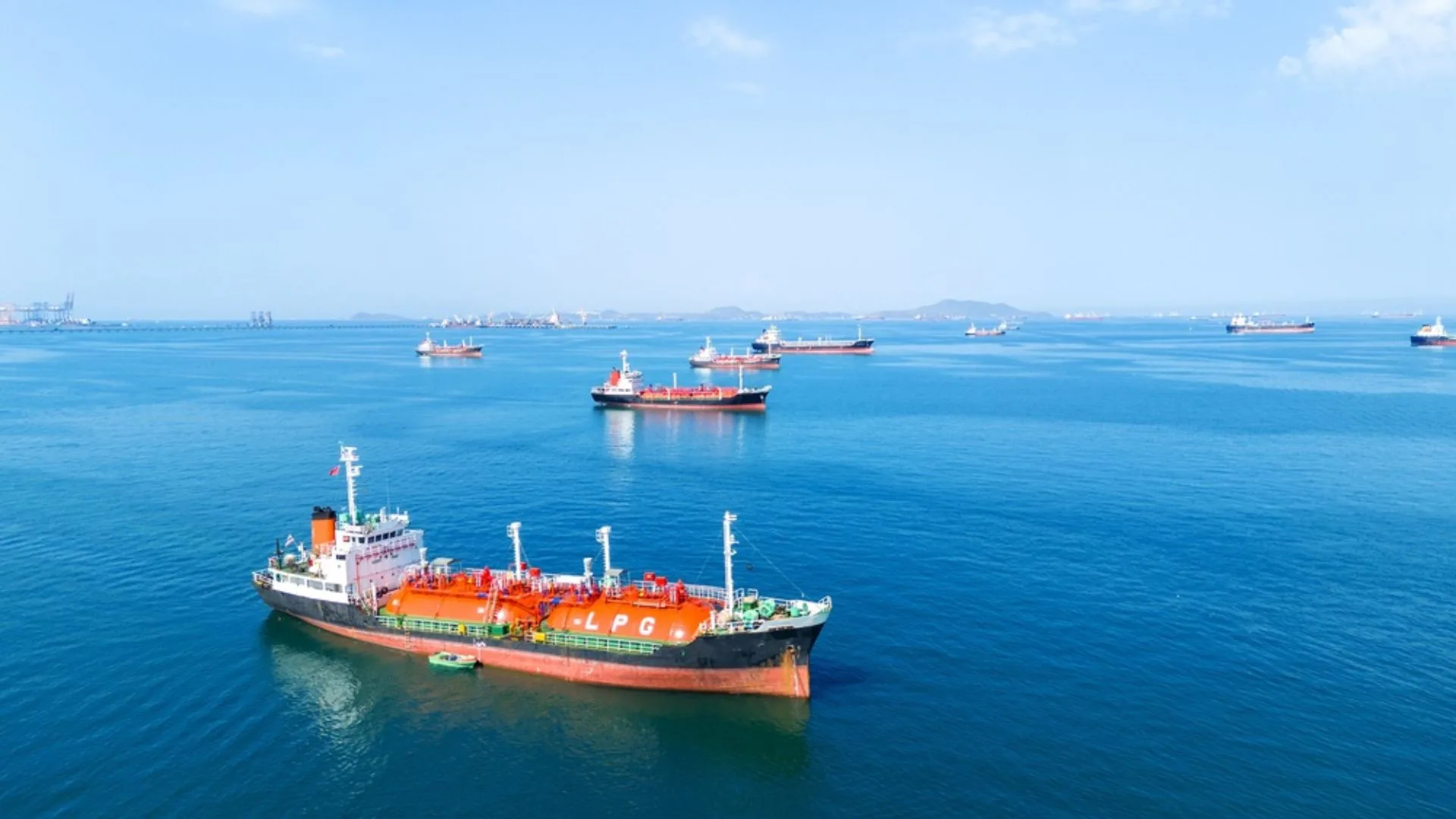
Oil prices continued to fall this Wednesday after more tankers began leaving the Strait of Hormuz, a sign that has eased some market concerns about potential prolonged disruptions to global energy supply.
During the Asian session, West Texas Intermediate crude (WTI) remained near $72.50 per barrel after hitting multi-month lows. Meanwhile, Brent also remained under pressure, approaching levels seen before the recent escalation of tensions in the Middle East.
Why are oil prices falling after the partial reopening of Hormuz?
The main reason behind the price retreat is the gradual recovery of maritime transit in the Strait of Hormuz, one of the most important trade routes for oil and natural gas transport.
After months of disruptions caused by regional instability, numerous stranded oil tankers began resuming their journeys to international markets. This logistical improvement is allowing some of the held-back barrels to re-enter global trade.
Likewise, maritime authorities continue to coordinate operations to facilitate the progressive departure of vessels and crews while maintaining temporary corridors that help reduce operational risks in the area.
The reactivation of these flows has led many operators to decrease the so-called geopolitical risk premium that drove crude prices during the most tense weeks of the conflict.
Alternative Infrastructure Strengthens Oil Supply
Another factor contributing to the market’s bearish tone is the ability producers and exporters have demonstrated to adapt to logistical restrictions.
In recent weeks, several Gulf countries have used pipelines, storage hubs, and alternative maritime routes to keep their exports active. These solutions have helped cushion the impact of disruptions and maintain oil supply to major international consumers.
In the case of the United Arab Emirates, the recovery of export flows has shown significant progress, reinforcing the perception that global supply could stabilize faster than some analysts anticipated.
Added to this is the temporary easing of certain trade restrictions related to Iranian oil, a measure that opens the possibility for more barrels to reach Asian markets in the coming weeks.
Diplomacy Continues to Shape the Market’s Direction
Despite the observed improvement in maritime transport and supply chains, the political component remains decisive for price evolution.
Discussions between Iran, Oman, and the United States continue amidst differing interpretations of the progress achieved. While Washington maintains that there has been progress on issues related to nuclear oversight, Iranian officials maintain a more cautious stance regarding the situation.
This lack of consensus maintains a level of uncertainty that prevents ruling out new episodes of volatility in the energy market.
A Temporary Relief for Oil
For now, investors seem to be focusing on the more immediate signals related to supply and maritime transport. The gradual return of oil tankers to the Strait of Hormuz and the recovery of trade flows have helped alleviate fears of a supply crisis.
However, the evolution of diplomatic negotiations will remain a key element in determining whether the recent fall in oil prices consolidates or if geopolitical risks once again drive a new escalation in international markets.
Source: invezz
Photo: Shuttertock