Iranian crude exports saw a sharp rebound this week following increased maritime activity in the Strait of Hormuz, one of the world’s most important energy routes. The increase coincides with diplomatic progress between Iran and the United States aimed at consolidating a lasting peace agreement.
According to maritime tracking data, three U.S.-sanctioned supertankers are transporting approximately six million barrels of Iranian oil through the strait. The vessels, identified as Elva, Virgo, and Vigor, are heading towards waters near Singapore, where cargo transfers typically occur before the crude continues its journey to Chinese refineries.
Maritime Traffic Begins to Recover
The increase in shipments reflects a gradual recovery of shipping activity in the region. Before the conflict began in late February, approximately one-fifth of the world’s oil supply and a significant proportion of liquefied natural gas transited through the Strait of Hormuz.
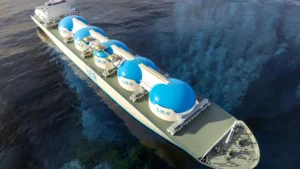
In addition to Iranian cargoes, other indicators show a partial normalization of operations. Qatar began mobilizing more empty LNG carriers to prepare for the resumption of liquefied natural gas exports. Meanwhile, Kuwait requested several clients to withdraw refined products from facilities located within the Persian Gulf.
Kharg Terminal Regains Prominence
The three supertankers are coming from Kharg Island, Iran’s main oil export terminal. This movement adds to the nearly 20 million barrels recently exported from Chabahar, located in the Gulf of Oman.
Likewise, the lifting of U.S. restrictions on vessels visiting Iranian ports has facilitated the reactivation of production and the departure of new cargoes to international markets.
The rapid recovery of trade flows demonstrates the Iranian oil industry’s capacity to increase supply once the necessary logistical conditions for export are re-established.
China Remains the Main Destination for Iranian Crude
The Chinese market continues to absorb a large portion of barrels from Iran. The increased availability of crude has begun to influence price formation, driving wider discounts for some cargoes scheduled for July delivery.
Industry operators indicate that the increase in supply could generate greater competition among sellers in Asia, especially in the light crude segment.
Energy Markets Monitor Developments in the Strait
As diplomatic talks between Tehran and Washington continue, market participants are closely monitoring developments in maritime traffic in the Strait of Hormuz.
In recent days, the transit of vessels carrying Iraqi and Saudi crude was also detected, as well as the entry of new empty tankers into the Persian Gulf to support future loading operations.
The recovery of maritime movements represents a positive sign for the stability of global energy supply. However, analysts believe that the situation will continue to depend on the consolidation of political agreements reached between both nations.
Source: gCaptain
Photo: Shutterstock