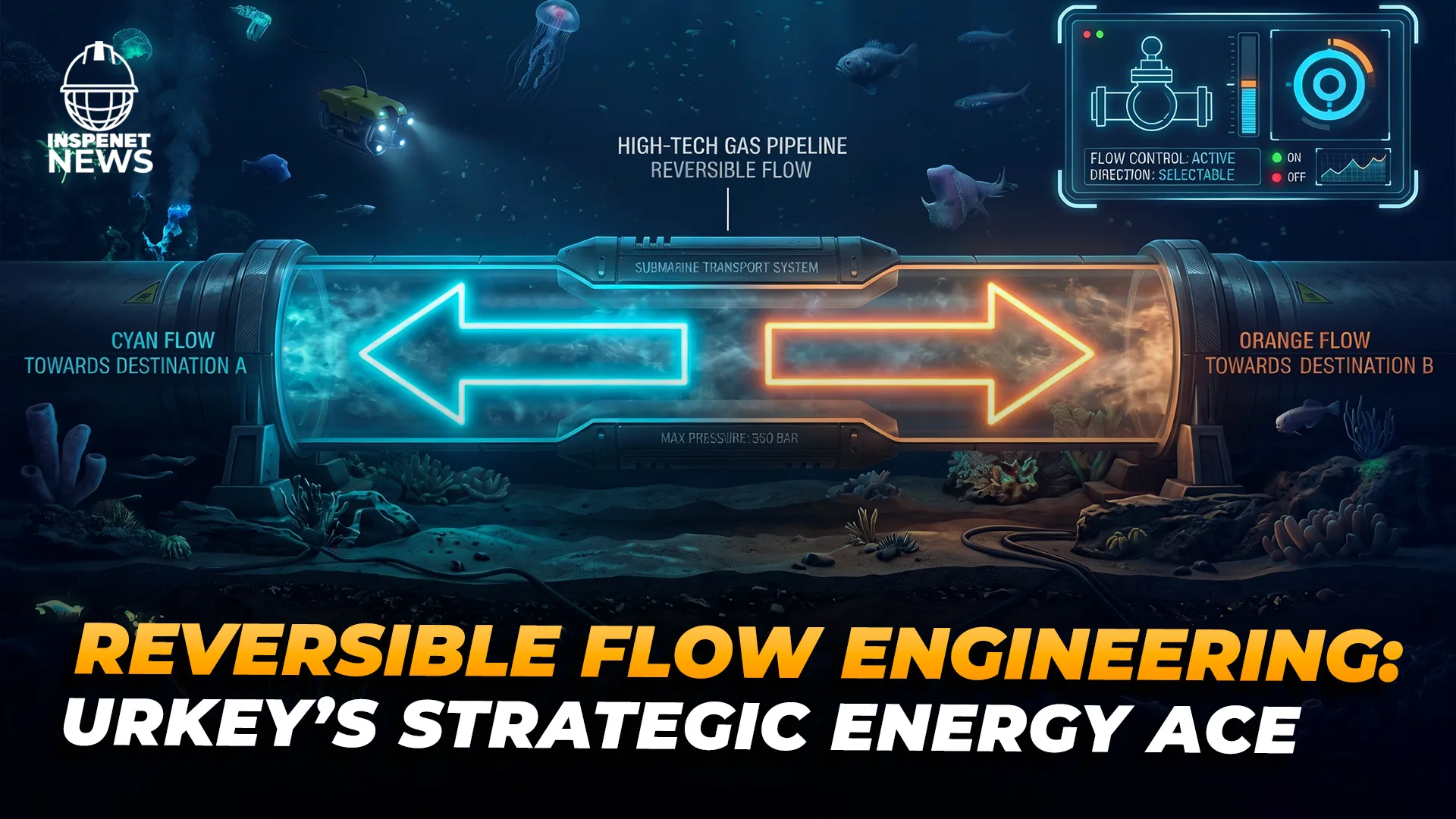
Türkiye accelerates construction of an underwater gas pipeline to northern Cyprus
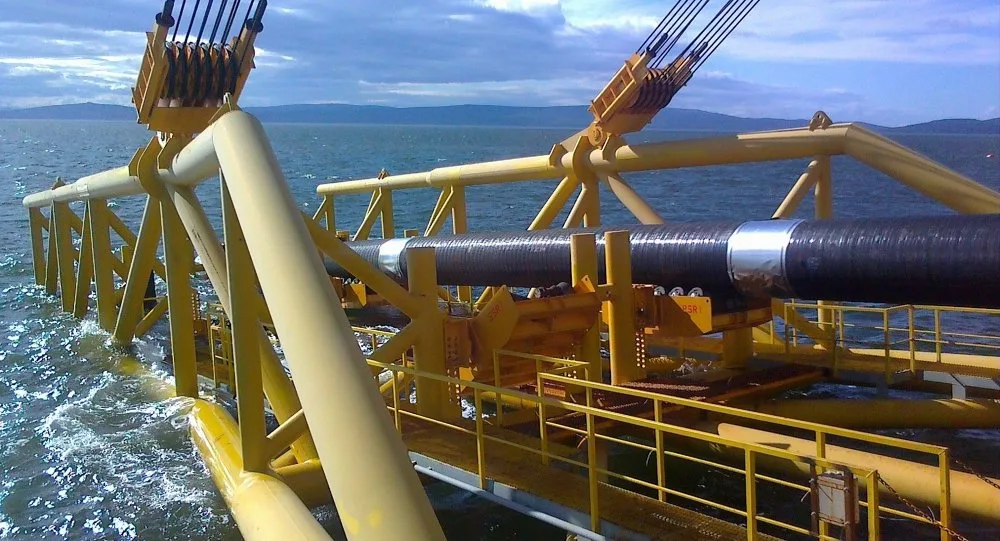
Turkey has once again made its moves in the Eastern Mediterranean with a project that blends energy , diplomacy, and regional strategy. Ankara is preparing an underwater gas pipeline that will connect Turkey's southern coast with northern Cyprus, an infrastructure project that aims to bolster the island's energy supply and expand Turkish influence in one of the most sensitive areas of Europe.
The plan was confirmed by Turkey's Minister of Energy and Natural Resources, Alparslan Bayraktar, who specified that the connection would extend approximately 97 kilometers between Alanya and northern Cyprus. According to the timeline presented by Turkish authorities, the goal is to complete the engineering work before the end of 2026 and have the infrastructure operational by 2028.
An energy project with regional ambitions
In addition to supplying local markets, the pipeline was designed with a much broader vision. Turkey intends to use this connection as a future transport route for potential natural gas reserves discovered in the eastern Mediterranean.
The proposal includes a reversible flow system. This means the infrastructure could move gas from Turkey to Cyprus and, later, transport resources from the eastern Mediterranean to Turkish territory for subsequent distribution to Europe.
With this move, Ankara is trying to strengthen its role as a regional energy corridor at a time when Europe continues to seek new energy supply routes after years of international volatility.
Northern Cyprus seeks energy stability
From the Turkish Cypriot perspective, the project appears as a response to the structural problems of electricity supply and dependence on imported liquid fuels.
Local authorities maintain that the new gas pipeline would reduce energy costs and improve the stability of the electricity grid in the face of increased demand. At the same time, Turkey is also promoting a submarine electricity transmission cable that would complement the energy strategy for the north of the island.
The project was presented by Turkish Cypriot officials as a major new integration project between Anatolia and Northern Cyprus, following the model of the water transport system built years ago between the two territories.
Energy and political tension intersect once again
However, the infrastructure project is progressing amid a delicate political landscape. Cyprus has remained divided since 1974 between the internationally recognized Republic of Cyprus, a member of the European Union, and the self-proclaimed Turkish Republic of Northern Cyprus, recognized only by Turkey.
This division turns any energy project into a geopolitical issue. From the south of the island, Greek Cypriot political sectors and media maintain that energy developments must comply with international law and maritime regulations backed by the United Nations.
At the same time, several analysts believe that the gas pipeline also represents a political message from Ankara about its presence and capacity for influence in the eastern Mediterranean.
Türkiye wants to gain prominence as an energy corridor
During the last few years, the eastern Mediterranean has become a strategic area due to its potential natural gas reserves and the dispute over energy routes to Europe.
Turkey seeks to leverage its geographic position to consolidate its role as a bridge between Asia, the Middle East, and European markets. The new gas pipeline to Cyprus is part of this broader strategy of energy infrastructure and regional control.
For now, the main challenge will be to transform the project into an operational facility before 2028. Political negotiations, regulatory agreements, and regional tensions could still alter the timeline set by Ankara.
Meanwhile, the Eastern Mediterranean reaffirms that energy is rarely confined to the economy. In that region, every pipeline also defines alliances, maritime disputes, and the balance of power.
News of additional interest
Kenli 10-2 strengthens Chinese oil production
China has brought the first phase of production at the Kenli 10-2 oil field in the Bohai Sea into full operation. Operated by the China National Offshore Oil Corporation (CNOOC), the project is the country's largest shallow-sea oil field. Proven reserves exceed 100 million tons of crude oil, and the field is currently producing more than 2,800 tons per day.
The infrastructure includes a central processing platform and two unmanned platforms connected to 79 development wells. Besides the size of the field, the project is noteworthy because it is China's first branched offshore heavy crude oil field. To make this possible, the CNOOC technical team created special methods to manage the geological complexity of the area and the wide variation in oil viscosity.
Ukraine lowers tariffs to fill gas reserves
Ukraine has reduced gas storage fees by 11% to accelerate the buildup of reserves before winter. The measure, announced by the country's energy regulator, aims to attract both local and foreign companies amidst strain on Ukraine's energy system.
The country boasts the largest underground gas storage capacity in Europe, with space for over 30 billion cubic meters. Kyiv had promoted these deposits to Western companies to store gas during off-peak months and use it later to supply the European market. However, Russian attacks on energy facilities have almost completely depleted the gas stored by foreign companies.
Australia activates its largest energy battery ever.
RWE has received authorization to operate the Limondale energy storage system at full capacity in Australia. The project has become the longest-lasting battery currently in operation in the country, thanks to its ability to supply energy for more than eight continuous hours. The system uses 144 Tesla Megapacks and can store at least 400 megawatt-hours of electricity.
The installation is located next to the Limondale solar park in New South Wales and was designed to reduce pressure on the electricity grid during peak demand periods. After completing technical and safety tests, the system was approved for commercial operation. The project is part of Australia's energy strategy to strengthen the use of renewable energy and improve the stability of the electricity supply.
War in the Middle East makes solar projects more expensive
Rising aluminum prices are driving up installation costs for solar projects in the United States following tensions and attacks in the Middle East that are disrupting the global supply of the metal. Companies in the sector are reporting increases of nearly 20% in racking systems and supports used to mount solar panels, an essential component for new power plants.
Refinery disruptions in the Gulf and shipping problems in the Strait of Hormuz have driven up international aluminum prices in recent months. While Canada remains the top supplier of aluminum to the United States, the integrated global market has also boosted the value of Canadian exports. Analysts warn that these higher costs could impact solar projects with tight profit margins and be passed on to consumers and businesses between 2026 and 2027.