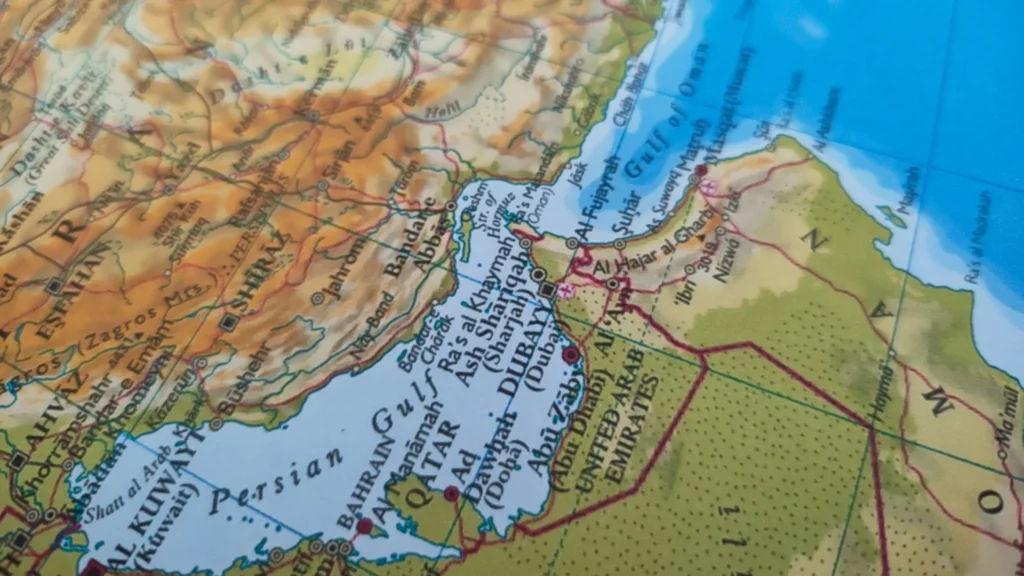
Iran’s near-total blockade of the Strait of Hormuz has caused hydrocarbon transit to fall to barely 3.8 million barrels per day, a fraction of its usual capacity.
The Largest Crude Oil Contraction Following Strait of Hormuz Conflict
As the conflict in the Middle East intensifies, the International Energy Agency (IEA) has confirmed an alarming reality for global markets. Oil production experienced a precipitous drop of 10.1 million barrels per day during the month of March. This supply collapse is historically unprecedented and has generated cumulative losses exceeding 360 million barrels in just thirty days.
The Strait of Hormuz is a critical chokepoint through which much of the world’s crude oil flows, and today it remains under an obstruction that has forced major powers to depend on insufficient alternative routes. Some countries such as Iraq and Saudi Arabia are attempting to mitigate the impact, but the export deficit exceeds 13 million barrels each day. Likewise, the use of strategic reserves at a rate of 6 million barrels per day is emerging as an unsustainable long-term solution.
The IEA has adjusted its forecasts for 2026, placing demand at 104.259 million barrels per day. This downward revision reflects what experts call “demand destruction” due to prohibitive prices and geopolitical uncertainty. If hostile events extend beyond May, the market could face a consumption decline of up to 5 million barrels per day.
Nevertheless, the outlook presents interesting nuances in other regions. While the Persian Gulf closes, oil production in Venezuela has achieved a 14% increase in March, reaching 980,000 barrels per day. This crude oil flow, directed primarily toward the Indian market, offers marginal relief amid the chaos. Venezuela’s recovery and Asian interest in its exports demonstrate that the energy landscape is seeking new equilibria in the face of route collapse.
Source: Libre Mercado
Photo: Shutterstock