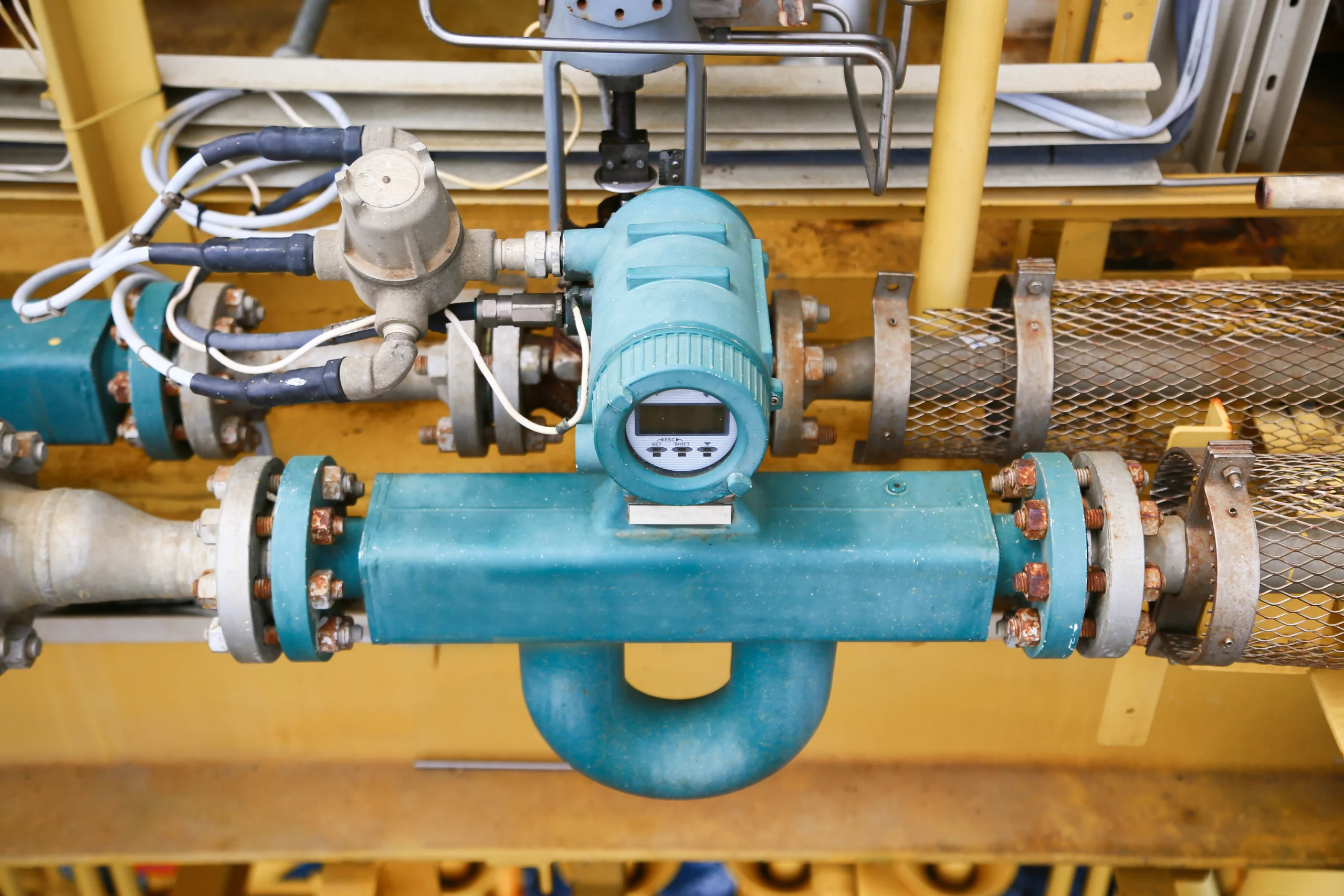
Flow measurement it has become a fundamental element for improving decision-making throughout the entire life cycle of a well. From drilling to abandonment, operators use flow data to assess operating conditions, optimize resources, and reduce uncertainties.
The technical discussion promoted by specialists of the SPE Flow Measurement Technical Section Board of Directors it highlights a growing need in the industry to differentiate between data obtained directly through instruments, data calculated through models, and values estimated from correlations or assumptions.
The measurement must respond to a specific decision
Although modern systems incorporate advanced sensors, digital meters, and continuous analysis platforms, the amount of information available does not always represent greater operational value.
For this reason, specialists pose a fundamental question before selecting a technology: what decision will change with this measurement?
A measurement can be useful without achieving absolute precision, the important thing is that the level of uncertainty is known and appropriate for the specific objective, whether it is reservoir monitoring, production optimization, regulatory reports, or commercial allocation.
Differentiate between measured data and estimated information
In oil and gas operations, some of the information used to make decisions comes from direct measurements while another part depends on mathematical models or technical interpretations.
This difference impacts the reliability of the analyses, a measurement intended to optimize an artificial lifting system may require different conditions than one used for fiscal or commercial processes.
Likewise, establishing operational limits, response protocols, and those responsible for action allows the data obtained to be transformed into concrete actions.
Applications during the well life cycle
During drilling, the flow measurement it can help identify events such as leaks or unexpected fluid inflows with enough advance notice to respond.
In the completion and return flow stages, this data allows for the evaluation of well cleaning, potential sand production problems, and initial operating conditions.
Subsequently, during production, flow information contributes to volume allocation, reservoir monitoring, facility optimization, and capacity management.
In the final stages of the operating cycle, measurements can support assessments related to well integrity, emissions, and residual flow behavior.
More data doesn’t always mean better decisions
The addition of new sensors or digital tools can increase the volume of available information, however, without a defined purpose, that data may have limited value.
The industry is looking to move towards measurement systems where each data point has a clear function within an operational decision. The key lies in combining technology, technical expertise, and a proper understanding of uncertainty.
Flow measurement will continue to be an essential component in the evolution of energy operations, especially when the data obtained allows action to be taken at the right time and with greater confidence.
Source: JPT Journal of Petroleum Technology
Photo: Shutterstock