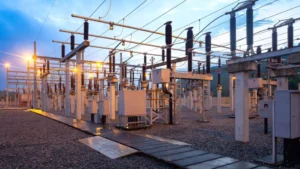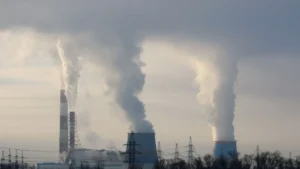
The Danube drought it forced Romania to carry out a controlled explosion to redirect water towards the Cernavoda nuclear power plant while Hungary bought time to keep the Paks plant operational.
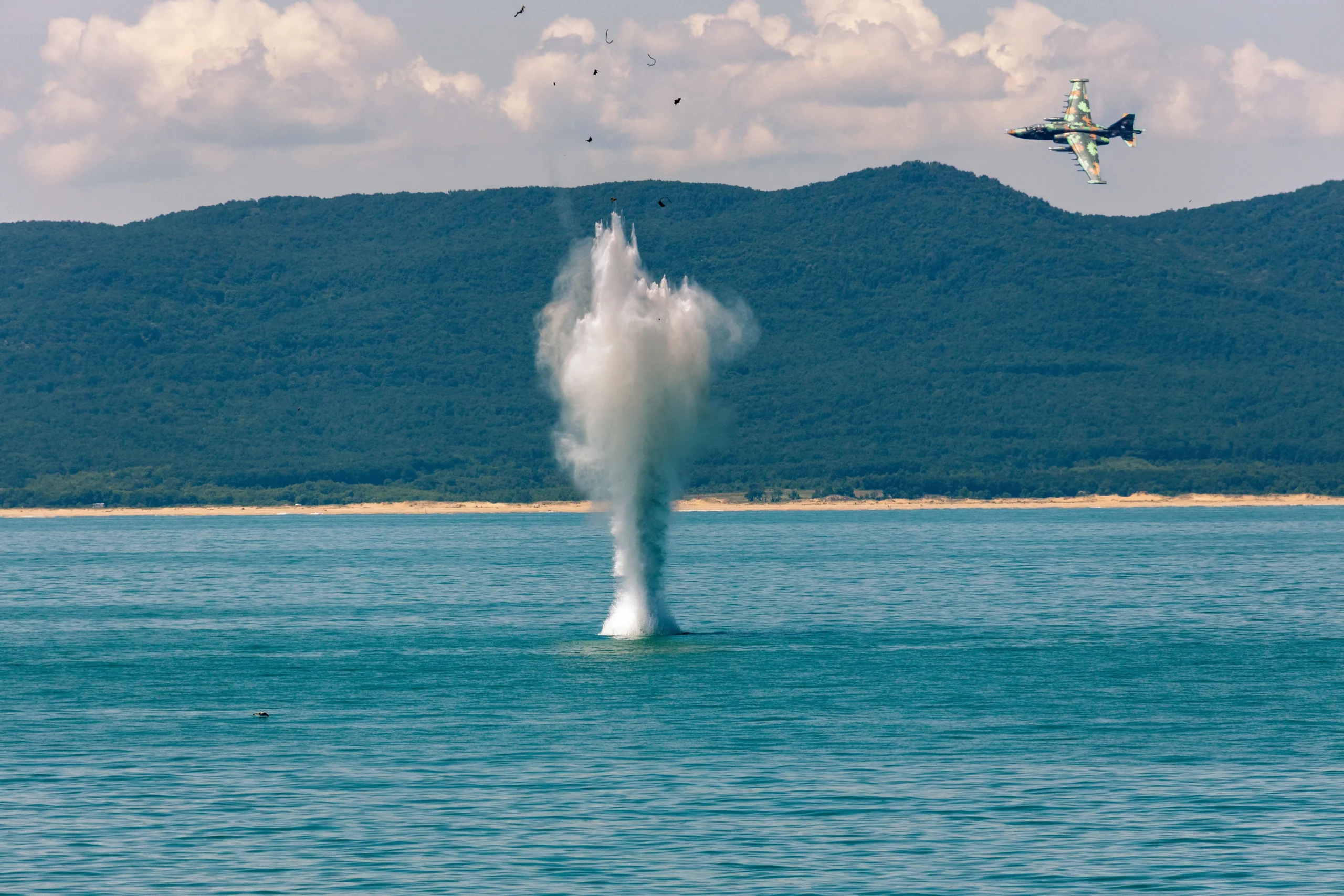
Romanian authorities demolished a rocky outcrop in the riverbed to facilitate the construction of a temporary barrier. The structure will allow a greater volume of water to be channeled to the intake area used by the reactor that remains operational.
The operation reflects the pressure that the low flow of the Danube exerts on the Central European electricity generation Romania and Hungary rely on the river to cool their nuclear power plants, and both have reduced their output due to water shortages.
The Danube drought puts the Cernavodă reactor at risk
The Cernavodă nuclear power plant covers about one-fifth of the Romania’s electricity demand under normal conditions. However, one of its two reactors was shut down after the Danube’s water level dropped to critical levels.
Faced with the risk of losing the second vessel as well, the Romanian Navy carried out a controlled underwater explosion. The objective was to clear the way for the construction of a temporary dam capable of diverting some of the river’s flow back to its original course.
The hydraulic works should allow more water to reach the plant’s cooling system; authorities believe that each additional day of operation provides an economic and operational benefit that outweighs the cost of the intervention.
Likewise, the measure reduces the risk of increased dependence on electricity imports during a heat wave that has boosted consumption in homes, businesses, and public facilities.
Low flow limits nuclear power generation
The nuclear power plants they require large volumes of water to remove the heat generated during operation. When the river level drops, the pumps may lose their pumping capacity or receive water at too high a temperature.
This situation forces a reduction in reactor power and may lead to a preventative shutdown, in Cernavodă, the lack of flow has already caused the disconnection of one unit and left the second under operational monitoring.
The problem also affects Hungary, the Paks nuclear power plant with an approximate capacity of 2 gigawatts, it was operating at just over 10% of its power while the Danube remained at historic lows.
Paks usually supplies a substantial portion of the electricity consumed in the country; its reduction forced the Hungarian electricity system to seek additional energy on the regional market at a time of high prices and strong demand.
Hungary gets temporary relief in Paks
Hungarian authorities had warned that the plant could be completely taken out of service; however, the last operational turbine managed to extend its operation for at least one or two additional days.
That margin made it possible to avoid an immediate shutdown on one of the days with the highest electricity consumption; however, the continuity of the plant depends on the evolution of the Danube level and the temperature of the water available for cooling.
The Hungarian government also requested voluntary consumption cuts from households and businesses; the response helped reduce demand by several hundred megawatts and ease pressure on the grid.
The pharmaceutical company Richter announced a decrease of more than 50% in its electricity consumption over three weeks. The company also offered energy from its solar farm to supplement the supply.
Romania reduces industrial demand
In Romania, the Dacia and Ford automotive plants temporarily suspended production until August 19, the measure allowed for a reduction of approximately 200 megawatts in electricity demand.
The government is also evaluating adjustments to industrial hours and new energy-saving measures; these actions seek to compensate for the reduced operating hours, nuclear production and avoid supply interruptions.
The Danube drought has made water availability a critical factor for regional energy security, in addition to impacting nuclear power generation, the river’s low water level restricts navigation, reduces hydroelectric production, and increases competition for water resources.
The intervention in Romania offers a temporary solution; its effectiveness will depend on whether the temporary barrier manages to maintain sufficient flow in Cernavodă while high temperatures and the absence of rain persist.
Source: Reuters
Photo: Shutterstock