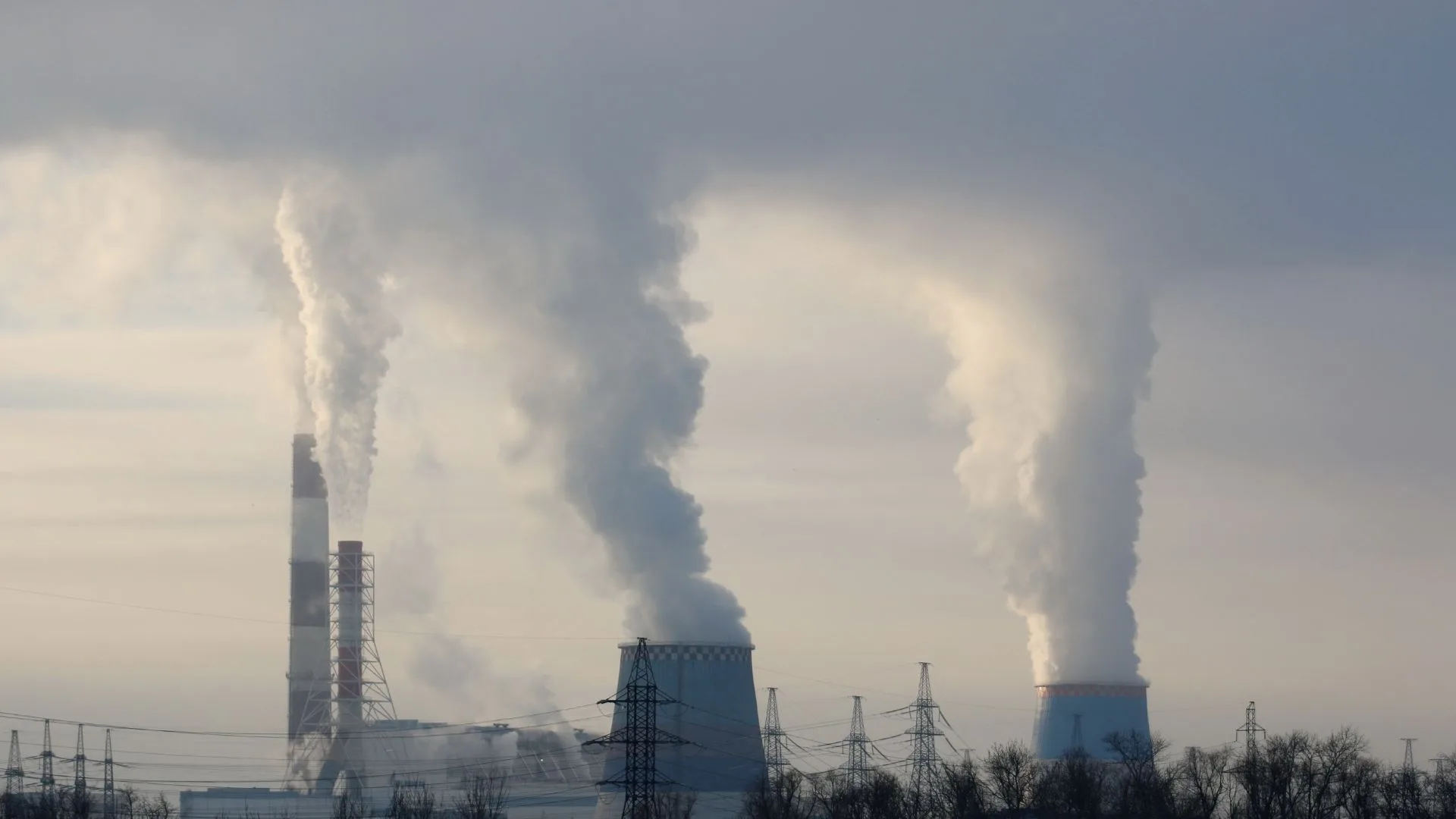
A prolonged heatwave linked to the El Niño weather phenomenon has pushed electricity consumption to near-record levels of 270.70 gigawatts reached in May, primarily drawing from coal reserves.
Energy Supply Crisis Due to High Temperatures
According to data formalized by the Central Electricity Authority, a total of 59 thermal facilities reported inventories at alert thresholds as of September 9, an increase from the 45 recorded at the end of August. In this context, affected plants have sufficient volume to generate power for less than three days or hold less than 25% of their standard storage requirement.
Renewable sources meet a significant portion of daytime consumption, but the lack of battery storage systems restricts their nighttime utilization. Similarly, reduced water accumulation in reservoirs limits the performance of hydroelectric facilities, shifting the operational load directly to coal-based generation. In this regard, analysts from the Centre for Research on Energy and Clean Air indicate that the sustained deterioration in fuel reserves constitutes a critical vulnerability for the stability of the national electricity system.
Logistics Measures and Coal Reserves
To address this contingency, the central government intensified railway logistics by allocating 444 daily trains for transporting coal to power plants. Concurrently, the public company Coal India increased land-based deliveries, maintaining a buffer inventory at the mine mouth equivalent to 76 million metric tons. Ultimately, supply continuity will depend on distribution agility, the evolution of residential sector consumption, and climatic conditions in the coming weeks.
Source: The Economic Times
Photo: Shutterstock