Table of Contents
Oil loses ground to electrification
Electric vehicles are one of the main drivers of this transformation.
During the first half of 2026, the Chinese electric fleet avoided the consumption of approximately 36 million tons of oil, according to CREA’s analysis. During the second quarter alone, the displaced volume reached about 19 million tons, about 50% more than a year earlier.
The use of alternative fuels in road transport increased by around 90% year-on-year during January-June, driven largely by the expansion of electric trucks.
This matters because electrifying a car reduces gasoline demand, but truck electrification is starting to directly attack one of the largest diesel markets.
Electric trucks change the diesel equation
For years, one of the arguments against the electrification of heavy transport was the difficulty of replacing vehicles subjected to heavy loads, long operating hours and high energy demand.
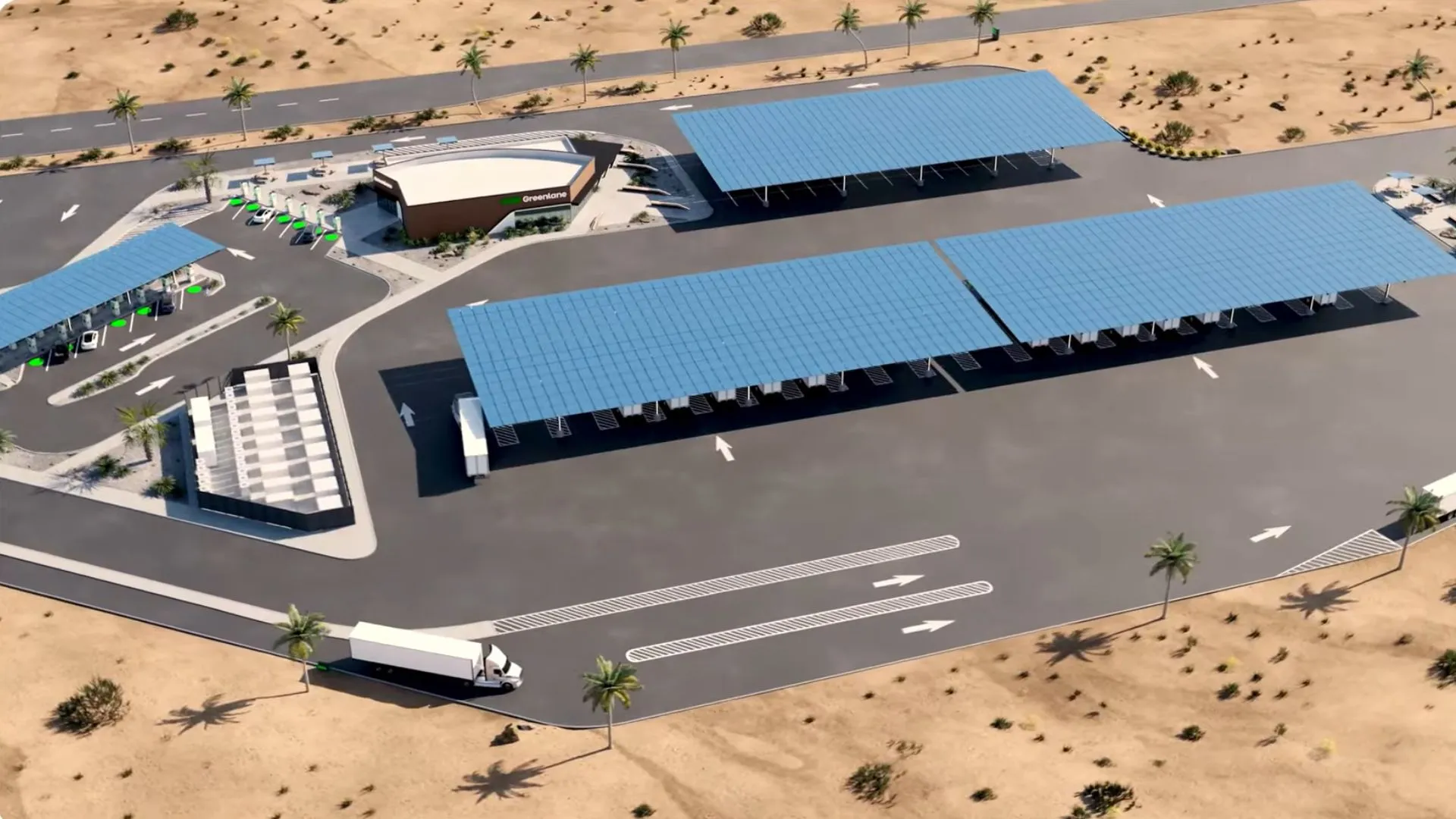
The expansion of electric trucks and battery swapping systems is allowing heavy-duty vehicles to operate on relatively predictable routes and with charging infrastructure adapted to their work cycles.
This introduces a fundamental concept for energy analysis:
Oil substitution does not depend solely on the number of electric vehicles.
An electric truck used intensively can displace much more diesel consumption than a private car used occasionally.
Therefore, the growth of heavy electric transport may have a disproportionate influence on oil demand.
The Hormuz crisis accelerated a trend that already existed
The oil shock associated with the disruption of traffic through the Strait of Hormuz added economic pressure to this transformation.
High crude oil prices make electrification more attractive to consumers and industrial operators, especially when the electricity used to move a vehicle or machine can offer a more stable operating cost than liquid fuel.
Electrification was already reducing demand for fuels in China before the geopolitical episode.
The EIA estimates that China reduced its crude imports by about 32% during the second quarter, to about 8.1 million barrels per day. However, the reduction in imports was much larger than the drop in refinery processing, indicating that the country also used some of its accumulated inventories.
The relevant fact: the transition is not only renewable
China is strongly increasing its solar and wind capacity, but at the same time coal continues to have a high share of electricity generation.
During the second quarter, emissions from the power sector increased by around 3% due to the increased use of coal. Part of the problem is related to the inability of the grid and the electricity market to absorb all the available renewable generation: a part of wind and solar production was not fully utilized. This reveals a fundamental technical issue.
Decarbonising transport is not just about installing chargers and manufacturing batteries.
As a result, the electrification of transport is creating a second energy battle: who can produce and manage the electricity needed to replace oil.
The impact reaches oil producers
China continues to be the world’s largest importer of crude oil. Therefore, any structural reduction in its demand has consequences for producers, refiners, transporters and international markets.
If the trend continues, oil producers will have to compete for a Chinese market that could require progressively fewer barrels to carry out the same amount of transportation and economic activity.
Expensive oil can benefit producers over a certain period, but it can also accelerate precisely the technologies that reduce their future demand.
The high price generates revenue today, but it can accelerate replacement tomorrow.
SOURCE and PHOTO: https://oilprice.com/