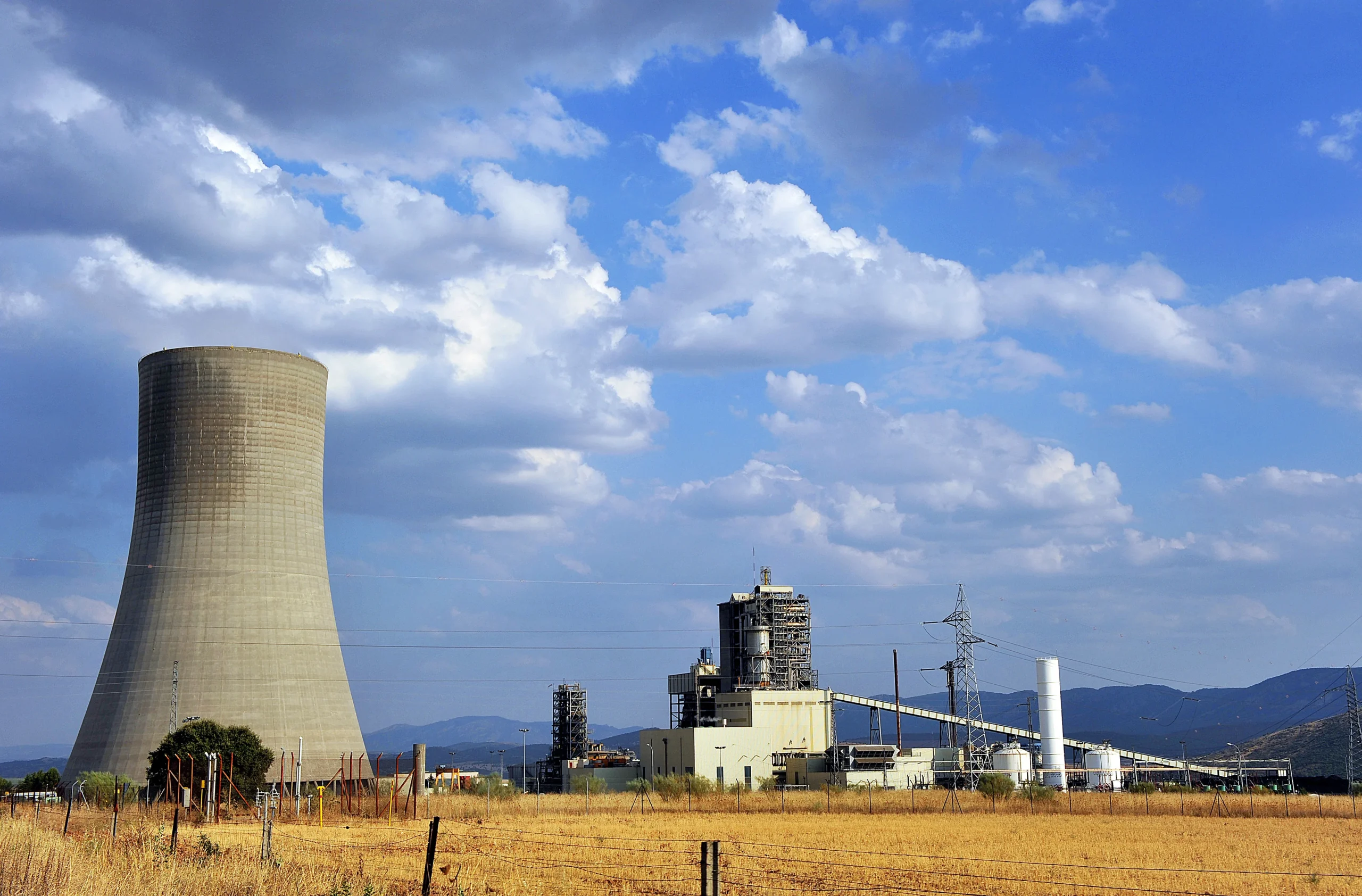
In a context marked by global energy instability, China has decided to reactivate the Fuxin coal gasification project, which had been suspended for more than a decade. The decision is in direct response to disruptions in natural gas supply caused by geopolitical conflicts in the Middle East.
The Asian country is seeking to reduce its dependence on energy imports at a time when critical infrastructure in producing regions has been damaged, affecting the balance of the international market.
The history of the Fuxin project
This megaproject, located in the city of Fuxin, in Liaoning province (northeast China), has a long and complicated history:
- It began in 2011 with an estimated investment of $3.7 billion (about 25 billion yuan), financed by the state-owned China Datang Corporation.
- In 2014, just three years later, the project came to a complete standstill. The reasons were a combination of:
- Technical and logistical problems: It was very complex to build and operate.
- High costs and environmental concerns: The process is expensive and very polluting, something that went against the green policies of the time.
- Unfavorable market: At that time, importing natural gas from abroad was cheaper and easier than producing it in this way.. It had been idle for more than a decade.
Why is it being reactivated now?
Mainly because of two major factors:
- The war in the Middle East has cut off gas supplies: This is the main trigger. The conflict between the United States, Israel and Iran has had two devastating effects:
- Blockade of the Strait of Hormuz
- Damage to infrastructure.
- China has a coal surplus: At the same time, China has more coal than it can use and its price is low. Converting that cheap coal into gas is starting to make economic sense to make up for the lack of imported gas.
Basically, the war made gas supplies from abroad more expensive and insecure, while China has its own cheap coal. This new equation makes the once unfeasible project a strategic necessity.
Part of a larger national strategy
According to consultancy OilChem, there are currently 13 coal-to-gas projects under construction or in planning across China apart from the Fuxin project. If all of these projects are completed in the next five years, it is expected that:
- China’s syngas production will increase almost sevenfold.
- Reach a volume of more than 52 billion cubic meters per year, which would cover approximately 12% of the country’s entire gas supply.
To put it in perspective, all this new syngas China plans to produce would barely equal what Qatar was supplying it in a single year before the war (28 billion cubic meters in 2025).
Safety vs. sustainability
The reactivation of these coal-to-gas projects is a pragmatic decision by Beijing, which prioritizes energy security over environmental commitments at a time of high geopolitical tension. China is turning to its own coal reserves to hedge against storms in global energy markets.
This decision is controversial because it comes at the same time that China is positioning itself as the world’s largest investor in renewables. It is estimated that by 2026, China will commission 85 of the 104 new coal-fired power generation units worldwide, showing that, for now, coal reliability still outweighs the race for a cleaner future.
Source: Oilprice