Table of Contents
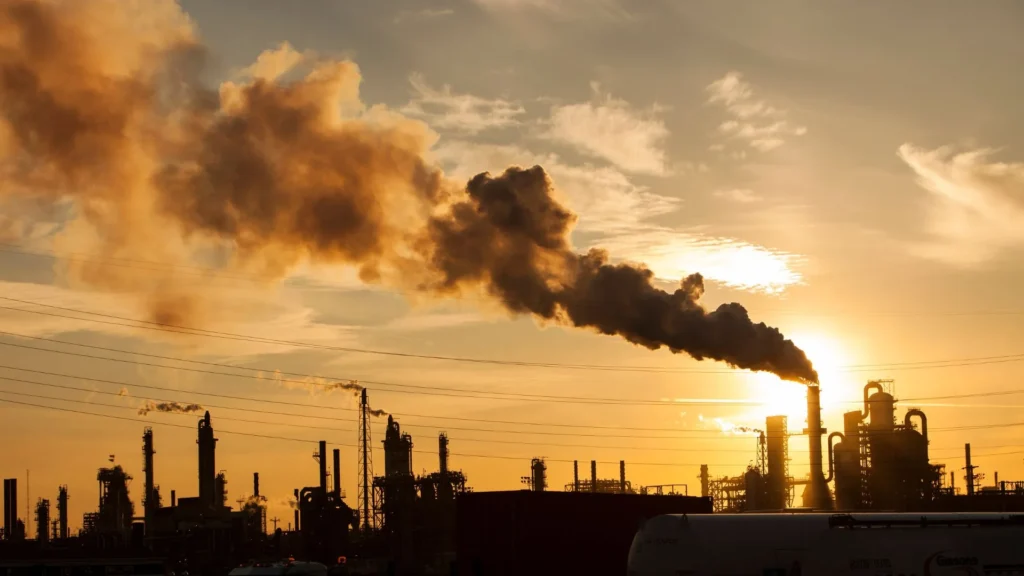
According to data published by the United Nations Environment Programme (UNEP), the International Methane Emissions Observatory (IMEO) has optimized satellite information processing using low-power computing tools. Through the Methane Alert and Response System (MARS), the organization identifies critical leaks in industrial infrastructure and directly notifies responsible governments.
Technological Innovation for Methane Emissions Detection
The implementation of automated processing has enabled responses to over 40 massive pollution events globally. Preliminary analyses indicate that the mitigated volume thanks to these interventions reaches 1.2 million tons of methane, an atmospheric impact comparable to removing nearly 24 million gasoline-powered cars from circulation.
The orbital monitoring network receives continuous information from over 30 international satellites. Faced with this uninterrupted flow of measurements, analytical models based on machine learning process between 12 and 15 times more data than manual supervision methods.
Consequently, the algorithms developed by the institution pre-identify between 80% and 85% of confirmed emission sources before submitting them for human validation. IMEO experts maintain independent verification of each report to ensure the rigor of official notifications issued.
Likewise, the computing infrastructure applied in this project stands out for its low computational power requirements. The software designers prioritized lightweight models to prevent environmental monitoring from generating excessive energy consumption during massive information processing.
Consequently, UNEP has initiated the deployment of this technology to additional productive sectors such as coal mining and solid waste management. Previously focused on the oil and natural gas industry, the operational framework seeks to cover all anthropogenic sources with high polluting potential.
Similarly, the immediate reduction of methane represents an operational priority because its thermal retention capacity is 80 times higher than that of carbon dioxide over 20-year horizons. Given that its atmospheric permanence is limited to a decade, direct mitigation actions allow for slowing the pace of global warming in the short term.
As a result, the international entity has decided to release the system’s source code and databases for public use by the scientific community. This measure facilitates governmental bodies and independent researchers using the technology to accelerate informed environmental decision-making.
Source and photo: UN