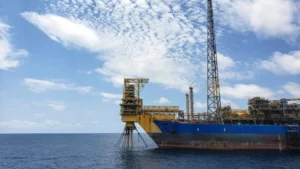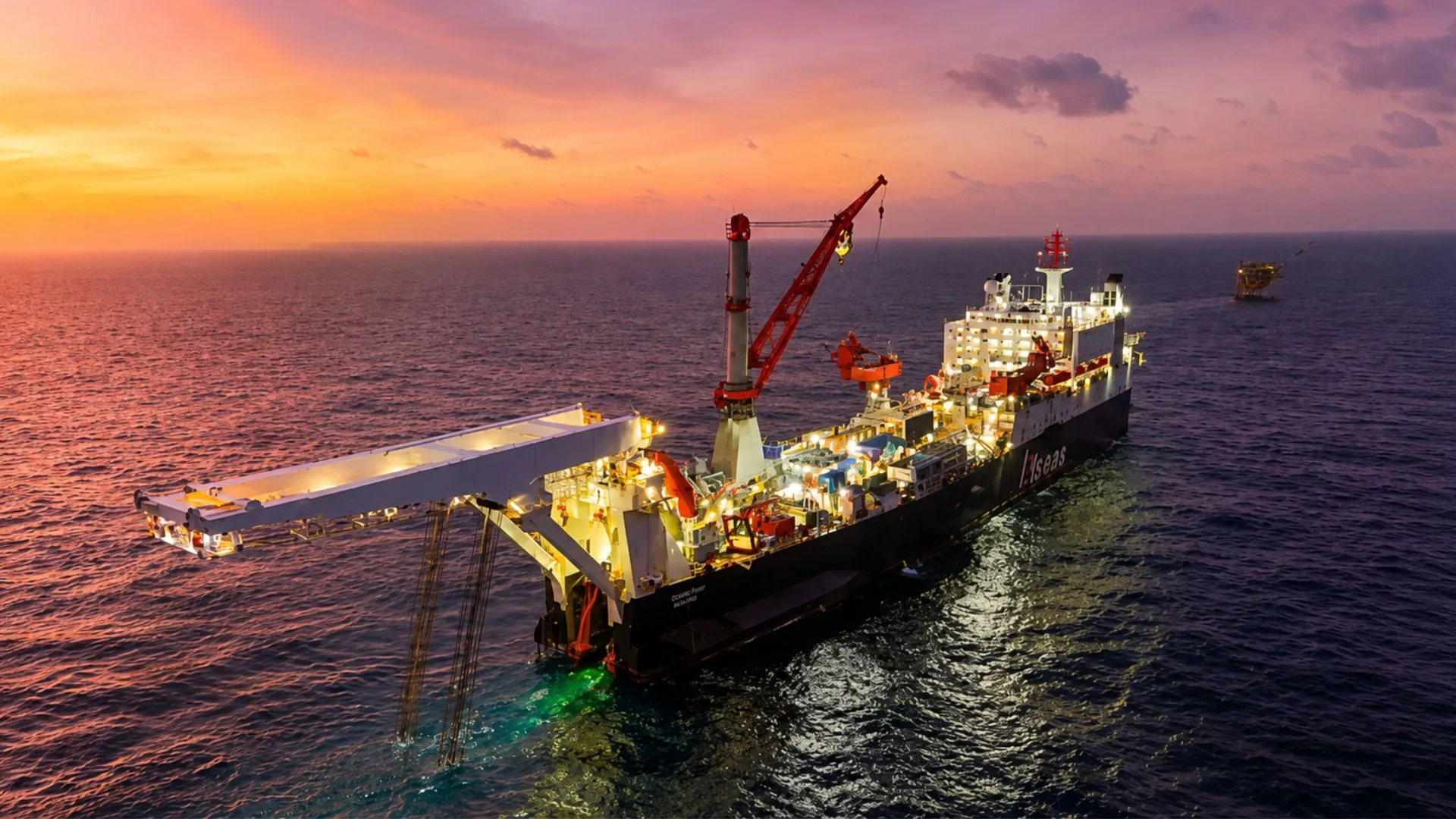
The Solitaire vessel it resumes operations after a ten-month renovation that improves its automation, efficiency, and underwater capacity.
Allseas the Solitaire is preparing to return to commercial operations after completing an extensive modernization in Rotterdam. The program upgraded the vessel’s main systems and strengthened its ability to install subsea pipelines in highly complex projects.
The vessel is 397 meters long and has been operating since 1998, for nearly three decades, it has participated in offshore installation campaigns in various energy markets. Its refurbishment aims to extend that trajectory through more efficient equipment and processes with a higher level of automation.
The Solitaire vessel incorporates new operating systems
The work encompassed propulsion, power generation, and control systems, and also included improvements in the capacity of hybrid energy and in the equipment used to handle, track and process pipes.
In addition, Allseas renovated areas related to welding and inspection; these tasks are fundamental during the preparation of each section before lowering it to the seabed.
Likewise, the program included structural changes and an upgrade of the double-joint plant; this facility connects two sections of pipe before incorporating them into the ship’s main production line.
The modernization will allow for the collection of more data during operations and improved control at each stage. With this, the company aims to increase the reliability of the process and reduce disruptions during subsea pipeline laying campaigns.
The double-joint plant exceeds 13,000 kilometers
The previous plant produced its last double joint in September 2025; until then it had processed pipes for more than 13,000 kilometers of underwater infrastructure.
That production is equivalent to more than half a million double joints; the figure reflects the workload accumulated by the Solitaire since it entered service.
To Allseas the renovation represents a strategic investment in one of its main assets; the new configuration will allow for a more automated installation process supported by real-time operational information.
The company also expects to improve the ship’s energy performance; modernizing the propulsion and power generation systems can reduce consumption and facilitate more flexible management of the energy available on board.
The Solitaire will operate in ultra-deep waters
After completing its sea trials, the Solitaire will resume operations in the Gulf of Mexico; its first assignment will be a ultra-deepwater pipeline project.
After that, the ship will begin a two-year global campaign; the program includes work in West Africa, Taiwan, and Australia.
During that period, Allseas plans to install more than 1,250 kilometers of pipeline; the campaign will test the ship’s new systems in regions with different technical and environmental conditions.
The return of the Solitaire expands Allseas’ capacity to serve large-scale underwater projects it also strengthens its image in a market where precision, operational continuity and data control are decisive factors.
Source: Offshore energy
Photo: Allseas via LinkedIn