Table of Contents
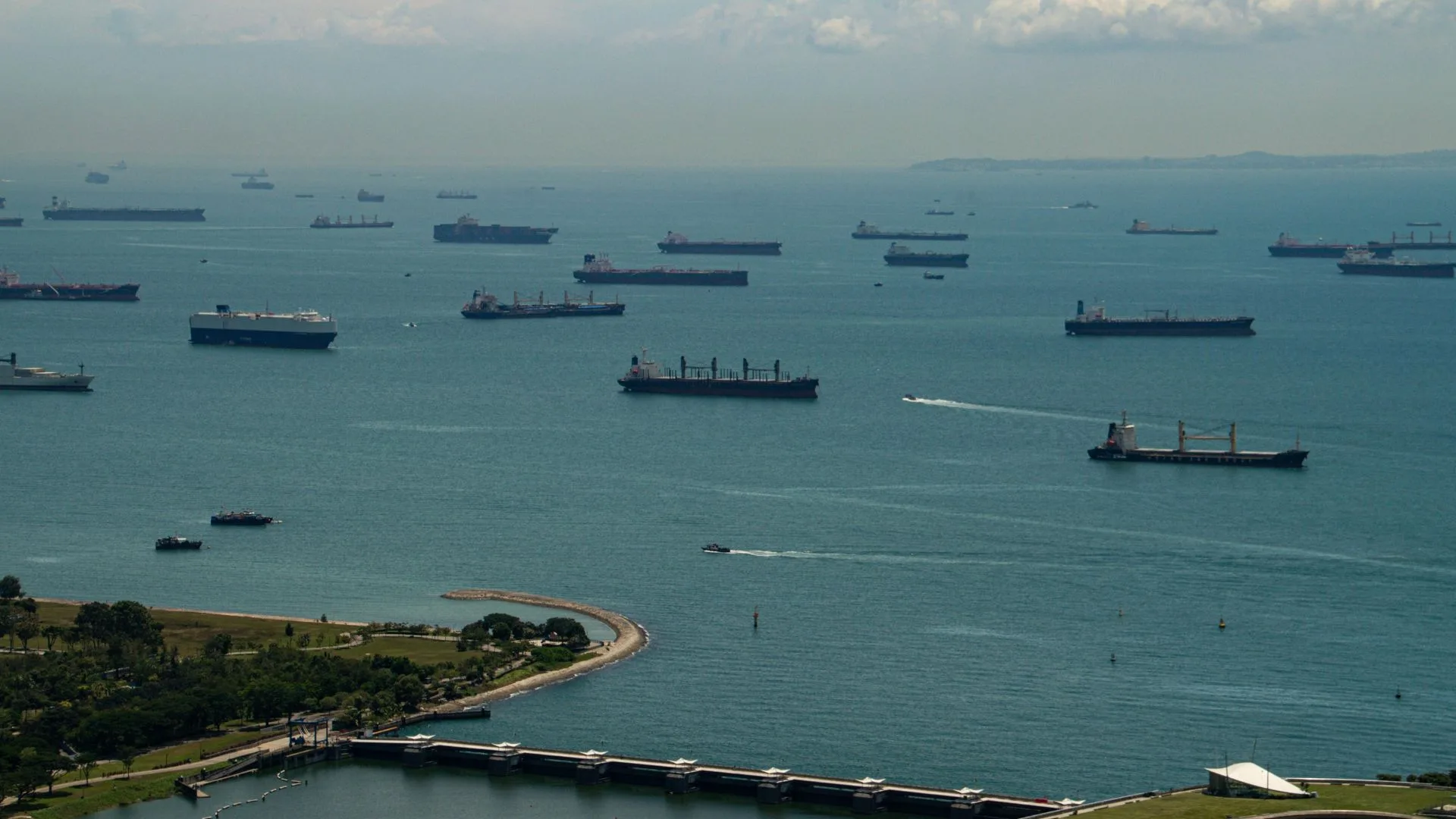
In recent days, the transport of raw materials through the Strait of Hormuz has fallen to single-digit daily figures. According to naval tracking data compiled by Reuters, only 14 cargo vessels crossed this strategic waterway over the weekend. This contrasts with the usual average recorded over 10-day periods. Likewise, departures of vessels from the Persian Gulf fell to four units, including a single Suezmax-class tanker loaded with crude and condensates.
The sharp reduction in maritime traffic in the Strait of Hormuz
The remaining recorded vessels were 10 cargo ships focused on importing bulk products, dry cargo, and metals. However, operational measurements exclude ships that have intentionally switched off their global positioning systems. This tactical maneuver reflects the need to prevent armed attacks or avoid being located by hostile forces in the conflict zone.
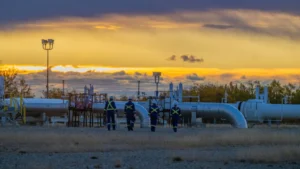
The vulnerability of Middle East export routes has increased following the operational disruption of the East-West pipeline in Saudi Arabia. This pipeline made it possible to move crude to the port of Yanbu on the Red Sea, bypassing the mandatory passage through the Strait of Hormuz. Saudi authorities confirmed that the shutdown is a preventive measure prompted by a drone attack carried out from Iraqi territory, in areas geographically close to the border with Iran.
Against this backdrop, energy exporters and shipowners have stepped up maritime security measures. The escalation of direct attacks on tankers adds to repeated threats by Houthi militias in the Red Sea. These acts of war targeting the region’s energy logistics have blocked the most efficient land and sea alternatives for transporting hydrocarbons.
As a result, rising geopolitical tensions and the restriction of crude volumes in circulation triggered an immediate reaction in international financial markets. In the early hours of the trading day in Asia, Brent crude rose to $108 a barrel. At the same time, the U.S. benchmark West Texas Intermediate (WTI) posted a substantial increase to $103 a barrel.
In this context, the combination of the partial blockage of the Strait of Hormuz and the inoperability of alternative land routes places the global oil industry in a period of severe volatility. Continuous monitoring of energy shipments will determine the stability of crude oil prices, gas, and refined products over the coming weeks.
Source: OilPrice