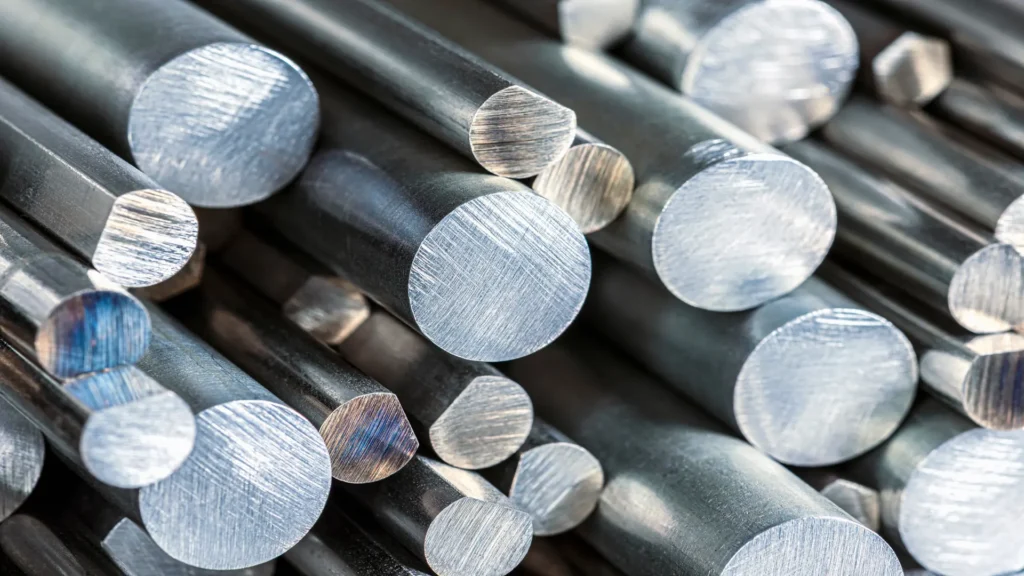
Mild steel: Properties, metallurgy, and industry standards
Mild steel combines metallurgy, weldability, and standards to ensure the selection of reliable materials for modern industrial manufacturing and pipelines.

Mechanical Engineer with experience in the oil and gas sector, has technical skills in static equipment inspection, project control, development of work scopes and quality assurance. Contributes to the exchange of knowledge and best practices by writing technical articles related to the energy sector.
Mild steel combines metallurgy, weldability, and standards to ensure the selection of reliable materials for modern industrial manufacturing and pipelines.
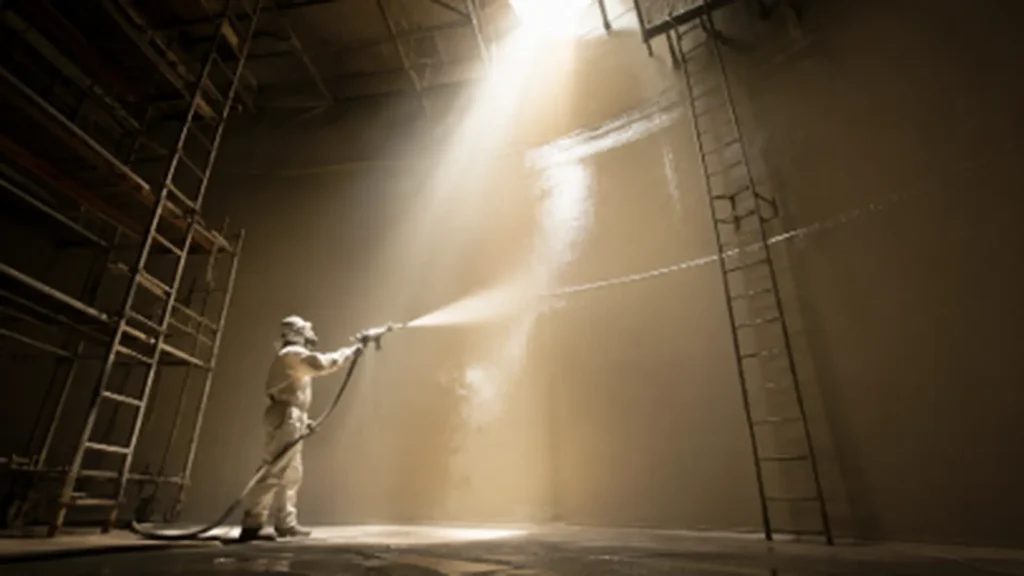
The internal lining of tanks protects their structural integrity when properly selected based on service conditions, immersion, temperature, and corrosion.
API 2610 provides guidance for the management of terminals and storage tank facilities to strengthen safety, integrity, and environmental control.

Digital twins optimize manufacturing, predictive maintenance, and industrial decisions through data, simulation, and virtual models.

Chloride corrosion shortens the service life of reinforced concrete; monitoring, coatings, and technical repairs can help control it.

Autonomous mining requires stable networks, low latency, and remote operation to improve safety and efficiency in mines.
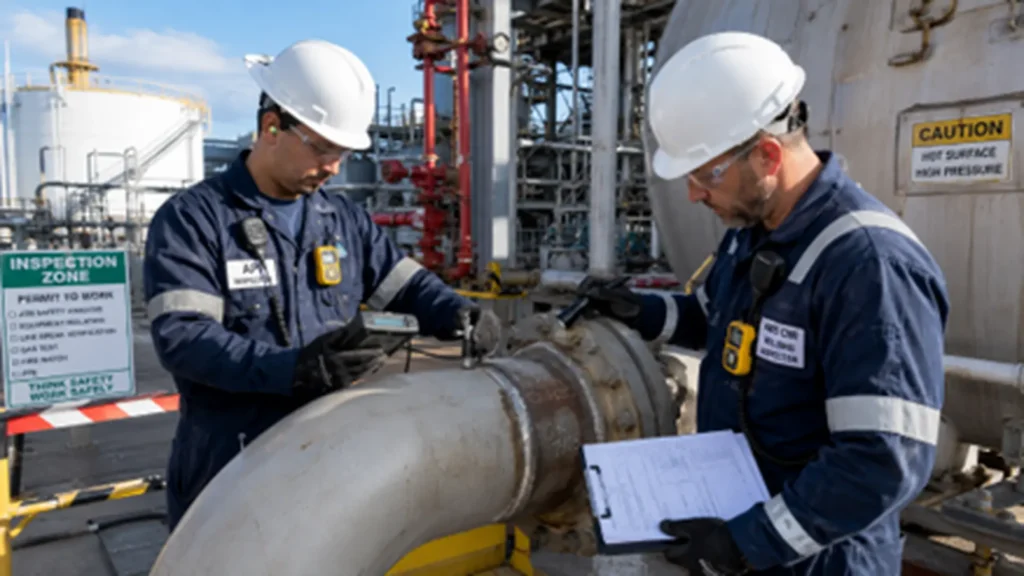
API and AWS Inspectors inspectors enhance industrial safety by preventing failures, validating repairs, and ensuring regulatory compliance.
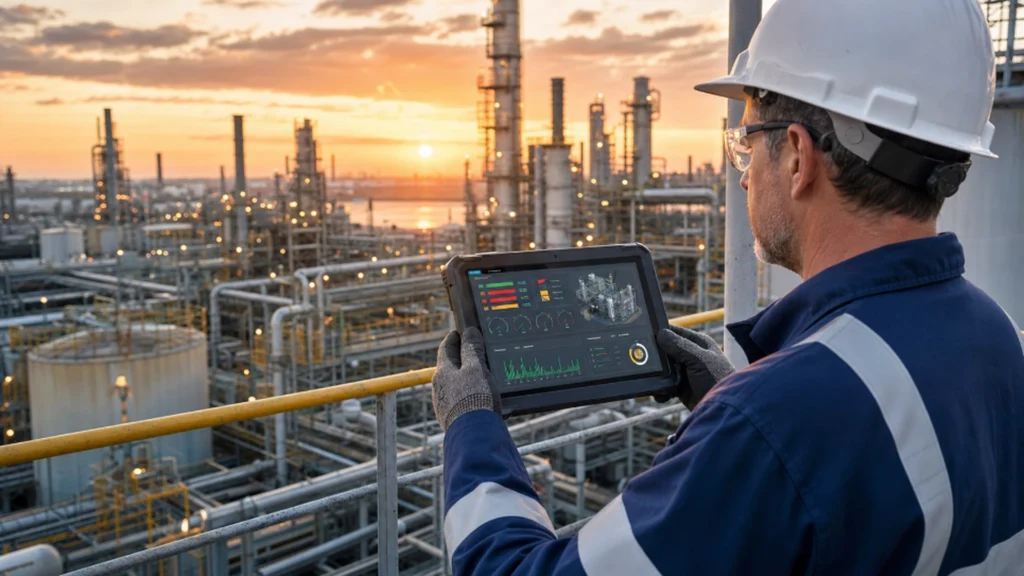
Process safety integrates safety barriers, risk management, and operational discipline to prevent major accidents at industrial plants.
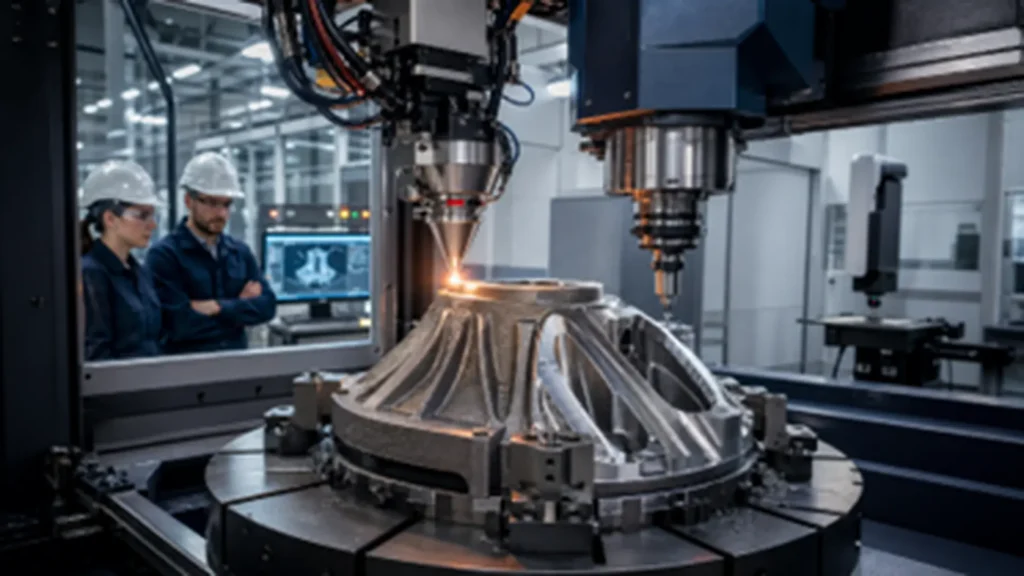
Hybrid manufacturing combines additive manufacturing and subtractive processes within a single production line, with a clear technical goal: to build complex geometries and finish critical surfaces with verifiable…
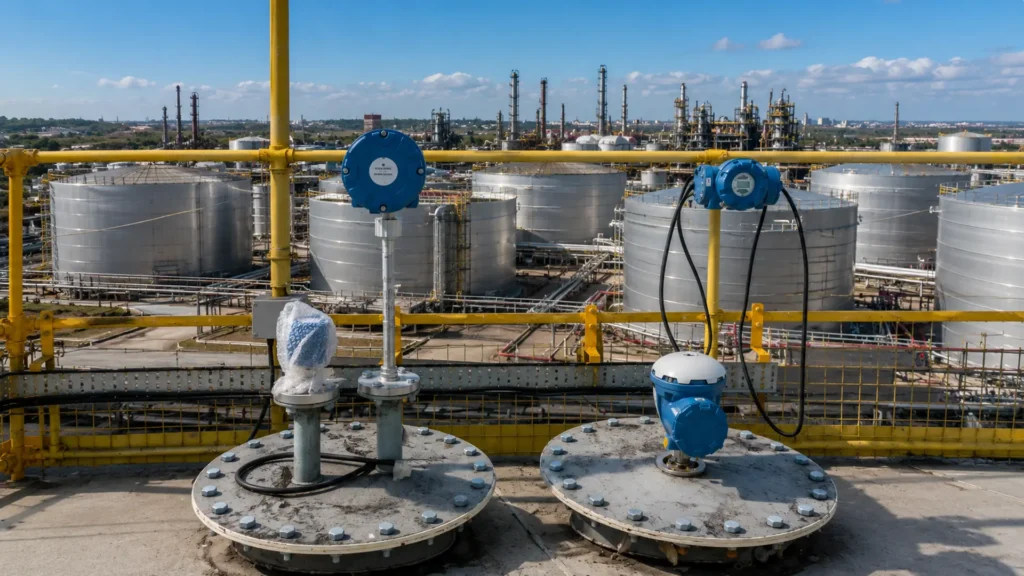
Learn how API 2350 addresses overfill prevention in tanks using LOC, RT, categories, alarms, ATG, and calibrated available capacity.
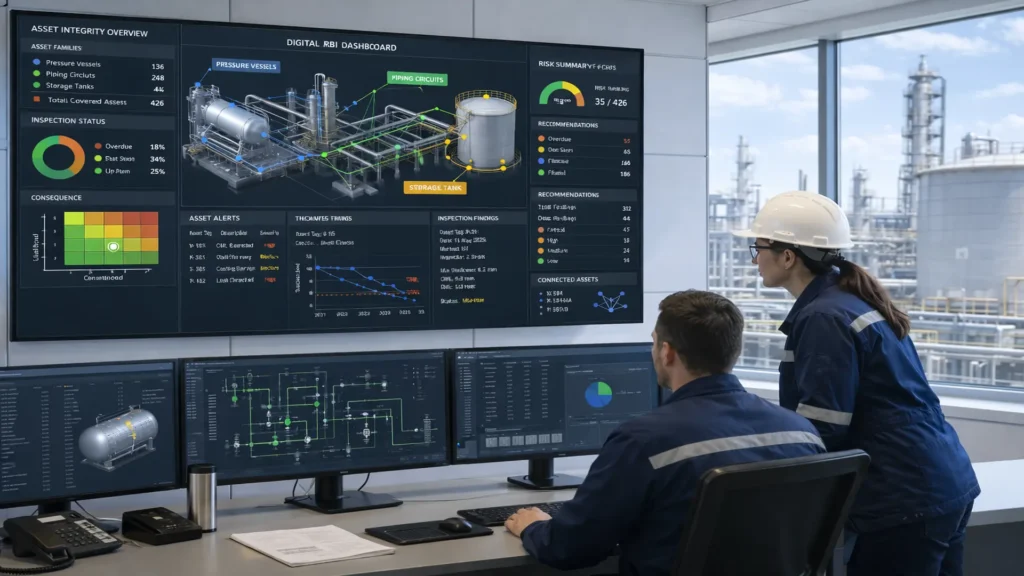
The Digital RBI connects API 510, API 570, API 653, and IDMS to prioritize critical assets based on risk, condition, and verifiable technical evidence.
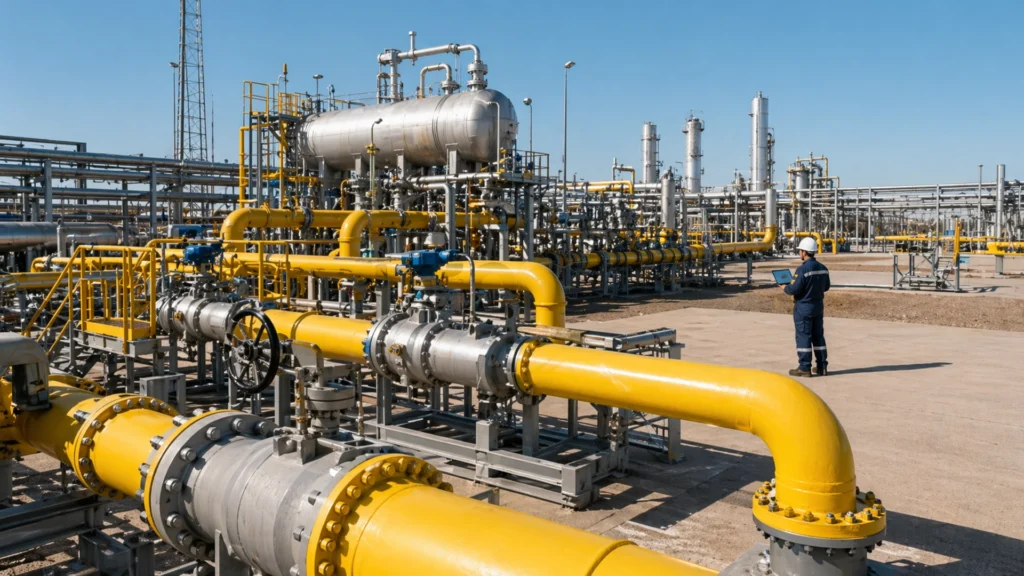
Natural gas systems require reliability strategies that integrate maintenance, inspection, risk management, and mechanical integrity to ensure continuous operation.