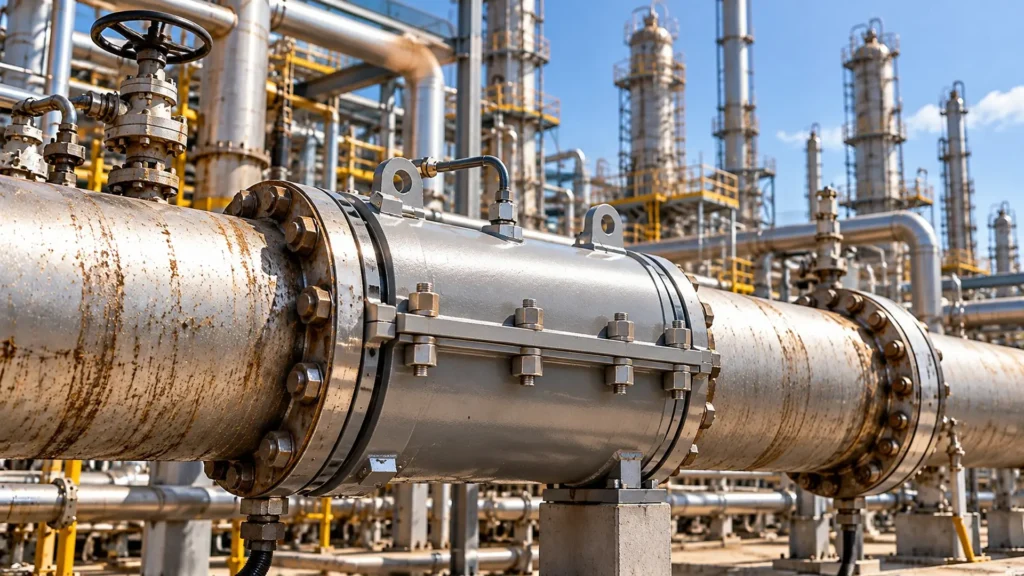
Loss of containment: On-line leak sealing at high pressure and temperature
Assessing a loss of containment in piping and equipment requires understanding the damage, operating conditions, and repair limits before intervening on an asset.
Assessing a loss of containment in piping and equipment requires understanding the damage, operating conditions, and repair limits before intervening on an asset.
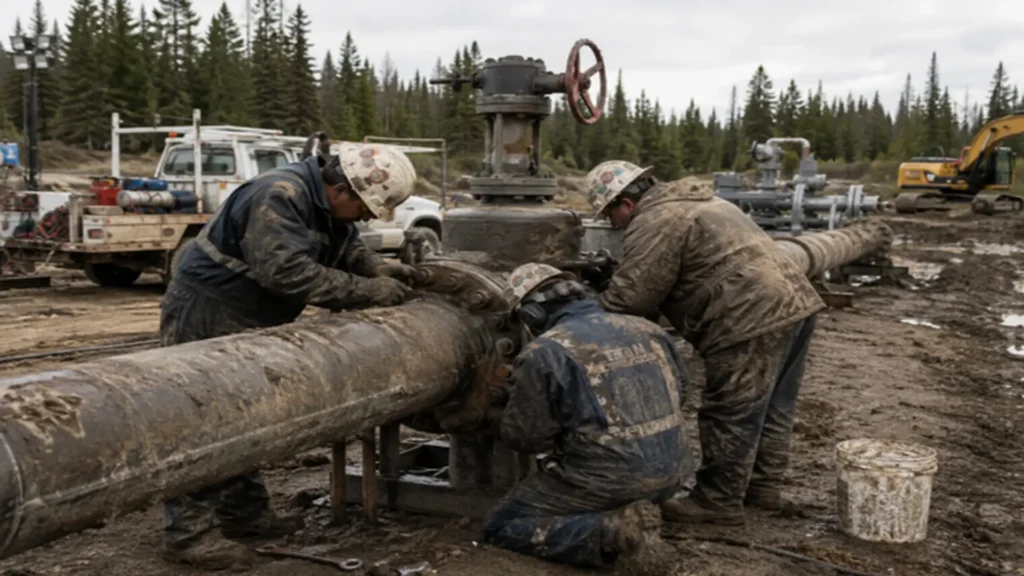
Gas pipeline operation and maintenance requires turning every leak into a root-cause analysis to eliminate recurring failures through traceability and operational follow-up.
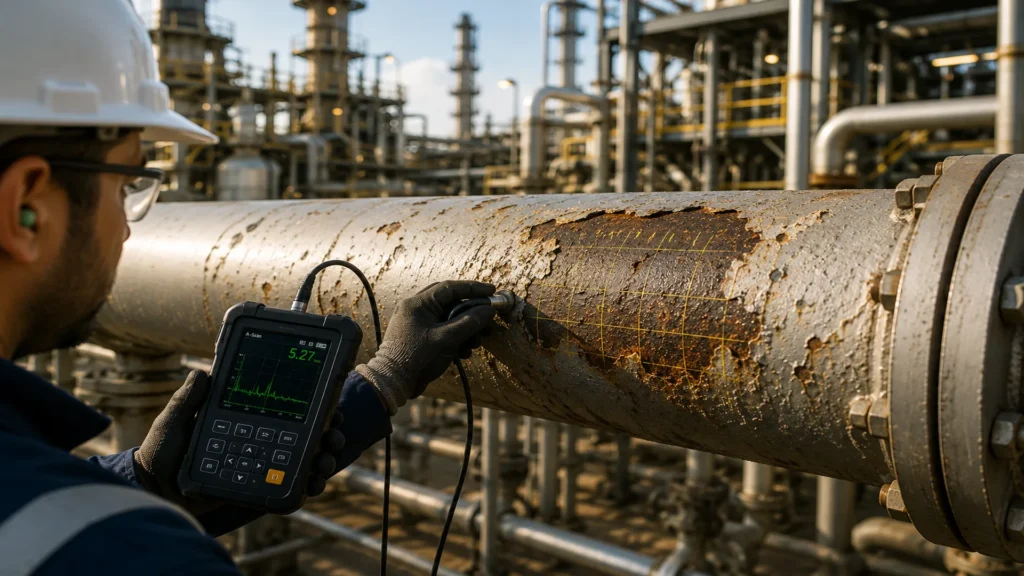
The Exceedance Probability quantifies the risk of failure and prioritizes repairs based on the statistical behavior of each anomaly.
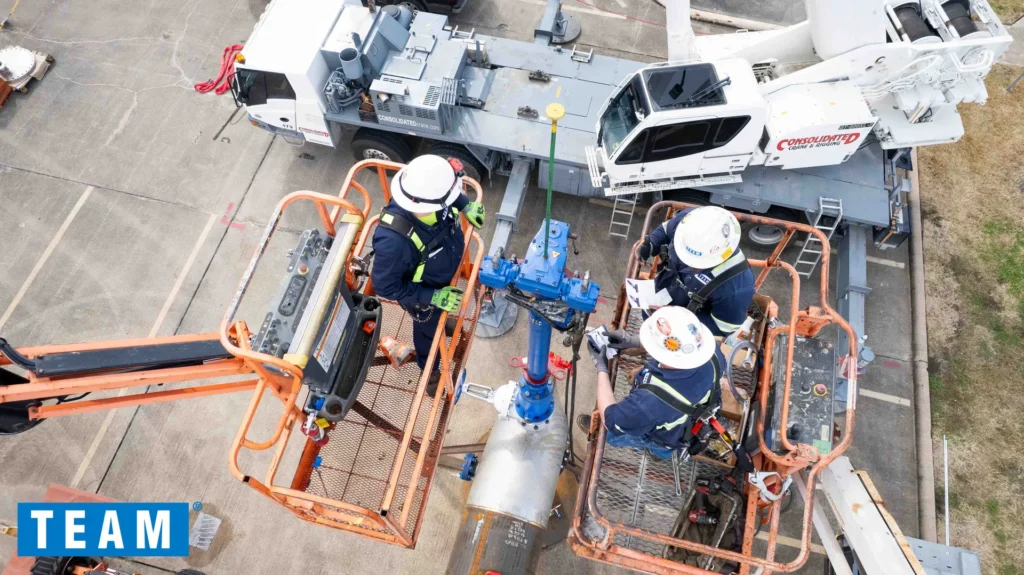
A single fitting enables double block and bleed isolation with integrated monitoring, reducing operational complexity and field risk.
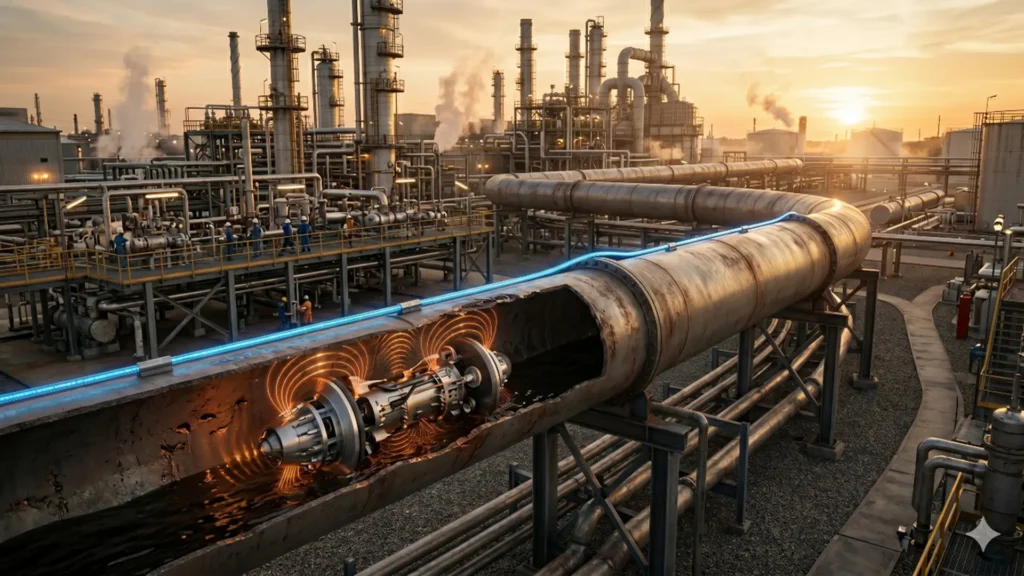
Learn how ILI and fiber optic monitoring improve pipeline integrity, detect anomalies, and reduce operational risk in complex pipeline systems.
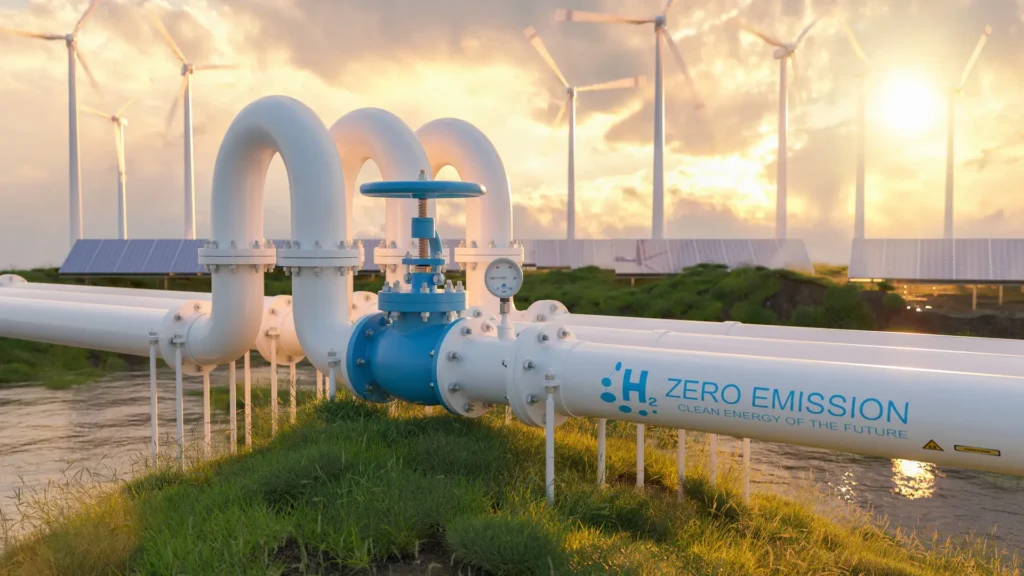
The refurbishment of fossil fuel pipelines for conversion into hydrogen pipelines reduces costs, but requires rigorous assessment of embrittlement, fatigue life, and structural integrity.
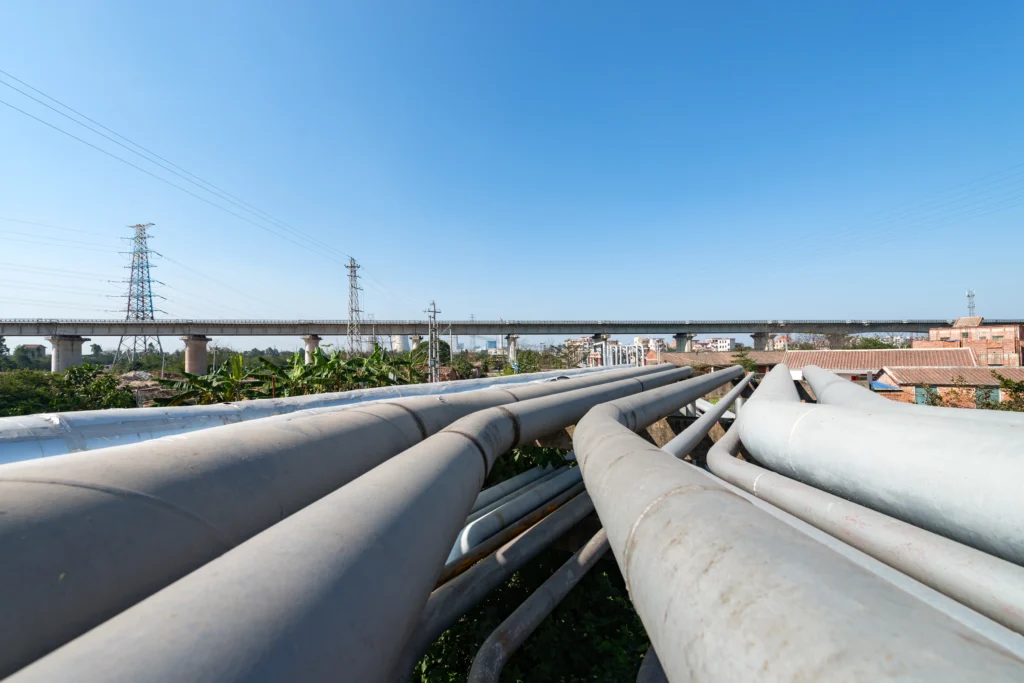
Multidisciplinary engineering and asset integrity are redefining the service life of pipelines and the design of hybrid energy systems.
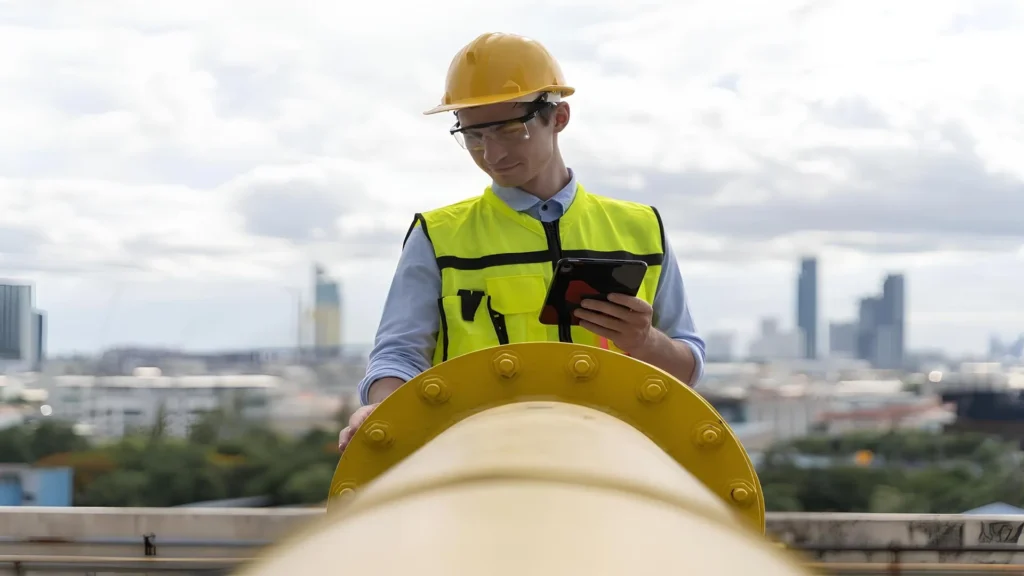
BFJ certification validates competency in bolted flange joint inspection and assembly to enhance safety and reliability.
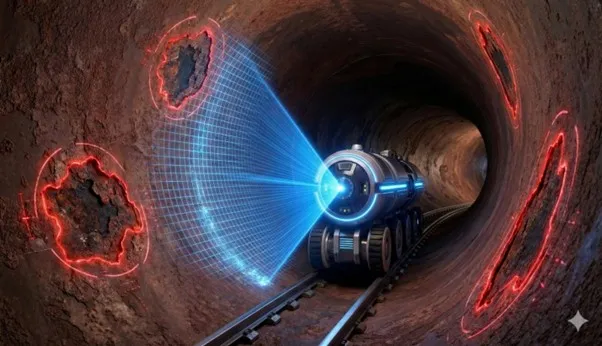
Pipeline integrity evolves with smart inspection technologies that enable accurate, predictive, and reliable diagnostics on industrial assets.
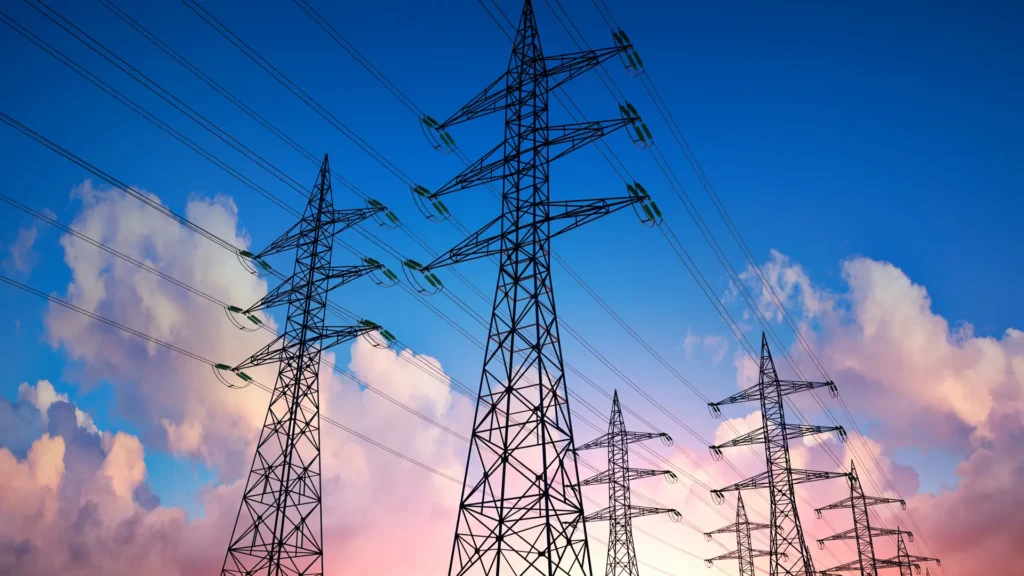
AC interference induced by high-voltage power lines compromises the safety and integrity of cathodically protected pipelines. The use of decouplers allows AC to be drained, DC…