Table of Contents
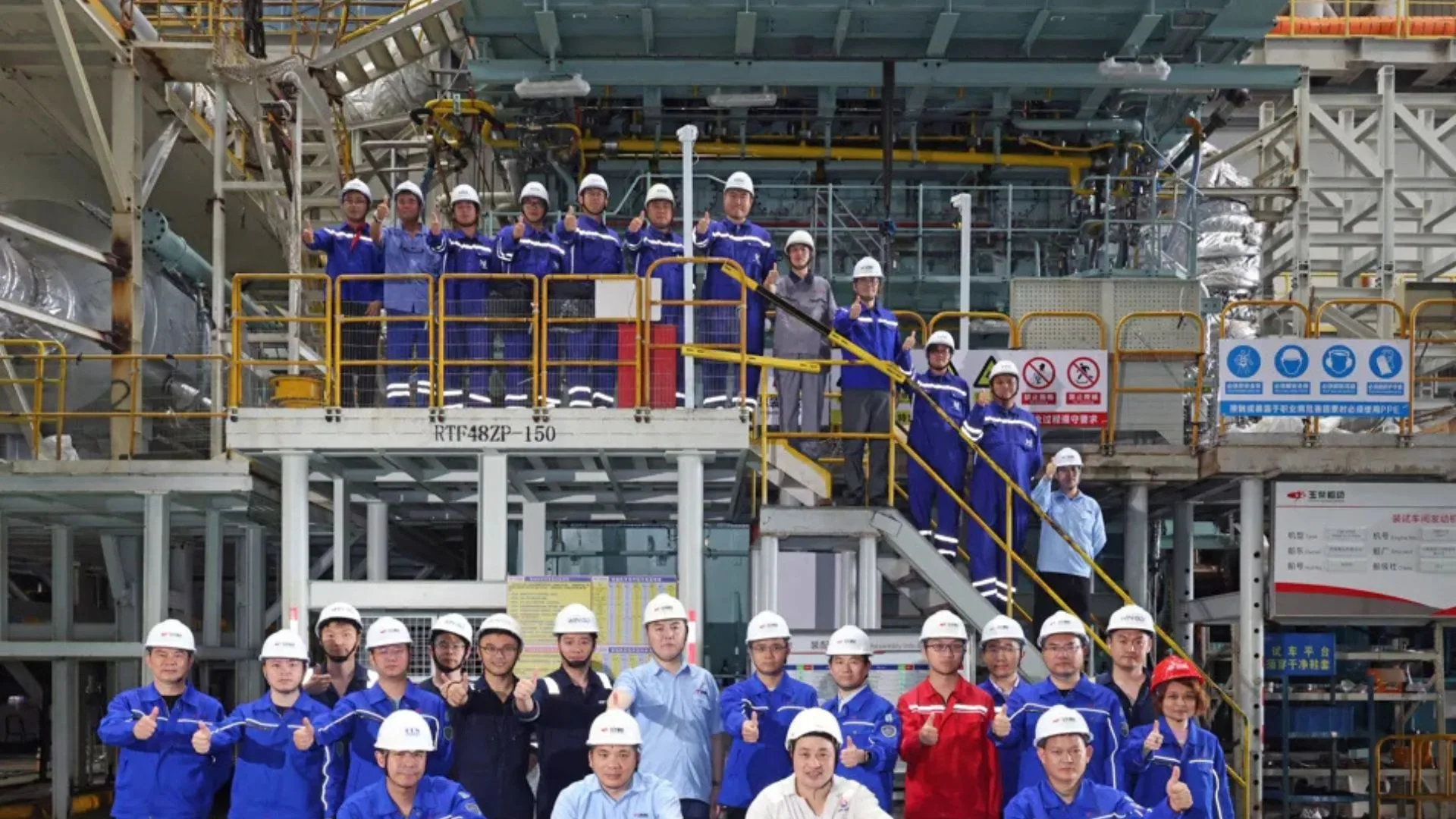
Firstly, the Swiss marine propulsion corporation WinGD performed a new factory acceptance test for its ammonia engine. This technical procedure represents a decisive step forward in the commercial preparation of propulsion systems designed for carbon-free maritime transport.
The model evaluated was the X52DF-A-1.0 engine, developed by manufacturer Yuchai Marine Power, in the presence of the China Classification Society. This evaluation follows the type approval tests previously completed in South Korea.
Integration of the ammonia engine into the commercial fleet
Consequently, the mechanical device will be installed in the first vessel of a series of four liquefied petroleum gas and ammonia carriers belonging to the firm Tianjin Southwest Maritime.
The construction of these vessels is currently underway at the CSSC Huangpu Wenchong Shipbuilding shipyard. Regarding operational performance, the test program conducted on the 52-millimeter diameter cylinder demonstrated remarkable stability in power delivery.
Additionally, emission analyses yielded favorable results for the sector’s sustainability. Nitrogen oxide levels decreased compared to other fuels, while nitrous oxide remained within minimal ranges. Likewise, the engine’s technological platform operates using a high-pressure ammonia injection system that requires only 5% pilot fuel at full load.
For this reason, commercial confidence in ammonia marine propulsion is constantly increasing in international markets. Currently, WinGD’s order book accumulates more than 30 units of the X-DF-A model destined for gas carriers, bulk carriers, tankers, and container ships.
The economic and operational viability of this scalable carbon-free fuel is supported by the development of supply infrastructures, optimized naval design, and international safety regulations.
Source and photo: WinGD